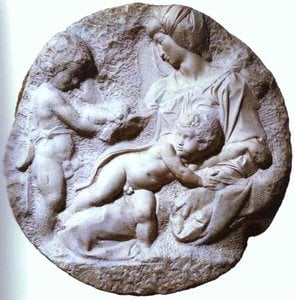
Život a počátky geniálního umělce
Michelangelo Buonarroti, jméno neodmyslitelně spojené s vrcholnou renesancí, se zrodilo 6. března 1475 v malebném toskánském městečku Caprese Michelangelo. Jeho život byl mimořádným spojením talentu, ambic a božského nadání. Ačkoliv jeho otec zpočátku nesouhlasil s uměleckou dráhou, vrozený dar mladého Michelangela k kreslení se ukázal neodolatelným a nastavil mu cestu k přetvoření hranic sochařství, malířství i architektury. První učení u Domenica Ghirlandaia mu poskytlo základy fresky a grafiky, ale skutečné probuzení jeho umělecké duše nastalo v zahradách Mediciů – ráji klasické starověkosti. Pohlcen studiem řeckých a římských soch absorboval principy anatomie, proporcí a idealizované krásy, které se staly základními prvky jeho stylu. Toto formující období nebyl pouhý technický trénink; byla to filozofická ponoření do humanistických ideálů rozkvétajících v renesanci – důraz na lidskou důstojnost a potenciál, který hluboce ovlivnil jeho uměleckou vizi.
Od Pietina smutku k Davidově síle
Michelangelův vzestup ve světě umění byl pozoruhodně rychlý. Již roku 1496 se vydal do Říma, kde obdržel svou první významnou zakázku: sochu *Pietu*. Dokončená v roce 1499 pro kardinála Jeana de Bilhères, tato úchvatná mramorová mistrovská díla – nyní umístěná v bazilice sv. Petra – okamžitě etablovovala Michelangela jako sochaře bezkonkurenčních dovedností a hloubky emocí. Klidná krása a hluboký smutek zachycený v tváři Marie, držící tělo Krista, byly revoluční, demonstrujíc schopnost vdechnout chladnému kameni hluboké lidské city. Tento raný úspěch připravil cestu pro jeho další monumentální dílo: *Davida*. Vytesaný mezi lety 1501 a 1504 z jediného bloku carrarského mramoru, se tato více než pět metrů vysoká socha stala symbolem florentské republikánské ideologie – odvážným ztělesněním síly, odvahy a občanské ctnosti. Anatomická přesnost, dynamické držení těla a psychologická intenzita *Davida* byly bezprecedentní, upevnily Michelangelovu pověst mistra sochaře schopného oživit kámen. Nebyla to jen velikost, která ohromovala; byl to hmatatelný pocit zadržené energie, předtucha akce zmražená v mramoru, která uchvátila diváky tehdy i dnes.
Sixtinská kaple: Boží plátno
Možná nejtrvalejší Michelangelův odkaz spočívá ve zdech Sixtinské kaple. V roce 1508 ho papež Julius II. pověřil malbou stropu kaple – úkol, který pohltil čtyři roky jeho života a navždy změnil běh západního umění. Zpočátku váhavý, považoval se především za sochaře, Michelangelo přesto výzvu přijal a pustil se do monumentálního freskového cyklu zobrazujícího scény ze Genesis. Pracoval v náročných podmínkách, často ležel na zádech celé hodiny, namaloval přes 300 postav s dechberoucí detailností a kompoziční brilancí. *Stvoření Adama*, pravděpodobně nejikoničtější obraz ze stropu kaple, zachycuje božskou jiskru přecházející mezi Bohem a lidstvem – silný symbol stvoření a potenciálu. Kromě tohoto slavného panelu je celý cyklus svědectvím Michelangelovy narativní síly, jeho mistrovství anatomie a schopnosti zprostředkovat složité teologické koncepty prostřednictvím vizuálního vyprávění. Současně zahájil práci na hrobce Julia II. – ambiciózním projektu, který zůstal nedokončený v původní velkoleposti, ale přinesl silné sochy jako *Mojžíše*.
Architektura, manýrismus a trvalý vliv
V pozdějších letech se Michelangelův talent rozšířil i o architekturu. V roce 1520 se stal architektem baziliky sv. Petra v Římě, výrazně změnil původní návrh Bramanteho impozantnějším a strukturálně pevnějším plánem. Tento přechod znamenal posun k manýrismu – stylu charakterizovanému protáhlými tvary, nadsazenými pózami a dramatickými kompozicemi. Tato stylistická evoluce je živě patrná v *Posledním soudu*, namalovaném na oltářní stěně Sixtinské kaple mezi lety 1536 a 1541. Freska zobrazuje Druhý příchod Krista s ohromující dramatičností a emocionální intenzitou, odrážející bouřlivější duchovní klima. Michelangelův vliv přesahoval hranice jeho vlastního života. Hluboce ovlivnil jak hnutí vrcholné renesance, tak manýrismus, inspiroval generace umělců svou anatomickou přesností, dynamickými kompozicemi a hlubokým zkoumáním lidské existence.
Dědictví vytesané do času
Michelangelo zemřel 18. února 1564 v Římě a zanechal po sobě bezkonkurenční dílo, které i nadále uchvátí a inspiruje. Zůstává dominantní postavou dějin umění – archetypálním „renesančním člověkem“ – jehož sochy, malby a architektonické návrhy formovaly naše chápání krásy, síly a lidského potenciálu. Jeho odkaz není jen o uměleckých úspěších; je to svědectví trvalé síly kreativity, oddanosti a neúnavné snahy o dokonalost.
Dokázal, že umění může přesahovat pouhé zobrazení a stát se prostředkem hlubokého duchovního a emocionálního vyjádření. Ozvěny jeho geniality rezonují v muzeích a kostelech po celém světě, zajišťujíc, že Michelangelo Buonarroti bude navždy pamatován jako jeden z největších umělců, kteří kdy žili.
- Vlivy: Klasická starověkosti (řecká a římská sochařství), renesanční humanismus, florentská umělecká tradice (Donatello, Masaccio).
- Klíčová díla: *Pieta*, *David*, fresky stropu Sixtinské kaple (*Stvoření Adama*), *Poslední soud*, Hrobka Julia II.
- Umělecký styl: Zpočátku klasický idealismus, vyvíjející se směrem k dynamickému a expresivnímu manýrismu.



 Náhled
 Koupit ručně malovaný obraz
 Sdílet
 Sdílet
 Podrobnosti o díle

 Stáhnout
 Podobné položky
 Rentgenové snímky
 Slideshow
 Statistiky
 Zobrazit více






































 Skleněná varianta je dostupná pouze u rozměrů menších než 110 cm