


Umělecké dílo zobrazené na této stránce je chráněno autorským zákonem, což znamená, že nemůžeme legálně vytvářet ani prodávat jeho identickou reprodukci. Tato ochrana je vymáhána na základě mezinárodních dohod, jako například Berberská úmluva a národními zákony, včetně těch stanovených v Americký autorský zákon – Díl 17. Všechna práva vyhrazena.
Tato metoda je plně v souladu s autorským právem, protože nezahrnuje kopírování ani duplikování chráněného díla. Jde o kreativní reinterpretaci – nový obraz, který je inspirován originálem, ale není s ním identický.
Giclée nebo plátěný tisk muzeální kvality s rychlou výrobou a širokou nabídkou povrchových úprav. ( Koupit ručně malovaný obraz Přepnout na digitální obraz)





























Vyberte si z našich přednastavených velikostí, které odpovídají původním proporcím díla.

Zadejte šířku a výšku, které potřebujete pro váš rám nebo stěnu. Tisk lze pouze oříznout, nikdy však nelze zvětšit obraz nad jeho původní rozměr, proto při výběru jiného formátu dochází ke ztrátě části obrazu. Před samotným tiskem vám zašleme digitální náhled k schválení. Obraz zobrazený na této stránce nenabízí skutečný výřez — ten uvidíte pouze v náhledu.
Celosvětové doručení () do 2 týdnů namísto standardních 4/5 týdnů. (8 listopad)
Last Judgment Triptych (open)
Rozměry reprodukce
The Last Judgment Triptych by Hans Memling, completed in 1467, is more than just a religious painting; it’s a meticulously crafted meditation on mortality, judgment, and the enduring power of faith. Measuring 221 x 161 cm, this triptych offers an immersive experience into the heart of Early Netherlandish art – a style renowned for its startling realism, profound spiritual depth, and the almost sculptural quality of its figures. Created during Memling’s peak period in Bruges, the painting exemplifies his mastery of detail and his ability to evoke powerful emotional responses from the viewer.
The Last Judgment was a central theme in medieval Christian art, representing the day of reckoning when all souls would be judged by God. Memling’s triptych meticulously depicts this event, rich with symbolic meaning. The presence of objects like the clock – a reminder of the fleeting nature of time – and the book – symbolizing divine law – underscores the urgency of the moment. The diverse group of figures represents humanity in its entirety, reflecting the universality of judgment. Note the inclusion of angels, representing divine grace and mercy, alongside demons, embodying sin and damnation.
Created in Bruges during the Burgundian period, this triptych reflects the city’s status as a major European center for art and commerce. Bruges was a hub for wealthy patrons – merchants and nobles – who commissioned works like this one, fueling the artistic innovation of artists such as Memling. The painting speaks to the anxieties and beliefs of a society grappling with religious upheaval and the constant awareness of mortality. It’s a testament to the enduring power of faith in a world facing uncertainty.
The Last Judgment Triptych continues to resonate with viewers today, not just for its technical brilliance but also for its profound emotional impact. Memling’s ability to capture the vulnerability and despair of human souls is truly remarkable. The painting forces us to confront our own mortality and consider the consequences of our actions. It's a work that demands contemplation and invites reflection on the fundamental questions of life, death, and judgment – a timeless masterpiece that transcends its historical context.
Pro dílo „Last Judgment Triptych (open)“ doporučujeme tisk ve velikosti Large v orientaci Landscape.
Formát (Landscape) a doporučený prostor (Reception) jsou dvě informace o umístění uvedené pro dílo „Last Judgment Triptych (open)“ od Hans Memling.
Barevná analýza díla „Last Judgment Triptych (open)“ od Hans Memling zachycuje Statement kontrast a Strong Color Unity harmonii.


Německo
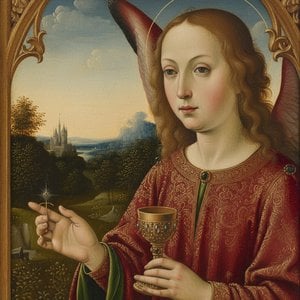
Embark on a journey through the luminous world of Early Netherlandish art. Discover the revolutionary oil techniques, microscopic realism, and sacred symbolism used by masters like Jan van Eyck to redefine Western art history in this expert-led guide.

Explore the profound artistry of The Last Supper through an art historian's lens. From Leonardo da Vinci’s genius to diverse Renaissance interpretations, discover the symbolism and technique behind history's most iconic sacred depictions.

Explore the profound power of religious symbolism in art history. From Renaissance masterpieces to sacred iconography, uncover the hidden meanings behind divine details in a deep dive into classical art excellence.

Delve into the luminous revolution of Early Netherlandish painting. Unveil how Jan van Eyck and Flemish masters pioneered oil techniques to achieve unparalleled depth, sacred symbolism, and breathtaking realism, forever shaping the legacy of Western art history.
 Náhled v interiéru
 Sdílet
 Sdílet
 Podrobnosti o díle
 Průvodce

 Stáhnout
 Podobné položky
 Rentgenové snímky
 Slideshow
 Otázky a odpovědi
 Statistiky


 Zobrazit více









 Skleněná varianta je dostupná pouze u rozměrů menších než 110 cm


