Umělecké dílo zobrazené na této stránce je chráněno autorským zákonem, což znamená, že nemůžeme legálně vytvářet ani prodávat jeho identickou reprodukci. Tato ochrana je vymáhána na základě mezinárodních dohod, jako například Berberská úmluva a národními zákony, včetně těch stanovených v Americký autorský zákon – Díl 17. Všechna práva vyhrazena.
Jako etickou a právní alternativu nabízíme vlastní, ručně malovaná umělecká díla inspirovaná originálem. Naši zdatní a profesionální umělci si pečlivě studují styl, náladu a uměleckou podstatu originálu, aby vytvořili nové, jedinečné dílo, které vyvolává stejný pocit – přičemž zůstává samostatným originálním tvůrčím dílem.
Tato metoda je plně v souladu s autorským právem, protože nezahrnuje kopírování ani duplikování chráněného díla. Jde o kreativní reinterpretaci – nový obraz, který je inspirován originálem, ale není s ním identický.
Ručně malované olejné plátno v libovolném rozměru i s rámem, vyrobené našimi umělci na zakázku. ( Přepnout na tiskové verze
Přepnout na digitální verzi obrazu)
Vyberte si z našich přednastavených velikostí, které odpovídají původním proporcím díla.
Můžete zadat vlastní rozměry pro konkrétní rám nebo prostor. Pokud se vámi vybraná velikost neshoduje s proporcemi původního obrazu, dílo buď ořízneme, nebo jej doplníme ručně malovanými prvky. Před zahájením výroby vám bude zaslán digitální náhled ke schválení.
Upozorňujeme, že náhled na obrazovce neodpovídá skutečnému ořezu ani rozšíření. Pouze digitální náhled přesně zobrazí finální kompozici.
Ačkoliv je možné zvolit vlastní velikost, pro zachování původních proporcí doporučujeme vybrat rozměr z předdefinovaného seznamu.
Celosvětová doprava () za 3–4 týdny namísto standardních 5 týdnů. (10 říjen). Bez kompromisů v kvalitě.
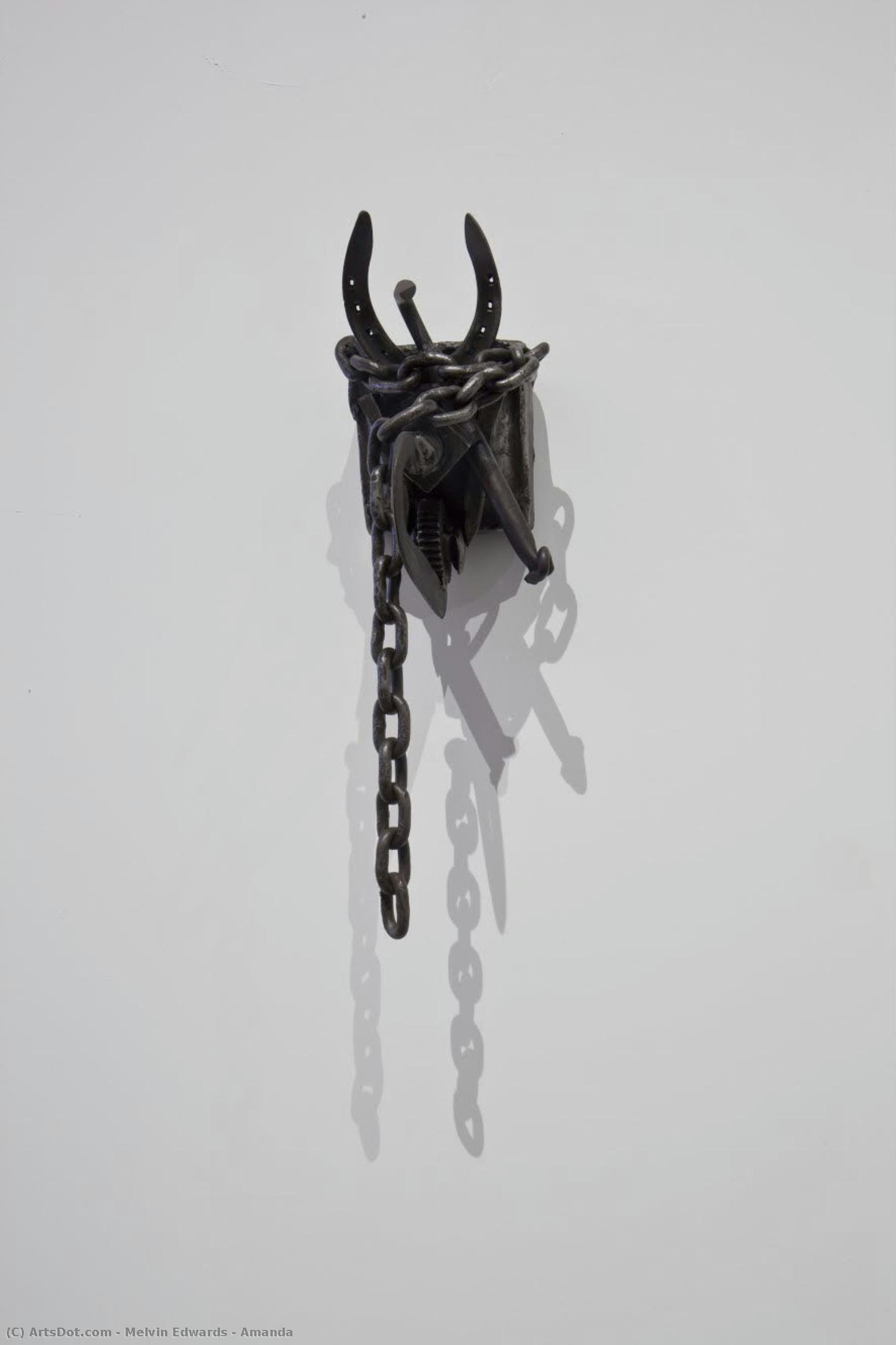
Amanda
Velikost reprodukce
Dílo "Amanda" se připisuje autorovi Melvin Edwards.
Dílo „Amanda“ od Melvin Edwards se doporučuje jako dárek pro Corporate Gift. Jako dárek lze věnovat reprodukci tohoto uměleckého díla.
Vznik díla „Amanda“ od Melvin Edwards se datuje do roku 1981.
„Amanda“ patří k dílu Melvin Edwards v rámci směru Abstract Expressionism, jehož typická témata zahrnují renaissance formalities, black experience struggle, social justice remembrance, sculptural voice legacy, lynch fragments series.
Melvin Edwards bylo 44 let, když v roce 1981 vytvořilo dílo „Amanda“. Věk je vypočítán z roku narození umělce, 1937.
Témata obsažená v díle „Amanda“ od Melvin Edwards zahrnují steel sculpture, african heritage, geometric form, fragmented head, chain motif, industrial material, resilience. Tato témata společně shrnují obsah celého uměleckého díla.
Intenzita barev díla „Amanda“ je Monochromatic. Intenzita popisuje, jak výrazné barvy působí.
Melvin Edwards stands as a monumental figure in the landscape of contemporary American sculpture, an artist whose work serves as both a profound historical archive and a visceral exploration of abstract form. Born on May 4, 1937, in Houston, Texas, Edwards’ early life was shaped by the starkly divided realities of the segregated South. This formative period, marked by the complexities of racial tension and the pursuit of social justice, would later become the emotional bedrock of his artistic practice. As he moved through the integrated landscapes of Ohio and eventually to California in 1955, Edwards began a transformative journey that would lead him from the foundational disciplines of painting at UCLA to the rugged, industrial mastery of welding and steel assemblage.
The arrival of Edwards in New York City in 1967 marked a definitive turning point in his career. Immersed in the electric atmosphere of postwar abstraction, he began to synthesize the geometric rigor of European modernism with the urgent, socio-political narratives of the African-American experience. It was during this era that he developed his most celebrated contribution to the sculptural canon: the Lynch Fragments. These intricate, small-scale steel reliefs are far more than mere abstract compositions; they are poetic yet harrowing assemblages of metal objects—spikes, chains, and scissors—that evoke the fractured memory of racial trauma. Through these works, Edwards achieved a delicate balance between the reductive aesthetics of artists like Piet Mondrian and a conceptual depth reminiscent of Marcel Duchamp, using the very weight and texture of steel to articulate the tension between oppression and endurance.
To encounter a Melvin Edwards sculpture is to engage in a dialogue with history through the medium of industrial grit. His technique is characterized by an extraordinary command over metal, where the act of welding becomes a way to fuse disparate fragments of memory into a cohesive, albeit fractured, whole. In works such as Working Thought, one can witness how the artist utilizes the language of the Lynch Fragments to reflect on the resilience of the human spirit. The jagged edges and deliberate asymmetries of his steel reliefs do not merely represent chaos; they mirror the structural complexities of a history that is often broken and reconstructed.
This mastery extends into larger, more complex installations where the artist incorporates found objects to deepen the narrative resonance of his pieces. In Ida W.B., Edwards masterfully blends steel with bicycle parts, creating a poignant sculptural poem that explores themes of social justice and historical continuity. His ability to transform cold, industrial materials into vessels for profound human emotion is what distinguishes his oeuvre. The following elements define the core of his technical and thematic approach:
The historical significance of Melvin Edwards lies in his ability to bridge the gap between formalist abstraction and political activism. He refused to allow the language of modern sculpture to remain detached from the lived realities of the Black experience, instead forcing the medium to confront the scars of the past. His work does not merely document history; it reanimates it, allowing the viewer to feel the weight of the metal and the sharpness of the edges as symbols of a struggle that continues to shape the American identity.
As his career has progressed, Edwards has remained a vital voice in the global art dialogue, proving that sculpture can be simultaneously decorative, intellectual, and deeply political. His legacy is found in every weld and every fragment, reminding us that even from the most broken pieces, a powerful and enduring narrative can be forged. Through his unwavering commitment to truth and form, Melvin Edwards has ensured that the stories of resilience and memory are etched permanently into the fabric of contemporary art.
1937 - , United States of America