

Giclée nebo plátěný tisk muzeální kvality s rychlou výrobou a širokou nabídkou povrchových úprav. ( Koupit ručně malovaný obraz Přepnout na digitální obraz)





























Vyberte si z našich přednastavených velikostí, které odpovídají původním proporcím díla.

Zadejte šířku a výšku, které potřebujete pro váš rám nebo stěnu. Tisk lze pouze oříznout, nikdy však nelze zvětšit obraz nad jeho původní rozměr, proto při výběru jiného formátu dochází ke ztrátě části obrazu. Před samotným tiskem vám zašleme digitální náhled k schválení. Obraz zobrazený na této stránce nenabízí skutečný výřez — ten uvidíte pouze v náhledu.
Celosvětové doručení () do 2 týdnů namísto standardních 4/5 týdnů. (24 listopad)
Siesta
Rozměry reprodukce
In 1923, Max Beckmann captures a quiet, domestic scene in his work titled Siesta. The scene unfolds within an interior setting, pulling the viewer into a private moment of repose. A man and a woman occupy the space, appearing caught in a state of relaxation or slumber. Their stillness is shared by a small dog resting nearby, adding a sense of lived-in companionship to the quiet room. This domestic tableau suggests a pause in the rush of daily life, a brief interval where the figures find stillness together.
The atmosphere of Siesta carries a certain weight. While the subject matter centers on rest, the arrangement of the figures and the enclosed nature of the room create a sense of psychological tension. The man and woman do not merely rest; they exist within a space that feels heavy with unspoken emotion. Even in this moment of slumber, there is a feeling of isolation or perhaps a shared, silent contemplation that lingers in the air. The presence of the dog anchors the scene in the familiar, yet the overall mood remains complex and deeply human.
The scene unfolds in a horizontal orientation, stretching the viewer's eye across the elongated space of the room. Within this frame, the figures settle into a deliberate triangular formation that anchors the entire arrangement. At the heart of this geometry, the woman reclines, acting as the central focal point around which the rest of the room seems to orbit. Beside her, a man sits in quiet proximity, his gaze drifting toward the viewer or perhaps wandering toward something unseen beyond the immediate surroundings. Near the woman's feet, a small dog rests, adding a silent, domestic presence to the gathering.
Sharp, angular forms define the edges of the figures and the architecture of the interior, creating a sense of structured rigidity. This geometry works alongside a flattened perspective, where objects appear to occupy a single plane rather than receding into deep space. The lack of traditional depth pushes the subjects forward, making the interaction feel immediate and compressed. Every line and shape contributes to a sense of tension, as if the stillness of the moment is held in place by the very weight of the composition.
The artist works through the precise, biting medium of drypoint, a method that allows for a direct and immediate translation of thought onto the surface. This specific impression exists on soft wove paper, a choice that lends a certain tactile quality to the work. The piece was published by R. Piper & Co., Munich, and carries the physical marks of its creation, including a small repaired hole in the lower left margin and some light creasing along the edges. Subtle foxmarks and traces of surface dirt linger in the margins, adding to the lived history of the paper.
The dimensions of the work reveal the intimate scale of the print. The plate itself measures 7 13/16 x 15 1/2" (19.8 x 39.3 cm), while the sheet extends to 14 1/2 x 21 1/8" (36.8 x 53.7 cm). There is a sense of rarity in the way these impressions were produced. The edition is limited, consisting of one of three known trial proofs created before the final edition of 60, alongside one known state proof.
The history of this drypoint print leads us to the archives of the Museum of Modern Art. It entered the permanent collection in 1949, a moment that secured its place within a significant repository of modern expression. Identified by the collection number 100.1949, the work remains a part of this institution's ongoing narrative of twentieth-century art. It exists now within the quietude of the museum's holdings, waiting for its next moment in the light.
Currently, the piece is not on view for the public to witness. It rests in the care of the museum, held in a state of stillness away from the gallery walls. While it remains tucked away from the immediate gaze of visitors, its presence is felt through its recorded place in the collection. The work remains a silent part of the museum's vast and carefully maintained history.
Digitální obraz díla „Siesta“ od Max Beckmann si můžete zakoupit na jeho stránce pro digitální objednávky Digitální snímek: stažení digitálního obrazu ve vysokém rozlišení.
Mezi další jména, pod kterými je znám(a) Max Beckmann, tvůrce díla „Siesta“, patří i Max Carl Friedrich Beckmann, Max Beckman.
Barvy díla „Siesta“ od Max Beckmann vykazují Strong Color Unity harmonii. Harmonie popisuje vzájemný vztah barev k sobě navzájem.


Delve into the visceral world of German Expressionism. Explore the history, key artists like Kirchner and Kandinsky, and the movement's profound emotional impact through an expert art-history lens. Discover how bold colors and distortion redefined modern aesthetics.

Immerse yourself in the vibrant world of Alexej von Jawlensky. Explore 25 iconic Expressionist masterpieces, from emotive portraits to bold color studies. Find inspiration and museum-quality art reproductions for your collection. Discover all masterpieces on WahooArt.com.

Explore the profound visual language of human suffering through masters like Rembrandt and Munch. Discover the art of emotion today.

Immerse yourself in the raw emotion of German Expressionism. Explore 25 iconic masterpieces by Ernst Ludwig Kirchner, from bold street scenes to vibrant landscapes. Find inspiration for museum-quality art reproductions and decor. Discover all masterpieces on WahooArt.com.
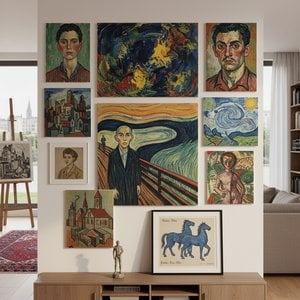
Prozkoumejte 10 ikonických děl expresionismu od Muncha, van Gogha a dalších. Objevte příběhy umělců, techniky a emoce v obrazech. Reprodukce obrazů nejvyšší kvality na WahooArt.com – inspirace pro váš interiér! Prohlédněte si celou kolekci online.
 Náhled v interiéru

 Sdílet
 Sdílet
 Podrobnosti o díle
 Průvodce


 Stáhnout
 Podobné položky
 Rentgenové snímky
 Slideshow
 Otázky a odpovědi

 Statistiky


 Zobrazit více









 Skleněná varianta je dostupná pouze u rozměrů menších než 110 cm


