Ručně malovaná olejná barva na plátně ve vašem zvoleném rozměru i s rámem, vyrobená našimi umělci na zakázku. ( Koupit tisk Koupit obrázek)





























Vyberte si z našich přednastavených velikostí, které odpovídají původním proporcím díla.

Můžete zadat vlastní rozměry pro konkrétní rám nebo prostor. Pokud se vámi vybraná velikost neshoduje s proporcemi původního obrazu, dílo buď ořízneme, nebo jej doplníme ručně malovanými prvky. Před zahájením výroby vám bude zaslán digitální náhled ke schválení.
Upozorňujeme, že náhled na obrazovce neodpovídá skutečnému ořezu ani rozšíření. Pouze digitální náhled přesně zobrazí finální kompozici.
Ačkoliv je možné zvolit vlastní velikost, pro zachování původních proporcí doporučujeme vybrat rozměr z předdefinovaného seznamu.
Celosvětová doprava () za 3–4 týdny namísto standardních 5 týdnů. (7 září). Bez kompromisů v kvalitě.


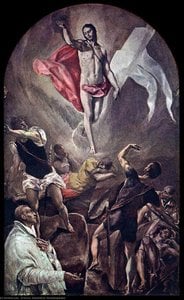
The Resurrection
Rozměry reprodukce
Matthias Grünewald's "The Resurrection," painted around 1515, isn’t merely a depiction of a biblical event; it’s a visceral experience. This monumental panel, now housed in the Unterlinden Museum in Colmar, France, transcends simple narrative to become a profound meditation on faith, sacrifice, and the triumph over darkness. It's a work that immediately commands attention, not through polished realism, but through an intensely emotional and dramatically charged atmosphere – a hallmark of Grünewald’s unique Northern Renaissance style.
The painting unfolds as a carefully orchestrated drama. At its heart stands Christ, not in serene repose, but powerfully ascending into the heavens. His body, ravaged by the wounds of the crucifixion, is rendered with an almost agonizing detail – the flayed skin, the exposed nails, the blue-tinged lips conveying both suffering and divine presence. This isn’t idealized beauty; it's a raw, unflinching portrayal of human agony transformed into spiritual victory. Below him lies a chaotic tableau of fallen Roman soldiers, their armor scattered, weapons abandoned, symbolizing the defeat of earthly power by the resurrected Christ.
Grünewald’s mastery lies in his manipulation of light and shadow – a technique known as *chiaroscuro*. The scene is dominated by deep, almost impenetrable blacks that contrast sharply with the radiant glow emanating from Christ himself. This dramatic lighting isn't just aesthetic; it serves to elevate Christ to a divine level, casting him as the source of all illumination and hope. The artist employs impasto – thick layers of paint applied directly to the panel – creating a tactile surface that adds depth and physicality to the figures and architectural elements. The brushstrokes are visible, lending a sense of immediacy and energy to the composition.
Notice also the deliberate flattening of perspective. Grünewald prioritizes emotional impact over strict realism, drawing the viewer’s eye upwards towards Christ's ascent through strong diagonals and a tightly structured composition. This compositional choice reinforces the painting’s central theme: the movement from earthly suffering to heavenly glory.
“The Resurrection” wasn’t created for a grand cathedral, but for the hospital of St. Anthony in Issenheim, a monastery dedicated to caring for plague victims. The monks there were particularly skilled at treating ergotism, a debilitating disease characterized by gangrene and convulsions. The imagery within the painting – Christ's wounds mirroring the symptoms of the afflicted – was intended to offer comfort and reassurance to those suffering from this horrific illness. It’s a poignant example of art serving as a source of spiritual healing.
Furthermore, the inclusion of figures like Saint Sebastian (pierced by arrows) and John the Baptist (pointing towards Christ) adds layers of symbolic meaning. Sebastian represents martyrdom and sacrifice, while John foreshadows the coming of the Messiah. The lamb, held by John, is a potent symbol of Christ as the sacrificial Lamb of God.
“The Resurrection” remains one of Grünewald’s most powerful and enduring works. Its raw emotion, dramatic composition, and profound symbolism continue to resonate with viewers centuries later. It's a testament to the artist’s ability to capture not just the events of the biblical narrative, but also the complex emotions associated with faith, suffering, and redemption. Reproductions of this masterpiece offer a remarkable opportunity to experience Grünewald’s visionary style in your own space – a window into a world of intense spirituality and artistic brilliance.

Matthias Grünewald, narozený jako Mathis Gothart Neithardt kolem let 1470–1475 ve Würzburgu v Německu, představoval klíčovou postavu německé renesance. Přestože žil v době, která byla stále více ovlivňována ideály italské renesance, Grünewald zůstal hluboce zakořeněn v umělických tradicích pozdního středověku střední Evropy. Informace o jeho raném životě jsou vzácné, ale víme, že prošel výtvarným výcvikem, který pravděpodobně získal v místních dílnách.
Grünewaldův umělecký rozvoj byl formován tehdejšími severoevropskými tradicemi realismu, emocionální intenzity a detailního pozorování. V jeho díle lze patrně vidět vlivy umělců jako Albrecht Dürer či Martin Schongauer, avšak on sám si vybudoval zcela unikátní cestu, kterou charakterizuje dramatická výraznost a živá koloristika. Nebyl přímo spojen s humanistickými kruhy, které byly tehdy v Itálii tak významné; jeho umění však primárně sloužilo náboženským účelům a zrcadlilo duchovní úzkosti jeho doby.
Grünewaldův styl je specificky definován několika prvky:
Grünewaldovo dílo stojí jako svědectví o trvající síle středověkých uměleckých tradic v Německu během renesance. Dokázal překlenout propast mezi pozdně gotickým stylem a nastupující renesancí a vytvořil unikátní vizuální jazyk, který rezonoval s jeho dobovými lidmi. Jeho vliv je patrný u pozdějších německých umělců, kteří pokračovali v prozkoumávání témat náboženského žáru a emocionální intenzity. Ačkoliv byl po své smrti v roce 1528 po staletí zapomenut, v 19. století zažil renesanci a dnes je uznáván jako jeden z nejdůležitějších malířů německé renesance. Jeho umění i nadále fascinuje diváky svou syrovou emocí, technickou brilancí a hlubokým duchovním rozměrem.
Zjistěte více o životě a díle Matthiase Grünewalda na: WahooArt

1480 - 1528 , Německo

Discover the profound allure of oil on canvas. Explore the mastery of impasto textures, the science of pigment longevity, and expert guides to selecting museum-quality reproductions that elevate your collection with timeless elegance and tactile depth.

Discover the enduring legacy of oil on board painting. Explore how historical techniques, rich impasto textures, and structural durability create timeless masterpieces that bridge Renaissance grandeur with modern art collecting excellence.

Discover the enduring allure of oil on canvas. Explore how master techniques like impasto and glazing create the depth, texture, and emotional resonance found in the world's greatest masterpieces. An essential guide for fine art enthusiasts and discerning collectors.

Explore the profound secrets of classical oil painting. From the delicate mastery of glazing to the dramatic depth of chiaroscuro, discover the timeless techniques used by Old Masters to create enduring, museum-quality masterpieces that capture light and emotion.

Discover the enduring allure of hand-painted oil reproductions. WahooArt offers museum-quality, archival masterpieces designed for discerning collectors seeking timeless beauty and a lasting legacy. Invest in fine art that transcends generations with our expert craftsmanship.

 Náhled
 Sdílet
 Sdílet
 Podrobnosti o díle

 Stáhnout
 Podobné položky
 Rentgenové snímky
 Slideshow


 Zobrazit více







 Skleněná varianta je dostupná pouze u rozměrů menších než 110 cm