BEZPLATNÉ UMĚLECKÉ PORADENSTVÍ
x
Acrylic On Canvas
WallArt
Color Field Painting
1947
Late Medieval
98.0 x 92.0 cmKoupě vysoce rozlišeného, vylepšeného digitálního obrazu, který je mnohem kvalitnější než online náhled.
Každý soubor je pečlivě připraven našimi odborníky pomocí pokročilých nástrojů a expertní manuální retuše. Zajišťujeme, aby každý obraz disponoval výjimečnou ostrostí, přesnou barevnou věrností a jemnými detaily.
Finální soubor vám bude do 72 hodin zaslán e-mailem, optimalizovaný pro okamžité použití v profesionálním, redakčním i tiskovém prostředí. Nabízíme stejnou kvalitu, které důvěřují špičková designová studia, nakladatelství i galerie.
Stáhněte si soubor ve vysokém rozlišení pro osobní prohlížení, tisk a kreativní projekty.
Když si vyberete WahooArt.com, nezískáváte pouze obrázek – získáváte digitální umělecké dílo s profesionálně vylepšenými detaily, zpracované s precizností a podpořené zárukou za spokojenost. Zde je vše, co vaše objednávka automaticky obsahuje:
Váš digitální obraz ve vysokém rozlišení vám bude zaslán e-mailem do 72 hodin od objednávky – připraven k okamžitému použití.
Vaše umělecké dílo je profesionálně optimalizováno pomocí pokročilých nástrojů umělé inteligence a manuální úpravy, což zajišťuje maximální úroveň detailu, ostrosti a přesnosti barev.
Soubor jste omylem smazali nebo ztratili? Žádný problém – kdykoliv vám ho znovu zašleme zcela zdarma.
Užijte si své umělecké dílo okamžitě bez celních poplatků, daní nebo nákladů na dopravu – digitální stažení je vždy bez daňových povinností.
Pomocí profesionálních nástrojů a správy barev zajišťujeme, aby váš digitální obraz odrážel původní barvy co nejvěrněji.
Pokud nebudete s digitální fotografií spokojeni, provedeme její revizi nebo vám vrátíme 100% během 60 dnů – bez jakýchkoliv dotazů.
Nespokojeni? Získejte plnou částku zpět do 60 dní od přijetí vašeho digitálního souboru – bez jakýchkoliv dotazů.
Koupěte si 3 obrazy, ušetřete 10% - Koupěte si 5, ušetřete 15% - Koupěte si 10+, ušetřete 20%. Ideální pro kreativní projekty, galerie a agentury.
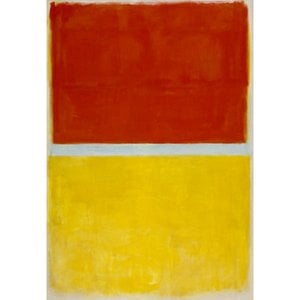
Mark Rothko's 1947 painting, simply titled “Untitled,” isn’t an invitation to narrative; it’s a plunge into pure feeling. Born in Dvinsk (now Daugavpils), Latvia, amidst the anxieties of a Jewish family navigating the turbulent landscape of Eastern Europe, Rothko carried within him a profound sensitivity to human suffering – a theme that would become a cornerstone of his artistic exploration. This early experience, coupled with the upheaval of immigration to Portland, Oregon, instilled in him a lifelong quest for understanding beyond the literal, seeking instead to capture the essence of existential questions through color and form. “Untitled” embodies this journey, representing not a depiction of something external but an internal landscape rendered in pigment.
The painting’s vertical format immediately draws the viewer into its space, creating a sense of both intimacy and expansiveness. The composition is dominated by clusters of geometric forms – rectangles, blocks, and hazy planes – arranged with deliberate asymmetry. These aren't sharply defined shapes; instead, they possess blurred and feathered edges, dissolving at the boundaries and merging seamlessly with one another. This technique, characteristic of Rothko’s mature style, avoids precise outlines, encouraging the eye to wander and lose itself within the interplay of color.
The color palette is deliberately restrained yet profoundly evocative. Muted tones – laurel green, coral orange, sky blue, gray, pewter black, and a delicate raspberry pink – dominate the canvas, creating an atmosphere of quiet contemplation. Rothko wasn’t interested in vibrant spectacle; he sought to evoke mood and emotion through subtle shifts in hue and value. Notice how the greens and blues subtly recede into the background, while the oranges and pinks advance, drawing the eye deeper into the painting's heart. The use of these specific colors – each carrying its own associations with nature, spirituality, and even melancholy – contributes to the work’s overall sense of introspection.
The layering of these colors is crucial. Rothko applied thin washes of paint, allowing them to bleed into one another, creating a hazy, atmospheric effect. This technique, known as “all-over painting,” eliminates any focal point, distributing the viewer's attention evenly across the entire surface. It’s an invitation to surrender to the experience of color itself, rather than searching for a specific subject or meaning.
While Rothko famously resisted assigning definitive interpretations to his paintings, “Untitled” undeniably resonates with themes of loss, longing, and the search for transcendence. The blurred forms can be seen as representing the fragmented nature of memory and experience, while the muted colors evoke a sense of sadness or melancholy. Some scholars have linked the painting’s color scheme to Rothko's own personal struggles with depression and his fascination with Eastern Orthodox spirituality – a tradition that emphasized contemplation and the pursuit of divine union through meditative practices.
Ultimately, “Untitled” is not about representing something concrete; it’s about creating an emotional experience. It’s a painting that invites viewers to engage in a silent dialogue with their own inner selves, prompting reflection on fundamental questions about life, death, and the human condition. The beauty of Rothko's work lies in its ability to bypass intellectual analysis and speak directly to our emotions, offering a moment of profound stillness in an increasingly chaotic world.
1903 - 1970 , Lotyšsko
Sdělte nám více o svém projektu a naši odborníci na umění vám připraví 3 personalizované návrhy uměleckých děl.
Nechť pro vás vybereme 3 možnosti – zdarma!