

Umělecké dílo zobrazené na této stránce je chráněno autorským zákonem, což znamená, že nemůžeme legálně vytvářet ani prodávat jeho identickou reprodukci. Tato ochrana je vymáhána na základě mezinárodních dohod, jako například Berberská úmluva a národními zákony, včetně těch stanovených v Americký autorský zákon – Díl 17. Všechna práva vyhrazena.
Tato metoda je plně v souladu s autorským právem, protože nezahrnuje kopírování ani duplikování chráněného díla. Jde o kreativní reinterpretaci – nový obraz, který je inspirován originálem, ale není s ním identický.
Giclée nebo plátěný tisk muzeální kvality s rychlou výrobou a širokou nabídkou povrchových úprav. ( Koupit ručně malovaný obraz Přepnout na digitální obraz)





























Vyberte si z našich přednastavených velikostí, které odpovídají původním proporcím díla.

Zadejte šířku a výšku, které potřebujete pro váš rám nebo stěnu. Tisk lze pouze oříznout, nikdy však nelze zvětšit obraz nad jeho původní rozměr, proto při výběru jiného formátu dochází ke ztrátě části obrazu. Před samotným tiskem vám zašleme digitální náhled k schválení. Obraz zobrazený na této stránce nenabízí skutečný výřez — ten uvidíte pouze v náhledu.
Celosvětové doručení () do 2 týdnů namísto standardních 4/5 týdnů. (8 listopad)
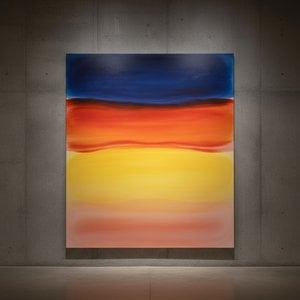
Untitled 21
Rozměry reprodukce
Mark Rothko’s paintings stand as monuments to profound sorrow—a testament to the artist's own personal struggles and an enduring reflection of the human condition. Born Markus Yakovlevich Rothkowitz in Dvinsk, Latvia, in 1903, he navigated a childhood steeped in displacement and loss, experiences that would irrevocably inform his artistic vision.
Early Life and Artistic Roots: Rothko’s formative years were marked by the anxieties of a Jewish family residing within the Pale of Settlement. Pogroms and political instability instilled a deep empathy for suffering—a sensitivity that would become central to his artistic exploration. The 1913 emigration to Portland, Oregon, represented not merely a geographical relocation but a cultural collision for the young Rothko, shaping him as he embraced new ideas and perspectives.
The Rise of Color Field Painting: Rothko emerged as a pivotal figure in the burgeoning Color Field movement of the 1940s and 50s. Rejecting traditional representational art, he championed an approach that prioritized pure color—vast expanses of pigment applied to canvas without discernible imagery. This stylistic choice wasn’t arbitrary; it was deliberately conceived as a vehicle for conveying emotion directly, bypassing intellectual mediation.
Symbolism of Grief and Transcendence: Rothko’s canvases are imbued with potent symbolism. The muted hues—primarily reds, yellows, and blues—are not intended to depict specific objects or scenes but rather to evoke feelings of grief, vulnerability, and spiritual yearning. Critics have interpreted the overlapping rectangles as representing the merging of individual consciousnesses into a unified whole—a visual metaphor for confronting mortality and achieving transcendence.
Emotional Resonance: Viewing Rothko’s paintings is an experience akin to entering a meditative space. The sheer scale of the canvases compels contemplation, inviting viewers to immerse themselves in the artist's emotional landscape. Rather than offering answers or judgments, Rothko’s work prompts introspection—encouraging us to confront our own anxieties about existence and to appreciate the beauty inherent in confronting difficult truths.
Legacy: Rothko’s influence extends far beyond the Color Field movement, shaping generations of artists who followed him. His unwavering commitment to exploring profound emotional themes continues to inspire creativity and provoke dialogue—solidifying his place as one of the most significant figures in 20th-century art.
Barevná identita díla „Untitled 21“ od Mark Rothko: paleta v odstínech Earthy, s převládající barvou Phthalo Green (#221e21).
Digitální obraz díla „Untitled 21“ od Mark Rothko si můžete zakoupit na jeho stránce pro digitální objednávky Digitální snímek: stažení digitálního obrazu ve vysokém rozlišení.
V rámci směru Abstract Expressionism Abstract Expressionism má dílo „Untitled 21“ úroveň popularity Legendary.

1903 - 1970 , Lotyšsko

Explore the profound emotional depth of Color Field painting. Discover the history of mid-century abstraction, from Rothko to Newman, and learn how pure color transforms the viewer's experience through our expert art history guide.

Prozkoumejte 25 ikonických děl Marka Rothka, mistra abstraktního expresionismu. Objevte příběhy za jeho barevnými plátny a emoce v umění. Reprodukce obrazů nejvyšší kvality na WahooArt.com.
Explore the profound emotional depth of Mark Rothko's abstract expressionism. Discover the history, techniques & lasting impact of this pivotal Color Field painter. Expert insights for collectors and art enthusiasts.

Prozkoumejte 10 ikonických děl abstraktního expresionismu od Pollocka, Rothka a dalších. Objevte příběhy za obrazy, techniky a barevné palety tohoto revolučního uměleckého hnutí. Reprodukce obrazů s WahooArt.com – luxusní dekorace pro váš interiér. Prozkoumejte celou kolekci online!

Prozkoumejte 25 ikonických děl Wassily Kandinského – průkopníka abstraktního umění a expresionismu. Objevte příběhy za barevnými kompozicemi, Bauhaus styl a inspirujte se pro váš interiér s reprodukcemi nejvyšší kvality na WahooArt.com.
 Náhled v interiéru
 Sdílet
 Sdílet
 Podrobnosti o díle
 Průvodce

 Stáhnout
 Podobné položky
 Rentgenové snímky
 Slideshow
 Otázky a odpovědi
 Statistiky

 Zobrazit více









 Skleněná varianta je dostupná pouze u rozměrů menších než 110 cm


