Rané Život a Semena Umělecké Vize
Mark Rothko, vlastním jménem Markus Yakovlevich Rothkowitz, se narodil v roce 1903 ve Dvinsku (dnes Daugavpils) v Lotyšsku. Od počátku ho provázel pocit odcizení, který hluboce ovlivnil jeho uměleckou cestu. Jeho dětství bylo poznamenáno úzkostí židovské rodiny žijící v tzv. pásmu osídlení, zastíněné pogromy a politickými nepokoji. Tato atmosféra v něm zakořenila hlubokou citlivost k lidskému utrpení – téma, které se prolínalo celým jeho dílem. Imigrace do Portlandu v Oregonu v roce 1913 nebyla pouhou geografickou změnou, ale kulturním otřesem pro mladého Rothka. Zatímco otec, lékárník a intelektuál s socialistickými názory, pěstoval doma prostředí plné debat a učení, brzká smrt Jacoba Rothkowitze krátce po příjezdu vrhla dlouhý stín na jeho život. Tato první zkušenost se ztrátou, spojená s obtížemi asimilace, podnítila celoživotní zkoumání existenčních témat – mortality, traumatu a hledání smyslu v chaotickém světě. Přestože exceloval akademicky na Yaleově univerzitě, Rothko se cítil přitahován k živé energii New Yorku, kde opustil formální studium, aby se oddal své vášni pro umění na Art Students League. Tato formující léta položila základy umělecké vize, která nakonec zpochybnila konvenční představy o malbě a nově definovala emocionální sílu barvy.
Od Figurativních Začátků k Abstraktnímu Expresionismu
Rothkovy první umělecké pokusy byly pevně zakořeněny v realismu, zobrazoval městské scény a portréty s bystrým okem pro detail. Tyto rané práce však již naznačovaly psychologickou hloubku, která se měla stát jeho charakteristickým znakem. Jak 40. léta postupovala a svět zápasil s hrůzami druhé světové války, Rothkovo umění prošlo dramatickou proměnou. Ovlivněn surrealismem a mytologií začal odcházet od reprezentativní obraznosti a snažil se vyjádřit univerzální lidské emoce prostřednictvím symbolických forem. V tomto období vznikly multiforní malby – plátna osídlená nejednoznačnými, biomorfními tvary, které se vznášely mezi figurací a abstrakcí. Tyto práce nebyly pouhými experimenty s formou; byly hluboce prožitémi reakcemi na úzkost a nejistotu světa ve válce. Na konci 40. let Rothko dosáhl svého charakteristického stylu: velkoformátové plátno s obdélníkovými bloky barev, které se zdály vznášet a rezonovat mezi sebou. Zbavil se všech stop rozpoznatelných obrazů a soustředil se na čistý emocionální dopad barvy a formy. To znamenalo zásadní okamžik ve vývoji abstraktního expresionismu a etablovalo Rothka jako předního představitele tohoto průlomového hnutí.
Barevné Pole a Snaha o Transcendenci
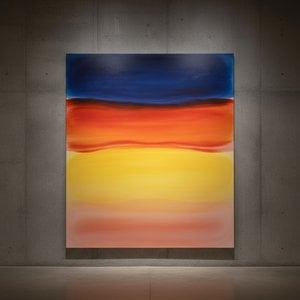
Rothkovo zralé dílo je definováno tím, co se stalo známým jako „malba barevného pole“ – rozsáhlými plochami zářivých barev, které obklopují diváka pohlcujícím zážitkem. Tyto malby nejsou o *tom*, co zobrazují, ale spíše o *tom*, jak se cítíte. Rothko věřil, že by umění mělo zapojit diváka visceralně, obejít intelektuální analýzu a mluvit přímo k emocím. Pečlivě vrstvil tenké závoje barvy a vytvářel jemné variace tónů a textur, které se zdály vyzařovat zevnitř plátna. Hrany jeho obdélníkových forem jsou často rozmazané, což jim umožňuje prolínat se a vzájemně působit, čímž vzniká pocit hloubky a pohybu. Rothko záměrně vyhýbal titulům mimo čísla – „Číslo 1“, „Číslo 6“ – a povzbuzoval diváky, aby se s malbami konfrontovali bez předpojatých názorů a nechali své vlastní emocionální reakce vést jejich zážitek. Snažil se vytvořit prostor pro kontemplaci, útočiště, kde se mohou diváci spojit s něčím větším než oni sami. Jeho ambicí nebylo nic menšího než vyvolat hluboké duchovní zážitky jazykem barvy.
Hlavní Úspěchy a Trvalý Odkaz
Mezi nejvýznamnější Rothkovy úspěchy patří „Číslo 10 (1950)“, zásadní dílo, které exemplifikuje jeho vyvíjející se styl, a Seagramovy nástěnné malby (1958). Zakázka pro restauraci Four Seasons v New Yorku byla nakonec Rothkem odmítnuta, který cítil, že by byla narušena zamýšleným prostředím. Místo toho je daroval Tate Gallery v Londýně, kde i nadále inspirují úžas a kontemplaci. Možná jeho nejambicióznějším projektem byla Rothkova kaple (1971) v Houstonu v Texasu – nedenominacionalní svatyně s čtrnácti jeho malbami. Navržená jako prostor pro tiché rozjímání je považována za posvátné místo mnoha, ztělesňující Rothkovo přesvědčení o duchovní síle umění.
Rothkův vliv na následující generace umělců byl obrovský. Proložil cestu minimalistickému umění a i nadále inspiruje současné malíře, kteří zkoumají emocionální možnosti abstrakce. Navzdory boji s depresí během celého života, který vyvrcholil jeho tragickou sebevraždou v roce 1970, zůstává Mark Rothko jedním z nejdůležitějších a nejvlivnějších umělců 20. století – mistrem barvy, jehož dílo i nadále rezonuje s publikem po celém světě.
Trvalá Síla Emocionální Rezonance
- Rothkovy malby jsou oslavovány pro svou schopnost vyjádřit univerzální lidské emoce – tragédii, extázi, zoufalství a naději.
- Jeho zkoumání barvy jako prostředku emocionálního vyjádření způsobilo revoluci v abstraktní malbě.
- Rothkova kaple je důkazem jeho víry v duchovní sílu umění.
- Zůstává klíčovou postavou abstraktního expresionismu a významným vlivem na současné umělce.
Rothkův odkaz sahá za hranice dějin umění. Jeho dílo nás zve, abychom se konfrontovali s vlastní smrtelností, vyrovnali se se složitostí lidské existence a hledali smysl ve světě často zbaveném významu. Připomíná nám, že umění není jen o estetice; je to o spojení – spojení se sebou samými, s ostatními a s něčím větším než my sami. Trvalá síla jeho maleb spočívá v jejich schopnosti vyvolat tyto hluboké emoce, nabízet útěchu, inspiraci a pohled do hloubi lidské duše.



 Zobrazit v interiéru
 Přepnout na tiskové verze
 Odeslat
 Sdílet
 Podrobnosti
 Průvodce

 Stáhnout obrázek
 Podobné kousky
 Rentgenové snímky
 Slideshow
 Statistiky
 Přečíst si více






































 Skleněná varianta je dostupná pouze u rozměrů menších než 110 cm