x
Koupit tisk Koupit tiskKoupit obrázek Koupit obrázek SdíletSdílet
Podrobnosti o dílePodrobnosti o díle Přidat do oblíbených Přidat do oblíbených StáhnoutStáhnout Podobné položkyPodobné položky SlideshowSlideshow

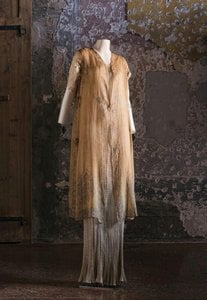
Cape

Mariano Fortuny’s ‘Cape,’ created in 1930, exemplifies his groundbreaking approach to fashion and stage lighting. This photograph captures a mannequin draped in a luxurious velvet coat adorned with delicate lace—a testament to Fortuny's revival of historical motifs and pioneering techniques.

Mariano Fortuny (1871-1949) byl španělský umělec a módní návrhář známý inovativními textiliemi, historicky inspirovanými šaty a revolučním osvětlením divadel. Objevte jeho orientalistické vlivy, vynálezy a trvalé dědictví v historii umění.

Ručně malovaná olejová reprodukce

Ručně malovaná olejná barva na plátně ve vašem zvoleném rozměru i s rámem, vyrobená našimi umělci na zakázku. (Koupit tisk Koupit tiskKoupit obrázek Koupit obrázek)

Standardní velikost
na míru
CM
INCH

Vyberte si z našich přednastavených velikostí, které odpovídají původním proporcím díla.

šířka
výška

Můžete zadat vlastní rozměry pro konkrétní rám nebo prostor. Pokud se vámi vybraná velikost neshoduje s proporcemi původního obrazu, dílo buď ořízneme, nebo jej doplníme ručně malovanými prvky. Před zahájením výroby vám bude zaslán digitální náhled ke schválení.
Upozorňujeme, že náhled na obrazovce neodpovídá skutečnému ořezu ani rozšíření. Pouze digitální náhled přesně zobrazí finální kompozici.
Ačkoliv je možné zvolit vlastní velikost, pro zachování původních proporcí doporučujeme vybrat rozměr z předdefinovaného seznamu.

Příklady možných změn: Nahrazení obličeje vlastní fotografií; Přidání domácího mazlíčka (např. nahrazení kočky psem); Vložení skrytého vzkazu do pozadí; Změna krajiny nebo prvků v pozadí.
Po přijetí objednávky vám tým WahooArt.com zašle e-mail s pokyny a poskytne náhledovou verzi.

Celosvětová doprava () za 3–4 týdny namísto standardních 5 týdnů. (27 srpen). Bez kompromisů v kvalitě.

why_choose_icon
Zdarma celosvětová expresní doprava
why_choose_icon
Vysoce kvalitní lněné plátno
why_choose_icon
Kompletní přepravní pojištění
why_choose_icon
Záruka vrácení celního poplatku
why_choose_icon
Záruka přesného barevného shodu
why_choose_icon
60denní lhůta pro vrácení zboží (pouze při vadách výroby)
why_choose_icon
100% garance vrácení peněz
why_choose_icon
Sleva při hromadné objednávce

Celková cena

$ 272

reproduction

Cape

Technika reprodukce

Rozměry reprodukce

-

Celková cena za výběr

$ 272

Základní informace

  • Title: Cape
  • Influences: Historical Sources"; "Non-Western Traditions
  • Medium: Textile
  • Artist: Mariano Fortuny
  • Location: Palazzo Fortuny, Venice
  • Subject or theme: Fashion Design; Artistic Presentation
  • Movement: Decorative Arts

Kvíz o umění

U každé otázky je pouze jedna správná odpověď.

Otázka 1:
What is the primary subject matter of Mariano Fortuny’s ‘Cape’?
Otázka 2:
The photograph showcases Fortuny’s ‘Cape’ within what type of setting?
Otázka 3:
What technique is Fortuny credited with pioneering in theater design?
Otázka 4:
The photograph highlights the textures of both the garment and its background. What is a prominent textural element in the image?
Otázka 5:
Fortuny’s artistic inspiration drew heavily from historical and non-Western sources. What is a key characteristic of his creative approach?

A Vision of Elegance: The Timeless Allure of Mariano Fortuny’s ‘Cape’

In the realm of textile art, few pieces command the same reverence as Mariano Fortuny’s 1930 masterpiece, ‘Cape.’ This is not merely a garment; it is a profound reimagining of theatrical presentation and a masterful fusion of historical inspiration with avant-garde technique. To behold this work is to witness a moment where fashion transcends utility to become pure sculpture. The piece embodies a sophisticated dialogue between the weight of history and the lightness of innovation, making it an essential inspiration for collectors and designers who seek to infuse their spaces with a sense of storied grandeur.

The soul of the ‘Cape’ lies in its ability to reinterpret antiquity through a modern lens. Fortuny, a true polymath, drew deep inspiration from Greco-Roman mythology, specifically evoking the dramatic drapery associated with Zeus during the siege of Mount Olympus. By translating these epic narratives into fabric, he transformed a mannequin into a conduit for mythological grandeur. The garment serves as a visual spectacle where the heavy, luxurious velvet of the collar and hood meets the ethereal, delicate patterns of a lace-like overlay. This deliberate juxtaposition creates a captivating interplay of surfaces, inviting the eye to wander through layers of texture and light.

Mastery of Texture and the Art of Light

Technique is the heartbeat of this work. Fortuny was as much an inventor as he was a designer, and his mastery over material is evident in every fold of the ‘Cape.’ The way the dark, sumptuous velvet absorbs light stands in stark contrast to the translucent, patterned overlay that allows glimpses of the form beneath to emerge like a half-remembered dream. This interplay mirrors Fortuny’s revolutionary work with the cyclorama dome, where he used reflected light to create seamless, immersive environments in theater. In this piece, the fabric itself acts as a stage, performing a silent drama of shadow and brilliance.

For the interior designer or art enthusiast, the ‘Cape’ offers a rich palette of textures that can elevate any setting. The verticality of the pleated skirt provides a rhythmic stability, while the organic, flowing lines of the draped coat introduce a sense of movement. It is a study in balance—the heavy against the light, the structured against the fluid. This complexity makes a high-quality reproduction of such a work an extraordinary focal point, capable of anchoring a room with its profound sense of craftsmanship and historical weight.

An Emotional Legacy for the Modern Collector

Beyond its physical attributes, the ‘Cape’ carries an emotional resonance that speaks to the enduring human desire for beauty and transcendence. It evokes a sense of timelessness, bridging the gap between the ancient world and the modern era. There is a certain mystery held within its folds, a whisper of the aristocratic intrigue and theatrical magic that defined Fortuny’s life in Venice. To possess or display an homage to this work is to celebrate the spirit of the alchemist of aesthetics—an artist who refused to see boundaries between fashion, stagecraft, and fine art.

Whether integrated into a curated gallery collection or used as a sophisticated element in high-end decor, the ‘Cape’ remains a symbol of refined beauty. It invites viewers to contemplate the intersection of memory and innovation, making it a timeless investment for those who appreciate art that does not merely decorate a space, but breathes life and narrative into it.


Biografie umělce

Early Life and Inspiration

Mariano Fortuny, a name synonymous with opulent textiles, groundbreaking theatrical lighting, and a captivating blend of artistic disciplines, was born on May 11, 1871, in Granada, Spain. His early life was marked by profound loss – his father, Mariano Fortuny y Marsal, a celebrated genre painter, tragically passed away when the young boy was just three years old. This event profoundly shaped his family’s trajectory, leading them to relocate to Paris, France, where his mother, Cecilia de Madrazo, introduced him to the world of luxurious fabrics and materials, an experience that would irrevocably influence his artistic vision. From a remarkably young age, Fortuny demonstrated a prodigious talent across various mediums: painting, photography, sculpting, architecture, etching, and even theatrical stage lighting design. He wasn’t merely skilled; he possessed an innate curiosity and a relentless drive to innovate, quickly establishing himself as a multifaceted artist with a unique perspective. His childhood was filled with the tactile beauty of textiles – silks, velvets, brocades – each imbued with history and craftsmanship, fueling his desire to master their manipulation and transform them into works of art.

Artistic Talents and Revolutionary Inventions

Fortuny’s artistic journey began in earnest during his time in Paris, where he honed his skills and developed a distinctive style characterized by a masterful command of color, texture, and composition. However, it was his inventive spirit that truly set him apart. He wasn't content to simply create beautiful objects; he sought to fundamentally change the way spaces were illuminated and experienced. This drive led to over twenty patented inventions between 1901 and 1934, revolutionizing the world of theatrical design. His most celebrated innovation was undoubtedly the “fortuny cyclorama dome,” a quarter-dome structure constructed from plaster or cloth designed to diffuse light in a seamless manner, creating an illusion of infinite space – a technique that dramatically enhanced stage productions. Fortuny’s treatise, "Eclairage Scenique" (1904), meticulously documented his groundbreaking discovery of reflecting light off various surfaces, demonstrating how manipulating the color, intensity, and properties of light could transform a scene's atmosphere and impact. This wasn’t just about lighting; it was about controlling perception itself. His work extended beyond the stage, encompassing architectural elements and even pioneering techniques in photography.

Collaborations and Recognition

Fortuny’s artistic achievements quickly garnered widespread recognition throughout Europe and America during the 1920s. He forged significant collaborations with some of the most influential figures of his time, cementing his place within the international art scene. Perhaps most notably, he worked closely with Richard Wagner, the German composer, whose operas deeply inspired Fortuny’s visual interpretations of dramatic narratives. His designs for the famous opera house, La Scala in Milan, were particularly ambitious, adapting the cyclorama dome to accommodate the theater's vast scale and even inventing a sophisticated suction fan system to maintain the dome’s taut structure – a testament to his engineering ingenuity. Beyond Wagner, Fortuny collaborated with prominent patrons like the Countesses de Bearn, who commissioned elaborate sets for their private theaters, further elevating his reputation as a visionary designer. His work was celebrated by critics and collectors alike, establishing him as a leading figure in the avant-garde movement.

Legacy and Enduring Influence

Mariano Fortuny passed away on May 3, 1949, in Venice, Italy, leaving behind a legacy that continues to resonate today. His influence extends far beyond his immediate artistic achievements; he inspired French novelist Marcel Proust, whose writings captured the ethereal beauty and enigmatic allure of Fortuny’s world. The story of his life was even depicted in Pere Gimferrer's novel "Fortuny," offering a fictionalized yet evocative portrayal of the artist’s complex personality and creative process. While Fortuny may have passed away decades ago, his innovations continue to shape theatrical lighting design, textile production, and our understanding of how art can transform spaces and evoke powerful emotions. His work stands as a testament to the power of interdisciplinary creativity and the enduring legacy of a true artistic visionary. Explore more about Mariano Fortuny’s inventions and designs at WahooArt's collection, discover the impact of his work on theatrical lighting in the museum destroyed by fire (united states), a story of an unfortunate event that shaped american art history, available at WahooArt's blog.

Mariano Fortuny

Mariano Fortuny

1871 - 1949 , Španělsko

Rychlé fakta

  • Artistic Movement Or Style: Orientalism art
  • Artists Or Movements Influenced By This Artist: ['Marcel Proust']
  • Artists Who Influenced This Artist: ['Richard Wagner']
  • Date Of Birth: 11. května 1871
  • Date Of Death: 3. května 1949
  • Full Name: Mariano Fortuny y Marsal
  • Nationality: Španělský
  • Notable Artworks:
    • Teagown
    • Portrét Henriette
  • Place Of Birth: Granada, Španělsko
Prozkoumejte umělecká díla uspořádaná podle témat, stylů a charakteristik.