


 TemperaNaive Art / Primitivism
 Modern
 150.0 x 188.0 cm
Giclée nebo plátěný tisk muzeální kvality s rychlou výrobou a flexibilními možnostmi povrchové úpravy. ( Koupit ručně malovaný obraz Koupit obrázek)





























Vyberte si z našich přednastavených velikostí, které odpovídají původním proporcím díla.

Můžete zadat vlastní rozměry tak, aby výtvor odpovídal konkrétnímu rámu nebo prostoru. Pokud zvolená velikost nebude odpovídat poměru stran původního obrazu, dílo buď ořížeme, nebo obraz rozšíříme pomocí zrcadlového efektu či jednobarevného okraje. Před zahájením výroby vám bude zaslán digitální náhled k schválení.
Mějte prosím na paměti, že náhled na obrazovce neodráží skutečné oříznutí nebo rozšíření. Pouze digitální náhled přesně zobrazí finální kompozici.
Ačkoliv jsou k dispozici i vlastní rozměry, pro zachování původních proporcí doporučujeme vybrat si rozměr z předdefinovaného seznamu.
Celosvětové doručení () do 2 týdnů namísto standardních 4/5 týdnů. (6 září)


The descent from cross
Rozměry reprodukce
Marc Chagall’s “The Descent from Cross,” completed in 1976, stands as a testament to the artist's enduring fascination with biblical narratives and his unparalleled ability to translate dreams into vibrant visual language. Painted in Naïve Art style—a movement characterized by its rejection of academic conventions and embrace of childlike spontaneity—the canvas embodies Chagall’s signature aesthetic: fantastical figures interwoven with recognizable landscapes, bathed in luminous yellows and blues that evoke memories of Vitebsk, Belarus.
The painting depicts Mary cradling Jesus after his crucifixion. However, Chagall eschews traditional depictions of sorrowful piety; instead, he presents a scene brimming with movement and ethereal beauty. Figures float upwards towards the heavens, their bodies elongated and distorted in ways that defy anatomical realism—a deliberate stylistic choice intended to convey spiritual transcendence rather than literal representation.
Historically situated within the broader context of Jewish-Christian relations in Europe during the mid-20th century—particularly following Kristallnacht, the “Night of Broken Glass,” a pogrom that targeted synagogues and Jewish property—the painting reflects Chagall’s personal experiences as a survivor of persecution. Yet, despite its fraught historical backdrop, “The Descent from Cross” transcends political concerns to offer a universal meditation on faith, compassion, and the enduring power of hope.
Symbolism permeates every element of the composition. The upward-spiraling figures represent ascension into paradise, mirroring the biblical imagery of Christ’s resurrection. The luminous yellows dominate the palette—a color associated with divine light and joy—contrasting sharply with the darker hues that symbolize earthly suffering. Chagall's recurring motifs—flying horseshoes (representing Jewish protection), stylized landscapes reminiscent of Vitebsk—further enrich the painting’s symbolic tapestry.
Ultimately, “The Descent from Cross” resonates deeply with viewers through its evocative emotional impact. It captures a moment of profound vulnerability and tenderness amidst overwhelming darkness—a reminder that even in times of despair, beauty and spiritual solace can persist. Its luminous colors and fluid brushstrokes invite contemplation and inspire awe, cementing Chagall’s place as one of the most influential artists of his era.

1887 - 1985 , Belorusko
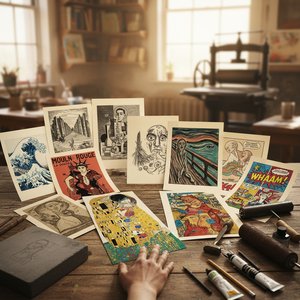
Objevte 10 legendárních litografií od Toulouse-Lautreca, Muncha a Picassa! Ponořte se do historie umění s WahooArt.cz a zkrášlete svůj domov reprodukcemi nejvýznamnějších děl. Prozkoumejte celou kolekci online.

Prozkoumejte 10 ikonických děl německého expresionismu od Muncha, Kirchnera a dalších. Objevte příběhy za obrazy plnými emocí a výrazných barev. Reprodukce umění nejvyšší kvality na WahooArt.com – inspirace pro váš interiér!

Objevte top 10 slavných obrazů v odstínech sieny! Prozkoumejte umění Van Gogha, Rembrandta a dalších mistrů. Inspirace pro váš interiér s reprodukcemi nejvyšší kvality na WahooArt.cz – obrazy do obývacího pokoje i další dekorace.

Objevte 10 ikonických uměleckých děl, které vyvolávají hluboké emoce radosti a pozitivní energie! Prozkoumejte příběhy Van Gogha, Moneta a dalších mistrů. Reprodukce obrazů nejvyšší kvality pro váš interiér na WahooArt.cz
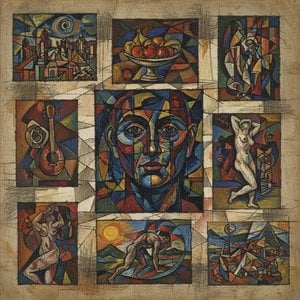
Prozkoumejte 10 ikonických děl kubismu a expresionismu od Picassa, Braquea a dalších. Objevte příběhy za uměleckými technikami a barevnými kompozicemi těchto mistrovských děl. Reprodukce obrazů pro váš interiér na WahooArt.com

 Náhled
 Sdílet
 Sdílet
 Podrobnosti o díle

 Stáhnout
 Podobné položky
 Rentgenové snímky
 Slideshow
 Zobrazit více







 Skleněná varianta je dostupná pouze u rozměrů menších než 110 cm


