Raný život Lucio Fontana
Abychom pochopili radikální posuny v abstrakci poloviny 20. století, musíme se podívat na specifické kořeny, ze kterých vyrostl Lucio Fontana. Narodil se 19. února 1899 v Rosariu v provincii Santa Fe v Argentině, a jeho identita byla vykována na průsečíku dvou světů. Byl italským sochařem, malířem a teoretikem narozeným v Argentině, což mu od samého počátku poskytlo dvojitou perspektivu na formę a prostor. Nebyl to náhodný rodokmen; byl synem sochaře Luigiho Fontany, muže, jehož profesionální zaměření na monumentální tvary poskytlo materiální základ pro pozdější Fontanaho narušování plátna.
Jeho raná léta byla definována blízkostí řemeslu a fyzickou tíhou sochařství. Vyrostl ve stínu prací svého otce, takže Lucio Fontana umění jen tak nesledoval; byl plně ponořen do technické reality jeho vzniku. Tato raná zkušenost s taktilní povahou materiálu ho nakonec dovedla k tomu, aby zpochybnil samotné povrchy, které se učil ovládat. Pohyboval se mezi Argentinou a Itálií, což mu zabránilo jakoukoli jednostrannou, statickou příslušnost k jedné tradici. V době, kdy vstoupil do dospělosti, napětí mezi jeho argentinskými kořeny a italským dědictvím již začalo formovat perspektivu, která odmítala zůstat v rámci hranic tradiční reprezentace.
Vzdělání a raný umělecký rozvoj
Technické základy, na kterých vyrostl Lucio Fontana, byly pevně zakořeněny v praktické práci sochaře. Svůj výcvik začal pod vedením svého otce, Luigiho Fontany, sochaře, který mu vnesl disciplínu nezbytnou pro práci s hmotou. Toto učení nebylo pouhým akademickým cvičením; byla to přímá imerze do mechaniky formy. Jeho raná léta byla poznamenána významným pohybem mezi Argentinou a Itálií. Po odjezdu do Itálie v roce 1905 v ní zůstal až do roku 1922, což je období, které ukotvilo jeho rozvoj v rámci evropské tradice, než se následně vydal na svou radikální cestu mimo zavedené konvence.
Přechod od řemeslného tréninku k formálnímu akademickému studiu nastal na milánské Akademii Brera. Mezi lety 1928 a 1930 studoval pod vedením Adolfa Wildta, což byla éra, která mu prohloubila chápání objemu a materiálu. Tato akademická přísnost vytvořila nezbytné napětí, proti němuž později jeho teorie vyústily v revoluční reakci. Do roku 1930 byla jeho přítomnost na milánské umělecké scéně potvrzena první výstavou, kterou uspořádala milánská galerie Il Milione. Tento debut naznačil nástup umělce, který ovládl tradiční pravidla sochařství a malby jen proto, aby se okamžitě začal ptát, zda jsou vůbec nezbytná.
Základy Spatialismu
Lucio Fontana se nesnažil pouze být součástí avantgardy; on ji transformoval a vytvořil zcela nový způsob existence umění v poválečné realitě. V roce 1946 autoroval Bílý manifest, dokument, který signalizoval definitivní odklon od statických omezení tradiční reprezentace. Nebyl to však pouhý teoretický cvičení. Šlo o přímou reakci na svět, který byl nevratně proměněn vědeckými a technologickými posuny. Pochopil, že umění musí evoluovat společně s objevem nových fyzikálních sil a s rostoucí mírou ovládnutí hmoty a prostoru. Již v roce 1946 bylo jeho vlivné působení ztělesněno skrze založení akademie Altamira v Buenos Aires.
Hnutí, které založil – Spatialismus – se snažilo integrovat skutečný prostor a čas přímo do samotného díla. V letech 1947 až 1952 napsal Lucio Fontana pět manifestů Spatialismu, které tento radikální posun kodifikovaly. Odmítl představu plátna jako plochého, uzavřeného povrchu. Místo toho se na něj začal dívat jako na prostor pro akci, jako na způsob, jak propíchnout bariéru mezi dvourozměrným malířstvím a trojrozměrným prázdnem. Byl to kalkulovaný zásah do obrazové roviny. Překročil iluzi hloubky, aby se napojil na skutečné, fyzické dimenze kosmosu.
- Bílý manifest (1946)
- Manifesty Spatialismu (1947–1952)
Techniky a umělecký styl
Fontanův přístup představoval přímý útok na tradiční dvourozměrnou rovinu. Pohnul se za hranice pouhé reprezentace, aby prozkoumal fyzický vztah mezi hmotou a prostorem. K tomuto cíli dospěl prostřednictvím záměrných, až násilných zásahů do médium. Pomocí specializovaného vrtáku vytvářel buchi (otvory), které fungovaly jako portály a narušovaly bariéru mezi povrchem a prázdnotou. Používal také prořezávaná plátna, kde pomocí žiletky vytvářel tagli, jež rozbíjíly vizuální pole. Nešlo o náhodné akty destrukce, ale o vypočítané metody, jak do díla vnést skutečný, třírozměrný prostor.
Jeho materiálové experimentování sahalo až k manipulaci s texturou a světlem. Často pokrýval povrchy hustým impastem a barevným sklem, aby vytvořil taktilní, fyzickou přítomnost. Pro prohloubení pocitu tajemna často podloží svých pláten pokrýval černou gázou, díky čemuž se za řezy objevovala temná, třpytivá hloubka. Do své tvorby integroval i moderní technologie a využíval neon, aby prozkoumal, jak světlo interaguje s prostorovými dimenzemi. Tato kombinace těžké, fyzické hmoty a prázdnoty neexistence definuje jeho unikátní vizuální jazyk.
Klíčová díla a sochařské úspěchy
Fontanaho raná tvorba odhaluje sochaře, který byl hluboce zanedbán fyzickou váhou svého média. V roce 1931 vytvořil Busto femminile, dílo, které zachycuje přechod od figurativní elegance směrem k radikálním prostorovým průzkumům, jež později definovaly jeho celou kariéru. Do roku 1934 jeho soustředění na materialitu pokračovalo s dílem Il fiocinatore. Tato raná díla demonstrují naprostou ovládnutí formy ještě předtím, než se rozhodl zcela rozložit samotný koncept objektu.
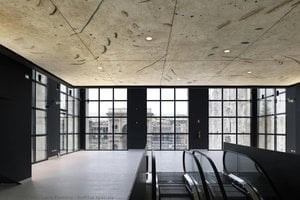
Následný posun směrem k Spatialismu vyžadoval odklon od tradiční reprezentace. Fontana začal přistupovat k plátnu i soše jako k místům fyzického narušení. Jeho Spatial Concept představuje přímé střetnutí s touto ideou, kdy využívá dřevo a kov k vytvoření napětí mezi pevnou hmotou a prázdnotou. Nebyl to pouze dekorativní gestem, ale strukturálním dotazem na podstatu prostoru. Tuto logiku rozšířil až do samotného prostředí s dílem Luce spaziale z roku 1951, neonovým stropem, který integroval světlo jako fyzickou součást celkového díla.
Jeho pozdější zkoumání prázdnoty dosáhlo svého vrcholu v polovině šedesátých let. Mezi lety 1963 a 1964 vytvořil Concetto spaziale, La Fine di Dio, dílo, které posunulo hranice jeho prostorových teorií. Tyto kusy jsou jasným důkazem, že jeho zájem nikdy neměl být o povrchu, ale o dimenzích existujících za ním.
- Busto femminile (1931)
- Il fiocinatore (1934)
- Luce spaziale (1951)
- Concetto spaziale, La Fine di Dio (1963–1964)
Dědictví a globální vliv
Dampak Lucio Fontana je nejjaselněji patrný v jeho přechodu k materiálnosti a redukci formy. Jeho neústupné lpění na tom, že má být plátno vnímáno jako fyzický objekt, nikoliv jako okno pro iluzi, položilo základy pro minimalismus. Tím, že se zbavil reprezentativního chaosu, vynutil konfrontaci s surovými vlastnostmi samotného média. Tento důraz na esenciální podstatu hmoty předpověděl i hlavní principy hnutí Arte Povera, zejména způsobem, jakým využíval nekonvenční materiály a zdůrazňoval fyzickou přítomnost díla v prostoru.
Jeho radikální přístup zůstává klíčovým bodem pro současné tvůrce instalace a konceptuálního umění. Vyšel za hranice dvourozměrné roviny, aby vstoupil do skutečných dimenzí místnosti, což byl krok, který předpověděl velkou část imerzivního umění, které dnes vidíme. Tím, že zacházel s prázdnotou jako s hmatatelným prvkem, změnil způsob, jakým umělci přistupují ke vztahu mezi objektem a jeho prostředím. Jeho dílo prostor pouze nezastupuje; ono jej aktivně zkoumá.
Odvaha bránit se zavedeným konvencím mu umožnila přehodnotit samotnou podstatu uměleckého vyjádření. Posunul umění od aktu ztvárňování směrem k aktu intervence. Tento posun od otázky, co dílo reprezentuje, k otázce, co dílo činí, zůstává fundamentálním konceptem v moderní praxi. Jeho vliv je patrný v každém díle, které upřednostňuje fyzické gesto a prostorovou realitu média před tradičním narativem.
Kde dnes spatřit jeho díly
Fyzická přítomnost Lucio Fontana v globálním muzeovním oběhu zůstává nesmírně významná. Abychom mohli skutečně pocítit dopad jeho prostorových intervencí, je třeba obrátit zrak k nejvýznamnějším institucionálním kolekcím. V New Yorku jsou jeho díla zastoupena v Metropolitan Museum of Art a v Solomon R. Guggenheim Museum. Tato místa poskytují nezbytný kontext pro pochopení toho, jak jeho prořezy a propíchnutí fungovaly v rámci evoluce moderní abstrakce. Jeho vliv je stejně patrný v Evropě, kde má trvalé zastoupení v Centre Pompidou v Paříži a ve Stedelijk Museum v Amsterdamu. Tyto instituce uchovávají materiální realitu jeho experimentů s hloubkou a prázdnotou.
Vědecká i estetická vazba na jeho tvorbu udržuje i benátská krajina prostřednictvím sbírky Peggy Guggenheim. Obraz jeho díla v těchto specifických prostředích umožňuje přímé střetnutí s texturou a fyzickými mezerami, které vytvořil. Jeho přítomnost v těchto městech zaručuje, že jeho teorie o prostoru a hmotě zůstávají součástí živého dialogu v dějinách současného umění. Následující díla představují konkrétní příklady jeho tvorby, které lze nalézt v různých sbírkách:


 Náhled v interiéru
 Sdílet
 Sdílet
 Podrobnosti o díle
 Průvodce

 Stáhnout
 Podobné položky
 Rentgenové snímky
 Slideshow
 Otázky a odpovědi
 Statistiky


 Zobrazit více
 Přepnout na tisk





































 Skleněná varianta je dostupná pouze u rozměrů menších než 110 cm