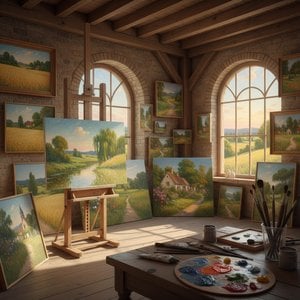
A Life Forged in Paint: The World of Lovis Corinth
Lovis Corinth, rozený jako Franz Heinrich Louis na 21. července 1858 v provincii Předprusko, byl umělec, který ztělesňoval turbulentní přechod od 19. do počátku 20. století ve světě umění. Jeho cesta nebyla cestou okamžitého uznání, ale postupným rozvojem poháněným neúnavným studiem, rozmanovými vlivy a nakonec osobní tragédií. Corinthovy začátky byly zakořeněny v venkovských krajinách jeho původu, Tapiau, kde jeho otec pracoval jako kovář. Tato raná zkušenost s fyzickou prací a divokou krásou přírody subtilně pronikala do jeho pozdějších děl, i když se nacházely mezi sofistikovanějšími stylistickými prozkoumáváním. Původně studoval na Akademii v Königsbergu v roce 1876, ale brzy si uvědomil, že akademická tradice sama o sobě nesplní jeho umělecké ambice. Následovala cesta za studiem, která ho zavedla do Mnichova, Antverp a nakonec Paříže – každé město sloužilo jako klíčový milník ve vývoji. V Mnichově absorboval pečlivou realističnost propagovanou Ludvígem von Löfftzem, zdokonalil své pozorovací schopnosti a osvojil si techniku. Antverpy ho uvedly do dramatické barokní intenzity Rubensa, zatímco Paříž vystavila ho rozvíjejícímu se impresionistickému hnutí, i když jeho počáteční reakce byla spíše opatrným pozorováním než okamžitým přijetím.
Od Naturalismu k Syntéze Stylů
Corinthův umělecký vývoj nebyl označen rychlými revolucemi, ale postupnou asimilací a syntézou rozmaných vlivů. Jeho raná tvorba se silně opírala o naturalismus, odrážející převládající akademické standardy doby. Malby jako "V ženci" (1878), s neúprosným zobrazením zvířecích mrtvol, demonstrují toto závazek k realistické reprezentaci, přesto i zde začíná objevovat se znovuzrozené emocionální napětí. Samotné téma – hrůzný a vrysová – naznačuje ochotu čelit nepříjemným pravdám, charakteristikou, která se stala stále důležitější v jeho pozdějších dílech. Jeho čas strávený studiem starověkých mistrů, zejména Rubensa, vložil do něj lásku k dynamické kompozici a expresivnímu štětci. Nicméně to, co ho skutečně transformovalo, bylo vystavení impresionismu – původně zpochybňovanému – které mu umožnilo integrovat tyto prvky do svého vlastního jedinečného vize. Nevytvořil si jen kopii rozbitého barvy a mihotavého světla Moneta nebo Renoea; místo toho tyto prvky začlenil do svého vlastního, německého citlivosti. Tato syntéza nakonec ho umístila mezi impresionismem a expresionismem, dvěma hnutími, která definovala umělecký пейзаж v počátcích 20. století.
Mistr Portrétů a Krajin
Corinthův umělecký vývoj nebyl lineární. Jeho rané dílo se zaměřovalo na realistické portréty, často zobrazující členy společnosti a známé osobnosti. Jeho práce s lidským výrazem a psychologií byla hluboká a detailní. V pozdějších letech se jeho tvorba rozvíjela směrem k krajinám, které odrážely jeho emocionální reakce na přírodu. Walchensee region v bavorských Alpách se stal pro něj zdrojem inspirace, který opakovaně zkoumal ve svých dílech. Tyto malby jsou charakterizovány jasnými barvami, dynamickým štětcem a pocitem divoké energie, která odráží Corinthovu vlastní vášnivou angažovanost s přírodou. Nebyl zájem o idylická zobrazení; spíše se snažil zachytit nedotčenou sílu a vnitřní dramatičnost krajiny.
Tragédie, Odvaha a Trvalé Závěsky
Klíčovým okamžikem Corinthova života – a možná i v jeho uměleckém vývoji – byl záchvat mozku, který utrpěl v prosinci 1911. Paralýza, kterou způsobil, ohrožovala konec jeho kariéry. Nicméně s neochvějnou odhodlaností a podporou své manželky Charlotte Berend-Corinth se naučil znovu malovat, přizpůsobil se svým fyzickým omezením a vyvinul ještě expresivnější styl. Tato doba znamenala obrat ve jeho tvorbě, protože jeho obrazy začaly být odvážnější, gestikulativnější a emocionálně nabitější. Přijal volnější štětec a zesílil barvy, předvídal tak mnoho stylistických inovací, které definovaly expresionismus. Jeho vliv se rozprostřel za hranice jeho samotné malby; byl také respektovaným učitelem a spisovatelem o umění, publikoval eseje jako "O naučení se malovat" v roce 1898, nabídl pohledy do své umělecké filozofie a technické přístup. Zastával funkci prezidenta Berlinského Secese od roku 1915 až do své smrti v roce 1925, propagoval progresivní umělecké myšlenky a podporoval živnou půdu pro kreativní komunitu. Lovis Corinthův dědictví nespočívá pouze ve svém pozoruhodném díle, ale také v jeho neochvějné závazku k umělecké integritě a schopnosti transformovat osobní tragédii na hluboký umělecký výraz. Zůstává klíčovou postavou v historii německého umění, mistr, který spojil dvě éry a zanechal nezapomenutelný otisk na generace umělců.
Klíčové díla a jejich význam
- V ženci (1878): Zřetelné realistické zobrazení zvířecích mrtvol, které demonstruje Corinthovu ranou technickou zdatnost a ochotu čelit znepokojivým tématům.
- Portrét (různá léta): Série portrétů, která nabízí fascinující kroniku umělcovy sebekonceptu a stylu.
- Walchensee série (různá léta): Kolekce krajin zobrazujících Walchensee region v Bavorsku, charakterizovaných jasnými barvami, dynamickým štětcem a emocionální intenzitou.



 Zobrazit v interiéru
 Přepnout na tiskové verze
 Odeslat
 Sdílet
 Podrobnosti
 Průvodce

 Stáhnout obrázek
 Podobné kousky
 Rentgenové snímky
 Slideshow
 Statistiky


 Přečíst si více






































 Skleněná varianta je dostupná pouze u rozměrů menších než 110 cm