Náhled v interiéru Náhled v AR Koupit ručně malovaný obraz Přepnout na digitální obraz Sdílet
Podrobnosti o díle Průvodce Přidat do oblíbených Stáhnout Podobné položky Rentgenové snímky Slideshow Statistiky

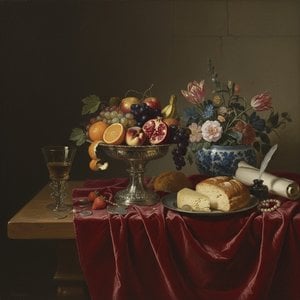
The Fruit and Vegetable Costermonger

Experience the vibrant beauty of Louise Moillon's 'The Fruit and Vegetable Costermonger'! This 1631 masterpiece showcases exquisite detail & rich colors, capturing a bustling Parisian market scene.

Objevte Louise Moillon: barokní malářku základek známou pro neuvěřitelnou detailnost a zářící kompozice ovoce. Prozkoumejte její elegantní díla z 17. století z Francie.

Giclée / Umělecký tisk

Giclée nebo plátěný tisk muzeální kvality s rychlou výrobou a širokou nabídkou povrchových úprav. ( Koupit ručně malovaný obraz Přepnout na digitální obraz)

Corner sample of the P118B picture frame: tvarovaný polystyren, 5 cm wide and 3 cm thick
P118B Kč10
Corner sample of the P118H picture frame: tvarovaný polystyren, 5 cm wide and 3 cm thick
P118H Kč10
Corner sample of the P118W picture frame: tvarovaný polystyren, 5 cm wide and 3 cm thick
P118W Kč10
Corner sample of the P438Z picture frame: tvarovaný polystyren, 5.5 cm wide and 3.5 cm thick
P438Z Kč10
Corner sample of the P508JH picture frame: tvarovaný polystyren, 7 cm wide and 3.5 cm thick
P508JH Kč12
Corner sample of the P508YH picture frame: tvarovaný polystyren, 7 cm wide and 3.5 cm thick
P508YH Kč12
Corner sample of the P805H picture frame: tvarovaný polystyren, 5 cm wide and 3.5 cm thick
P805H Kč10
Corner sample of the P805Z picture frame: tvarovaný polystyren, 5 cm wide and 3.5 cm thick
P805Z Kč10
Corner sample of the P919BZ picture frame: tvarovaný polystyren, 7 cm wide and 3.5 cm thick
P919BZ Kč10
Corner sample of the P919G picture frame: tvarovaný polystyren, 7 cm wide and 3.5 cm thick
P919G Kč10
Corner sample of the P919XJ picture frame: tvarovaný polystyren, 7 cm wide and 3.5 cm thick
P919XJ Kč10
Corner sample of the P959ZH picture frame: tvarovaný polystyren, 5 cm wide and 3 cm thick
P959ZH Kč10
Corner sample of the P968JZ picture frame: tvarovaný polystyren, 6 cm wide and 4 cm thick
P968JZ Kč12
Corner sample of the W106C picture frame: masivní dřevo, 5 cm wide and 3 cm thick
W106C Kč8
Corner sample of the W218G picture frame: masivní dřevo, 5 cm wide and 3 cm thick
W218G Kč10
Corner sample of the W218JH picture frame: masivní dřevo, 5 cm wide and 3 cm thick
W218JH Kč8
Corner sample of the W218Y picture frame: masivní dřevo, 5 cm wide and 3 cm thick
W218Y Kč10
Corner sample of the W307PJ picture frame: masivní dřevo, 6 cm wide and 3 cm thick
W307PJ Kč10
Corner sample of the W316G picture frame: masivní dřevo, 6 cm wide and 3 cm thick
W316G Kč10
Corner sample of the W316PJ picture frame: masivní dřevo, 6 cm wide and 3 cm thick
W316PJ Kč8
Corner sample of the W316Y picture frame: masivní dřevo, 6 cm wide and 3 cm thick
W316Y Kč10
Corner sample of the W398PJ picture frame: masivní dřevo, 5 cm wide and 3 cm thick
W398PJ Kč8
Corner sample of the W4111J picture frame: masivní dřevo, 6.5 cm wide and 3.5 cm thick
W4111J Kč10
Corner sample of the W500HY picture frame: masivní dřevo, 7 cm wide and 5 cm thick
W500HY Kč15
Corner sample of the W500JH picture frame: masivní dřevo, 7 cm wide and 5 cm thick
W500JH Kč15
Corner sample of the W692G picture frame: masivní dřevo, 8 cm wide and 4 cm thick
W692G Kč12
Corner sample of the W849H picture frame: masivní dřevo, 5 cm wide and 3 cm thick
W849H Kč8
Corner sample of the W940BG picture frame: masivní dřevo, 7.5 cm wide and 4.5 cm thick
W940BG Kč15
Corner sample of the W953PJ picture frame: masivní dřevo, 6 cm wide and 3.5 cm thick
W953PJ Kč8

Standardní velikost
na zakázku
CM
INCH

Vyberte si z našich přednastavených velikostí, které odpovídají původním proporcím díla.

šířka
výška

Zadejte šířku a výšku, které potřebujete pro váš rám nebo stěnu. Tisk lze pouze oříznout, nikdy však nelze zvětšit obraz nad jeho původní rozměr, proto při výběru jiného formátu dochází ke ztrátě části obrazu. Před samotným tiskem vám zašleme digitální náhled k schválení. Obraz zobrazený na této stránce nenabízí skutečný výřez — ten uvidíte pouze v náhledu.

Celosvětové doručení () do 2 týdnů namísto standardních 4/5 týdnů. (26 říjen)

Zdarma celosvětová expresní doprava
Vysoce kvalitní lněné plátno
Kompletní pojištění přepravy
Záruka vrácení celního poplatku
Záruka věrného barevného souladu
100dení lhůta pro vrácení zboží (pouze při vadách výroby)
100% záruka vrácení peněz
Sleva při více objednávkách

Celková cena

Kč 1456

The Fruit and Vegetable Costermonger

Giclée / Umělecký tisk

Rozměry reprodukce

-

Celková cena za vybrané možnosti reprodukcí

Kč 1456

Rychlé informace

  • Subject or theme: Market scene, produce
  • Title: The Fruit and Vegetable Costermonger
  • Movement: Baroque
  • Influences: Flemish painting
  • Medium: Oil on panel
  • Dimensions: 48 x 65 cm

The Fruit and Vegetable Costermonger: A Window into 17th-Century Parisian Life

Louise Moillon’s “The Fruit and Vegetable Costermonger,” painted in 1631, is more than just a still life; it's a vibrant snapshot of daily life in 17th-century Paris. This remarkable work, now housed within the Louvre Museum, offers a captivating glimpse into the bustling markets and social dynamics of a city undergoing significant transformation. Moillon’s masterful technique and keen observation elevate this seemingly simple scene to a level of profound artistic merit, revealing layers of symbolism and historical context that continue to intrigue art historians today.

Born into a family steeped in artistic tradition – her father, Nicolas Moillon, was himself a respected painter – Louise Moillon benefited from an early exposure to the principles of observation and representation. Raised within the Huguenot community of Saint-Germain-des-Prés, she inherited a sensibility that valued naturalism and detail, qualities deeply rooted in the artistic heritage of the Netherlands, where many of her family members had sought refuge. This background profoundly shaped her style, imbuing her paintings with an understated elegance and a meticulous attention to the textures and colors of everyday objects.

A Symphony of Color and Light

Moillon’s skill lies not just in her ability to depict fruit and vegetables realistically, but in her masterful manipulation of light and shadow – a technique known as *chiaroscuro*. The painting is dominated by a warm, diffused light that seems to emanate from an unseen source, bathing the table and its contents in a golden glow. This careful use of light not only enhances the visual appeal of the scene but also creates a sense of depth and volume, drawing the viewer into the heart of the market stall. Notice how she uses highlights to emphasize the smooth skin of the peaches, the glossy sheen of the oranges, and the delicate veins in the leaves – each detail rendered with exquisite precision.

The composition itself is carefully balanced, creating a sense of harmony and order amidst the apparent chaos of the market scene. The arrangement of the fruits and vegetables—the abundance of apples, the vibrant hues of the oranges, the contrasting textures of the broccoli—is deliberately asymmetrical, adding to the painting’s dynamism and visual interest. The inclusion of the two women, seemingly engaged in a transaction, subtly introduces an element of human interaction into this otherwise still-life tableau, grounding the scene in the realities of daily life.

Symbolism and Social Commentary

Beyond its aesthetic qualities, “The Fruit and Vegetable Costermonger” is rich in symbolic meaning. The presence of the costermonger – a street vendor selling fruits and vegetables—reflects the growing commercial activity in Paris during the 17th century. The painting can be interpreted as a commentary on the social hierarchy of the time, with the wealthy women observing the proceedings from their elevated position while the costermonger provides sustenance for the masses. The abundance of fruit and vegetables also carries symbolic weight, representing prosperity, fertility, and the bounty of nature – themes that were particularly resonant during a period marked by both religious upheaval and economic growth.

Furthermore, Moillon’s decision to depict these fruits and vegetables at their peak ripeness—without any signs of decay or spoilage—is noteworthy. This deliberate choice challenges the traditional *memento mori* (remember you must die) motif prevalent in Dutch still-life paintings of the era, which often featured decaying fruit as a reminder of mortality. Instead, Moillon celebrates the beauty and vitality of life, capturing a fleeting moment of abundance and pleasure.

A Timeless Masterpiece

“The Fruit and Vegetable Costermonger” stands as a testament to Louise Moillon’s artistic genius and her ability to capture the essence of a particular time and place. Her meticulous attention to detail, masterful use of light and shadow, and subtle symbolic meanings combine to create a work that is both visually stunning and intellectually stimulating. Today, this painting continues to captivate viewers with its vibrant colors, dynamic composition, and profound insights into the social and cultural landscape of 17th-century Paris – a timeless masterpiece that offers a unique window into the past.

Otázky a odpovědi

Je k dispozici vysokorozlišená verze ke stažení díla "The Fruit and Vegetable Costermonger"?

Digitální kopii díla „The Fruit and Vegetable Costermonger“ od Louise Moillon si můžete objednat jako stažení digitálního obrazu ve vysokém rozlišení na jeho stránce Digitální snímek.

Kde si mohu prohlédnout náhled díla "The Fruit and Vegetable Costermonger"?

Náhled díla „The Fruit and Vegetable Costermonger“ od Louise Moillon si můžete prohlédnout na stránce Náhled v prostoru.

Jaké barvy dominují dílu „The Fruit and Vegetable Costermonger“ od Louise Moillon?

Dílo „The Fruit and Vegetable Costermonger“ od Louise Moillon využívá paletu Earthy, přičemž hlavní barvou je Phthalo Green (#1c1919).


Biografie umělce

Tichý brilantní lesk Louise Moillon

V grandiózních, rozsáhlých narativech barokní éry, kde na plátno často vládne drama a pohyb, nabízí dílo Louise Moillon hlubokou a meditační alternativu. Moillonová se narodila v Paříži v roce 1610 a vyrostla ve světě formovaném intenzivními náboženskými a kulturními posuny 1vtého století ve Francii. Její samotný rodokmen vypráví příběh odolnosti a uměleckého dědictví; jako potomk hugenotských uprchlíků z Holandska byla hluboce ponořena do tradice, která si vážila pečlivého pozorování přírodního světa. Toto zázemí nebylo pouze rodinnou historií – nabídlo jí stylistický slovník zakořeněný v nizozemské mistrovství světla, textury a symbolického realismu.

Moillonův raný život byl poznamenán jak ztrátou, tak hlubokým uměleckým mentorstvím. Smrt jejího otce, krajináře a obchodníka Nicolase Moillona, nastala, když jí bylo pouhých deset let, což mohlo její cestu zcela změnit, přesto však její výchova zůstala hluboce zakořeněna v umění. Pod vedením svého nevlastního otce, François Garniera, zkušeného umělce a obchodníka, zdokonalila techniku, která se stala jejím ochranným znakem. Její vzdělávání nebylo pouze o nanášení pigmentu na plátno, ale o ponoření se do humanistických hodnot její doby, učení se vidět to božské v drobných detailech dozrávajícího ovoce nebo v jemném křivku okvětního lístku.

Mistrovství textury a světla

Skutečný génius Moillonové spočívá v její schopnosti proměnit to všední v něco mimořádného. Její kompozice jsou charakterizovány klidným nehybem, tichem, které vyzývá diváka k zastavení a pozorování. Disponovala téměř nadpřirozenou schopností zachytit hmatatelné vlastnosti svých témat – voskovou slupku citronu, jemný samet broskve nebo průsvitnou šťávu rozmačkané bobule. V dílech jako Still Life of Citrons and Curaçao Orantes in a White Polylobed Dish lze pocítit chladnou vlhkost ovoce v kontrastu s tvrdým, glazovaným povrchem porcelánu, což vytváří smyslový zážitek, který překračuje dvoudimenzionální rovinu.

Její technika byla hluboce ovlivněna naturalistickými tradicemi protestantských kruhů, ve kterých se pohybovala. Tento přístup upřednostňoval jasnost a přesnost před teatrálními stíny flamboyantnějších barokních mistrů. Místo toho Moillonová využívala světlo k modelování svých témat, přičemž používala jemné gradace tónů k vytvoření objemu a hloubky. Její paleta, ačkoliv se často soustředila na živé odstíny přírody, byla použita s takovou střídmostí, že každá barva působila luminičně, jako by byla osvětlena zevnitř. Toto mistrovství jí umožnilo překlenout propast mezi pouhou botanickou ilustrací a vysokým uměním, waarmeeňujíc každé dílo pocitem života a vitality.

Odkaz a historický význam

Během svého dlouhého života, který trval téměř devět desetiletí, dosáhla Moillonová úrovně slávy, která byla pro umělkyně její éry vzácná. Její schopnost získávat zakázky od prestižních patronů, včetně členů královského dvoru, svědčí o nepopiraté kvalitě a vybranosti její tvorby. Přestože se její práce často soustředily na intimní měřítko záložky, její dopad byl rozsáhlý a významně přispěl k rozvoji francouzské tradice tĩnhné kompozice.

Historický význam Louise Moillonové sahá daleko za hranice její technické zdatnosti; představuje vitalní spojovací článek mezi nizozemskou naturalistickou tradicí a rostoucí francouzskou estetikou 17. století. Její malby slouží jako okna do ztraceného světa pařížských trhů a soukromých zahrad, zachycující pocit hojnosti a pomíjivé krásy. Dnes zůstávají její díla vzácnými poklady v institucích jako je Louvre, a stojí jako trvalé svědectví života zasvěceného hledání toho mimořádného v tom, co je obyčejné. Její odkaz nacházíme v každém tahu štětcem, který oslavuje tichý, dechberoucí nádherný svět přírody.

Louise Moillon

Louise Moillon

1610 - 1696 , Francie

Rychlé informace o umělci

  • Artistic Movement Or Style: Barokní zátiší
  • Artists Or Movements Influenced By This Artist:
    • Michelangelo
    • Rafael
    • Tizian
  • Artists Who Influenced This Artist:
    • Isaac Moillon
    • François Garnier
  • Date Of Birth: Paříž, Francie (1610)
  • Date Of Death: 1696
  • Full Name: Louise Moillon
  • Nationality: Francouzská
  • Notable Artworks:
    • Košík meruněk
    • MÍSA S TŘESŇEMI, ŠVESTKAMI A MELONEM
    • Košík broskví s kvidly a švestkami
  • Place Of Birth: Paříž