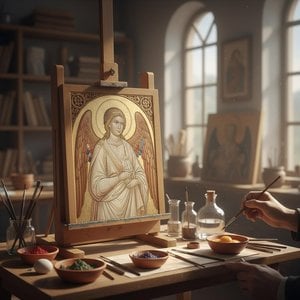
Biografie umělce
Vize florentského mnicha: Svět Lorenza Monaca
Lorenzo Monaco, narozený jako Piero di Giovanni kolem roku 1370 v Siene, zaujímá fascinující a klíčovou pozici v období přechodu od gotické elegance Trecenta k rostoucím ideálům renesančního Quattrocenta. Ačkoliv jsou biografické detaily vzácné, jeho umělecká cesta odhaluje poutavý příběh adaptace, inovace a hluboké spirituality. Jako učeň ve Florenci nasávl lekce mistrů jako Giotto, Spinello Aretino a Agnolo Gaddi – umělců, kteří položili základy narativní jasnosti a emocionální rezonance. Nicméně právě přijetí klášterního života v roce 1390, kdy se připojil k kambaldonskému řádu v Santa Maria degli Angeli, skutečně utvářelo jeho uměleckou identitu a vyneslo mu jméno, díky němuž je nejlépe znám: Lorenzo Monaco, neboli „Lorenzo mnich“. Toto odhodlání k kontemplativní existenci hluboce ovlivnilo charakter jeho díla a vdechlo mu introspektivní kvalitu a zaměření na devócionní témata.
Propojení gotické elegance s renesančními zvěstaviteli
Monacova raná díla, vznikající v 90. letech 14. století, prokazují mistrovskou ovládnutí stylu mezinárodní gotiky, který byl tehdy rozšířen po celé Evropě. Tyto malby jsou charakteristické svou vyváženou elegancí, jemným linearismem a paletou, která byla v počátcích v rámci svého chromatického rozsahu spíše střídmá. Přesto i v tomto zavedeném rámci se již začínají objevovat náznaky jeho individuálního uměleckého hlasu. Nasával vlivy svých současníků, jako byli Lorenzo Ghiberti a Gherardo Starnina, a začal do svých děl začleňovat prvky jejich sofistikovaných kompozic a důraz na detail. V průběhu času se Monacův styl vyvinul a stal se stále více typickým pro protáhlé postavy oděné v sinuózních, splývavých šatech, preferenci ostrých hran a zářivých barev – zejména luxusních odstínů zlata a lapis lazuli – a jemné, téměř éterické kvalitě světla. Jeho gesta jsou často nenápadná, naznačují vnitřní emoci spíše než její otevřené zobrazení, a jeho prostorové uspořádání má tendenci být ploché, upřednostňující symbolický význam před přísným realismem. Neustále se snažil zobrazovat scény protkané silnou duchovní hodnotou a často se distancoval od snahy o čistě naturalistickou reprezentaci.
Mistrovská díla víry a umělecké inovace
Šíře Monacovy umělecké tvorby je ohromující a zahrnuje tabulové malby, fresky i iluminované rukopisy. Pietà, uložená v florentské Galleria dell'Accademia, stojí jako svědectví jeho raného mistrovství a vykazuje nervozitu v liniích a hmatatelný pocit emocionálního napětí. Velkolepá Korunace Panny Marie, která nyní zdobí Galerii Uffizi, je příkladem jeho zralého stylu – živoucí tkaniny svatých vykreslených pomocí sinuózních forem a oslnivých barev. Polyptych z Monteoliveto, rovněž v Galleria dell'Accademia, odhaluje hlubokou spiritualitu, která předznamenává díla Fra Angelica. Možná jedním z jeho nejuznávanějším úspěchů je Adorace Mudrců (1420–1422), kde jeho inovativní použití zkratu, ač nedostatká přísné geometrické perspektivy, vytváří poutavou a vizuálně nápadnou kompozici. Jeho fresky v kapli Bartolini Salimbeni představují jedno z mála dochovaných nástěnných děl, které nabízejí pohled na jeho schopnosti jako dekorátora velkých rozměrů. Tato díla prokazují nejen technickou brilanci, ale také hluboké porozumění teologickému symbolismu a odhodlání předávat náboženské příběhy s jasností a grácií.
Most mezi érami
Navzdory revolučním uměleckým proudům, které během jeho života přeháněly Florenci – zejména průlomovým inovacím Masaccia a Filippo Brunelleschiho v oblasti perspektivy a naturalismu – zůstal Lorenzo Monaco těmito vývoji z velké části nedotčen. V neochvějnosti si udržel svůj odlišný styl a vybudoval jedinečnou cestu, která překlenula propast mezi pozdně gotickými tradicemi a vznikající renesanční estetikou. Giorgio Vasari ve svých Životopisech umělců uznal Monacův talent, přičemž zaznamenal jeho předčasný úmrtí na neidentifikovanou infekci kolem roku 1425. Ačkoliv jsou biografické detaily omezené, jeho přínos do historie umění je nepopiratelný. Stojí jako poslední významný exponent stylu Giotta, který uchoval jeho odkaz a zároveň začlenil prvky předznamenávající budoucí umělecké transformace. Jeho důraz na spiritualitu, stylizované formy a vyváženou eleganci představuje odlišnou estetiku v rámci florentinského malířství a zanechal nesmazatelnou stopu na následujících generacích umělců.
Odkaz a trvalý vliv
Monachovo dílo i nadále fascinuje diváky svou jemnou krásou, hlubokou pobožností a subtilními inovacemi. Nebyl to revolucionář ve smyslu Masaccia, ale jeho přínos spočívá v jeho schopnosti syntetizovat existující tradice do harmonického a hluboce osobního stylu. Dokázal, že umělecká excelence může rozkvétat i v rámci zavedených konvencí a obohacovat je individuální expresí a duchovní hloubkou. Jeho vliv lze vidět v díle pozdějších umělců, kteří si vážili jeho rafinované techniky a devócionční citlivosti. Dnes jeho malby slouží jako nepostradatelná okna do klíčového okamžiku v dějinách umění – doby přechodu, experimentování a nesmrtelné síly víry vyjádřené skrze uměleckou vizi.



 Zobrazit v interiéru
 Přepnout na tiskové verze
 Odeslat
 Sdílet
 Podrobnosti
 Průvodce

 Stáhnout obrázek
 Podobné kousky
 Rentgenové snímky
 Slideshow
 Statistiky


 Přečíst si více






































 Skleněná varianta je dostupná pouze u rozměrů menších než 110 cm