BEZPLATNÉ UMĚLECKÉ PORADENSTVÍ
x
Koupě vysoce rozlišeného, vylepšeného digitálního obrazu, který je mnohem kvalitnější než online náhled.
Každý soubor je pečlivě připraven našimi odborníky pomocí pokročilých nástrojů a expertní manuální retuše. Zajišťujeme, aby každý obraz disponoval výjimečnou ostrostí, přesnou barevnou věrností a jemnými detaily.
Finální soubor vám bude do 72 hodin zaslán e-mailem, optimalizovaný pro okamžité použití v profesionálním, redakčním i tiskovém prostředí. Nabízíme stejnou kvalitu, které důvěřují špičková designová studia, nakladatelství i galerie.
Stáhněte si soubor ve vysokém rozlišení pro osobní prohlížení, tisk a kreativní projekty.
Když si vyberete WahooArt.com, nezískáváte pouze obrázek – získáváte digitální umělecké dílo s profesionálně vylepšenými detaily, zpracované s precizností a podpořené zárukou za spokojenost. Zde je vše, co vaše objednávka automaticky obsahuje:
Váš digitální obraz ve vysokém rozlišení vám bude zaslán e-mailem do 72 hodin od objednávky – připraven k okamžitému použití.
Vaše umělecké dílo je profesionálně optimalizováno pomocí pokročilých nástrojů umělé inteligence a manuální úpravy, což zajišťuje maximální úroveň detailu, ostrosti a přesnosti barev.
Soubor jste omylem smazali nebo ztratili? Žádný problém – kdykoliv vám ho znovu zašleme zcela zdarma.
Užijte si své umělecké dílo okamžitě bez celních poplatků, daní nebo nákladů na dopravu – digitální stažení je vždy bez daňových povinností.
Pomocí profesionálních nástrojů a správy barev zajišťujeme, aby váš digitální obraz odrážel původní barvy co nejvěrněji.
Pokud nebudete s digitální fotografií spokojeni, provedeme její revizi nebo vám vrátíme 100% během 60 dnů – bez jakýchkoliv dotazů.
Nespokojeni? Získejte plnou částku zpět do 60 dní od přijetí vašeho digitálního souboru – bez jakýchkoliv dotazů.
Koupěte si 3 obrazy, ušetřete 10% - Koupěte si 5, ušetřete 15% - Koupěte si 10+, ušetřete 20%. Ideální pro kreativní projekty, galerie a agentury.
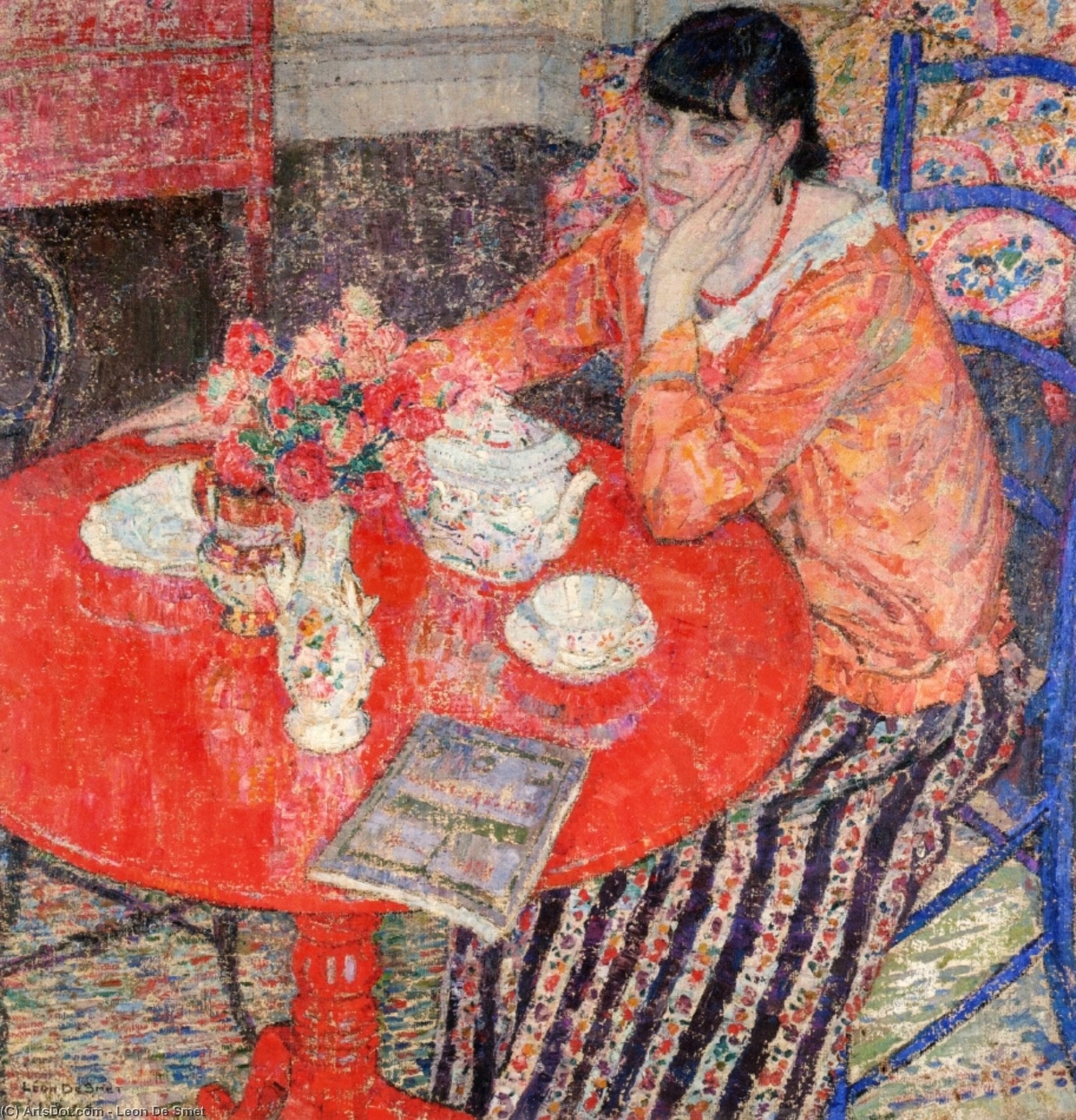
Leon de Smet (1881-1966) wasn’t merely a Belgian painter; he was a translator of eras, seamlessly blending the grandeur of the Renaissance with the burgeoning spirit of modernism. Born in Ghent, into a family steeped in artistic tradition – his father a set decorator and photographer, his brother Gustave also pursuing a career as an artist – de Smet's early life provided him with a unique foundation for his future explorations of light, form, and atmosphere. His training at the Royal Academy of Fine Arts in Ghent, while perhaps not marked by fervent enthusiasm (as his brother’s trajectory suggests), nonetheless instilled him with fundamental techniques and a deep appreciation for artistic history.
De Smet's early work reveals an immediate engagement with Impressionism, heavily influenced by the Luminist movement spearheaded by Emile Claus. This initial phase is characterized by a delicate handling of light and color, capturing fleeting moments and atmospheric effects with remarkable sensitivity. However, it was not long before he began to push beyond mere imitation, seeking to synthesize his influences into a distinctly personal style. The pivotal moment in this evolution arrived with his encounter with Henri Le Fauconnier, an Expressionist painter who introduced de Smet to the bolder, more emotionally charged techniques of the movement. This shift marked a significant departure from the Luminism that had initially defined his work, paving the way for a richer and more complex artistic vocabulary.
De Smet’s most celebrated period unfolded during his time in Italy, particularly in Mantua and Florence. These experiences proved transformative, igniting within him a profound fascination with the art of the High Renaissance. He meticulously studied the works of artists like Andrea del Verrocchio and Leonardo da Vinci, absorbing their mastery of perspective, anatomy, and composition. This deep immersion resulted in a series of paintings that deliberately evoke the spirit of the Renaissance – not through slavish imitation, but rather through a careful selection of motifs, color palettes, and compositional devices.
Works like “Interior” exemplify this revival. The painting’s warm, inviting atmosphere, reminiscent of a wealthy merchant's home, is achieved through a masterful use of impasto – thick layers of paint applied with visible brushstrokes – that create a tactile sense of texture and depth. The figures are rendered with a classical elegance, their poses imbued with a quiet dignity and grace. De Smet’s ability to capture the subtle nuances of light and shadow, combined with his meticulous attention to detail, creates an illusion of realism that is both captivating and profoundly moving.
Despite his embrace of Renaissance ideals, de Smet never abandoned the influences that had shaped his artistic development. His work remains a fascinating synthesis of various styles – Luminism, Impressionism, and even elements of Cubism. The Luminist’s emphasis on capturing fleeting moments and atmospheric effects is evident in his landscapes, while the Impressionists' use of color and brushwork contributes to the vibrancy and immediacy of his paintings. And yet, there are also hints of Cubism in his flattened perspectives and fragmented forms, particularly in works depicting urban scenes and interiors.
This eclectic approach is most strikingly evident in his later years, as he settled in Deurle and began experimenting with new techniques. His subjects shifted to include circus performers, fairground attractions, and village life – scenes that he rendered with a distinctive blend of realism and abstraction. These paintings are characterized by bold colors, dynamic compositions, and a sense of theatricality that reflects the artist’s lifelong fascination with spectacle and illusion.
Leon de Smet's artistic legacy is one of quiet brilliance and enduring appeal. While he may not be as widely recognized as some of his contemporaries, his paintings possess a unique charm and sophistication that continues to captivate viewers today. His ability to seamlessly blend Renaissance ideals with modern sensibilities, coupled with his masterful technique and evocative imagery, has secured his place as one of Belgium’s most important artists of the 20th century. His work is held in several public collections, including the Municipal Museum Gustave de Smet in Sint Martens-Latem, a testament to his lasting contribution to the world of art.
1881 - 1966 , Belgium
Sdělte nám více o svém projektu a naši odborníci na umění vám připraví 3 personalizované návrhy uměleckých děl.
Nechť pro vás vybereme 3 možnosti – zdarma!