Získejte soubor připravený k tisku, který svou kvalitou výrazně převyšuje webový náhled. Každý prodávaný digitální obraz pochází z vysokorozlišeného originálu v naší databázi – obvykle o šířce 5 000 až 15 000 pixelů – díky čemuž můžete tisknout ve velkém formátu, provádět těsný střih nebo si s jistotou užít i ty nejjemnější detaily.
Žádný soubor neopustí naše studio bez úprav. Digitální expert kontroluje barvy v porovnání s původním malířským dílem a v případě potřeby je upravuje, poté pomocí profesionálních nástrojů pro retuš zvyšuje ostrost a detailnost — přičemž vždy zůstává věrný tahům štětcem a stylu umělce. Výsledkem je obraz, který vypadá jako malba, nikoliv jako naskenovaný snímek s filtrem.
Schvalování před dokončením: náš expert vám do 72 hodin zašle obraz e-mailem k revizi. Nejsste spokojeni? Můžete požádat o úpravy či opravy, nebo si můžete vyžádat vrácení peněz, pokud kvalita neodpovídá vašim očekáváním.
Tuto kvalitu využívají vydavatelství, designová studia, galerie i tiskárny.
Stáhněte si soubor ve vysokém rozlišení pro osobní prohlížení, tisk nebo kreativní projekty. ( Přepnout na tisk Koupit ručně malovaný obraz)
Když si vyberete WahooArt.com, nezískáváte pouze obrázek – získáváte digitální umělecké dílo s profesionálně vylepšenými detaily, zpracované s precizností a podpořené zárukou za spokojenost. Zde je vše, co vaše objednávka automaticky obsahuje:
Váš digitální obraz ve vysokém rozlišení vám bude zaslán e-mailem do 72 hodin od objednávky – připraven k okamžitému použití.
Vaše umělecké dílo je profesionálně optimalizováno pomocí pokročilých nástrojů umělé inteligence a manuální úpravy, což zajišťuje maximální úroveň detailu, ostrosti a přesnosti barev.
Soubor jste omylem smazali nebo ztratili? Žádný problém – kdykoliv vám ho znovu zašleme zcela zdarma.
Užijte si své umělecké dílo okamžitě bez celních poplatků, daní nebo nákladů na dopravu – digitální stažení je vždy bez daňových povinností.
Díky profesionálním nástrojům a správě barev zajišťujeme, aby váš digitální obraz odrážel původní barvy co nejvěrněji.
Pokud nebudete s digitálním obrázkem spokojeni, provedeme jeho revizi nebo vám vrátíme 100% platby do 100 dnů – bez jakýchkoliv dotazů.
Nespokojeni? Získejte plnou náhradu peněz do 100 dnů od obdržení digitálního souboru – bez zbytečných dotazů.
Koupě 3 obrazů ušetří 10% – Koupě 5 obrazů ušetří 15% – Koupě 10+ obrazů ušetří 20%. Ideální pro kreativní projekty, galerie a agentury.
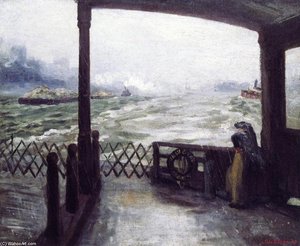
Keltie Ferris's "The Wrestler" is not merely a depiction of a solitary figure; it’s an immersive exploration of vulnerability, resilience, and the lingering echoes of performance. Painted in 2009, this arresting work immediately draws the viewer into a world rendered with a deliberate ambiguity – a purple canvas punctuated by bursts of yellow and red that feel both chaotic and intensely focused. The distorted figures surrounding the central subject suggest a fragmented memory, perhaps reflecting the blurred lines between reality and the constructed persona of a professional wrestler.
Ferris’s technique is characterized by a bold use of color and an embrace of abstraction. The vibrant purple background isn't simply a backdrop; it actively participates in the narrative, potentially representing the emotional weight carried by the subject. The yellow and red accents – reminiscent of stage lighting or perhaps even the adrenaline rush of competition – heighten the dramatic tension. The abstracted forms of the surrounding individuals contribute to a sense of unease and disorientation, mirroring the psychological strain often associated with demanding physical labor and public performance. This approach aligns with a broader trend in contemporary art that challenges traditional representational accuracy, prioritizing emotional impact over photographic realism.
The inclusion of an umbrella within the composition is particularly intriguing. It could be interpreted as a shield against the harsh realities of the wrestler’s life – a protection from both physical blows and the judgmental gaze of the audience. Alternatively, it might symbolize the fleeting nature of fame and fortune, offering only temporary respite. The central figure itself embodies a stoic strength despite its apparent vulnerability. The posture, the weariness in the eyes (implied through the technique), speaks to years of grueling training and public exposure. It’s a portrait not just of a wrestler, but of someone who has endured.
Keltie Ferris emerged as an artist during a period of significant artistic experimentation, influenced by the rise of conceptual art and a renewed interest in exploring themes of identity and representation. While not directly aligned with Kehinde Wiley’s explicitly historical portraiture, Ferris shares a commitment to challenging conventional notions of beauty and heroism. Her work invites viewers to contemplate the hidden costs of ambition, the complexities of performance, and the enduring human need for connection – even within moments of isolation.
Mezi zaznamenaná témata umělce Keltie Ferris – tedy wiley’s narrative reclaiming, black subject representation”, “historical cultural references”, “visual intrigue complexity”, ferris's artistic expression"]} – přináší dílo „The Wrestler“ specifické zaměření na wrestling, purple background, umbrella, abstract figures, artistic intrigue, contemporary art, keltie ferris.
„The Wrestler“ je dílo v technice Acrylic On Canvas v rámci stylu Contemporary Realism.
Autorem díla „The Wrestler“ je Keltie Ferris. Práce je v katalogu uvedena pod jménem Keltie Ferris.

Born in Louisville, Kentucky, Keltie Ferris has emerged as a profound voice in contemporary American abstraction, crafting works that feel less like static images and more like living, breathing entities. His journey through the world of fine art is marked by an extraordinary expansion of what it means to apply medium to canvas. Educated at the Nova Scotia College of Art and Design, where he earned his BFA, and later at the Yale School of Art, where he received his MFA in 2006, Ferris has spent his career investigating the very boundaries of the painterly process. Currently living and working in Brooklyn, New York, his practice is a continuous exploration of light, space, and the physical relationship between the creator and the creation.
The essence of Ferris’s work lies in its ability to vibrate with an almost electric energy. His canvases often present a multidimensional world where pixelated backgrounds meet atmospheric foregrounds, creating a perceptual depth that challenges the viewer's vision. This technique, which some have described as having a "vibrant chromatic electricity," draws from a diverse array of influences ranging from pointillism and graffiti to digital pixelation. Whether he is utilizing spray guns to create soft, blurred edges or employing palette knives to build thick, sculptural impasto, the result is always a sense of movement—a feeling that the colors are in a state of constant flux and transformation.
What truly distinguishes Ferris within the landscape of modern abstraction is his radical approach to the application of paint. He does not merely use tools; he often uses himself. In a series of deeply personal works, Ferris has utilized his own body as a brush, covering himself in natural oils and pigments before pressing against the canvas. This method of creating body prints serves to literalize the connection between the artist’s identity and the resulting imagery, making the act of painting an intensely physical and autobiographical performance. This visceral approach is complemented by his use of erasure, where he wipes away layers of paint to reveal hidden histories beneath the surface, adding a layer of complexity to his compositions.
His stylistic evolution has seen him move through various experimental phases, including:
The impact of Ferris’s work is felt in the prestigious institutions that house his creations. His paintings have been recognized for their ability to capture energy rather than mere emotion, a sentiment echoed by his mentors. The significance of his contribution to contemporary art is cemented by his inclusion in permanent collections such as The Saatchi Gallery in London, the Kemper Museum of Contemporary Art in Kansas City, and the Nerman Museum of Contemporary Art. These accolades reflect a career dedicated to pushing the limits of the medium and inviting viewers into a space where light, color, and the human form converge in a spectacular, unrepeatable dance.

1977 -
 Náhled v interiéru
 Sdílet
 Sdílet
 Podrobnosti o díle
 Průvodce

 Stáhnout
 Podobné položky
 Rentgenové snímky
 Slideshow
 Otázky a odpovědi
 Statistiky


 Zobrazit více