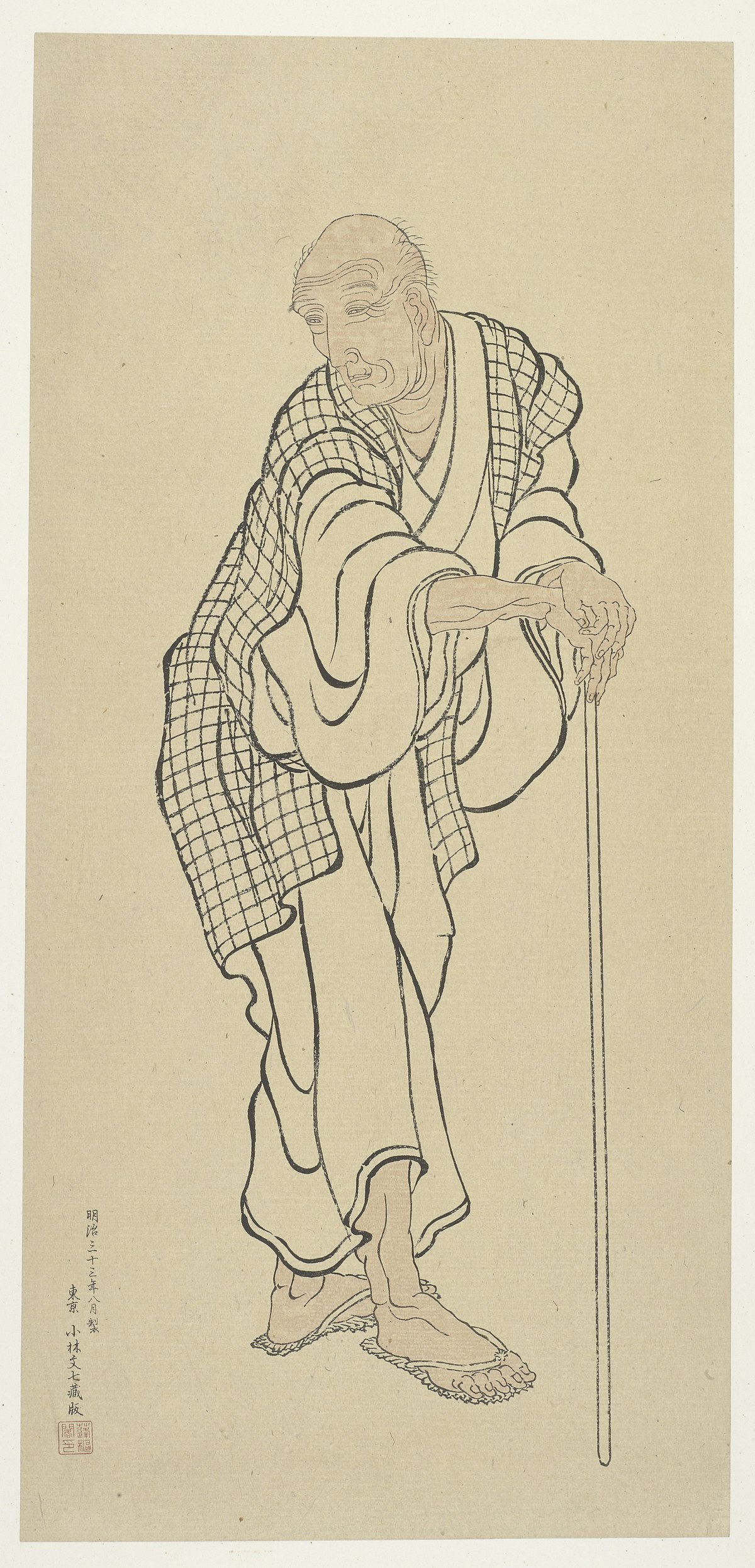
Katsushika Hokusai: Život a Dědictví Japonského Mistra
Katsushika Hokusai, jméno synonymum s japonským uměním a ikonickým obrazem *Velká vlna u Kanagy*, byl mnohem víc než jen tiskárce. Narodil se v Edo (moderní Tokio) kolem roku 1760 a jeho život byl neustálou snahou o umělecké mistrovství, neustálou evolucí poznamenanou měnícími se jmény a nezastavitelivou zvědavostí. Z pouhých začátků jako syna zrcadlaře, Hokusaiho raná afinitu k umění nenabídli okamžitě povzbuzení; přesto si neúnavně zdokonaloval své dovednosti, údajně začal kreslit ve věku šesti let. Tato oddanost definovala kariéru trvající téměř devět desetiletí a zanechala dědictví, které rezonuje s publikem po celém světě. Jeho otec, Nakajima Ise, i když sám nebyl umělec, možná podporoval toto rané talentované dítě, položil základy cesty, která transformovala japonskou vizuální kulturu. Raný život Hokusaiho nebyl poznamenán privilegiemi, ale spíše strmým vzestupem poháněným ambicí a hluboce zakořeněnou vášní k zachycení podstaty světa kolem něj.
Od Učitelského Stolu k Inovaci: Rozkvět Stylu
Hokusaiho formální umělecké vzdělání začalo ve věku dvanácti let, kdy vstoupil do dílny Katsukawa Shunshóa, vedoucího mistra *ukiyo-e* – „obrazů plovoucího světa“. Tento žánr, populární v období Edo, zobrazoval scény z každodenního života: herce, kurtezány, krajiny a náznaky pulzující městské kultury. Pod Shunshóovým vedením Hokusai osvojil techniky dřevotisků, náročný proces vyžadující přesnost a umění. Nicméně nebyl spokojen s pouhým replikováním učitelova stylu. I v raných dílech byl patrný neklidný duch, touha po prolomení hranic a prozkoumávání nových forem projevu. Experimentoval s různými předměty, od ilustrací knih až po samostatné tisky, neustále zdokonalujíc své dovednosti a vyvíjející jedinečnou vizuální řeč. Tato éra také přinesla první z mnoha jmenových změn – běžná praxe mezi umělci *ukiyo-e*, která signalizovala období umělecké inovace nebo spojení s různými školami. Nejprve se zaměřoval na ilustrace knih, což mu poskytlo stabilní práci a umožnilo vyvinout si dovednosti v oblasti kompozice. Ale jeho přesun k samostatným tisknům skutečně uvolnil jeho kreativní potenciál.
Fuji a Plovoucí Svět: Klíčové Mistrovskédíla
Hokusaiho umělecké produkce byla ohromující – tisíce dřevotisků, obrazů a ilustrovaných knih nesly jeho podpis. Zatímco prozkoumal širokou škálu témat, jeho série *Třicet šest pohledů na horu Fuji* (přibližně 1831) upevňovala jeho pověst. Tato sbírka, včetně ikonického *Velké vlny u Kanagy*, nebyla pouhým zobrazením krajiny; byla to mistrovské prozkoumávání perspektivy, kompozice a síly přírody. Vlna samotná, ohromující síla o kousek od rozbití malých lodí, symbolizuje jak krásu, tak hrůzu moře. Kromě *Fuji* díla jako *Ohnivá show na mostě Ryōgoku* (1790) ukazovala jeho schopnost zachytávat dynamické scény z každodenního života s úžasnou energií a detaily. Jeho *Hokusai Manga* – sbírka studií a skic zahrnující lidi, zvířata, krajiny a fantastická stvoření – byla průlomová ve své rozsahu a vlivu, předznamenávající vývoj moderního manga jako uměleckého média. Tato díla nebyla izolovanými úspěchy; byly milníky v neustálém uměleckém putování, přičemž každý stavěl na předchozím, aby vytvořil dílo, které je hluboce zakořeněné v japonské tradici a zároveň pozoruhodně inovativní.
Vlivy a Inspirace
Hokusaiho umělecká cesta byla ovlivněna mnoha zdroji. Kromě tradičních *ukiyo-e* stylů, které se učil od Shunshóa, studoval i čínské krajinomalby, které mu poskytly inspiraci pro zachycení krásy přírody a důraz na harmonii s okolním světem. Důležitým vlivem byly také evropské grafiky, zejména nizozemské vodní barvy, které se dostaly do Japana. Hokusai byl fascinován technikami perspektivy a detailu, které tyto grafiky používaly, a začal je integrovat do svých vlastních prací. Jeho zájem o nové technologie a metody vedl k experimentování s novými materiály a technikami, což přispělo k jeho inovativnímu stylu.
Změny Jména a Umělecké Evoluce
Hokusai používal během svého života více než třicet jmen, každé z nich odráželo nový fázový vývoj v jeho uměleckém vyjádření. Často se sám označoval jako "Gakyō Rōjin," nebo „starý malíř šílený malovat,“ vhodný titul pro umělce, který zůstal neochvějně oddán svému řemeslu až do svých devadesáti let. Tato neustálá snaha o dokonalost, spojená s jeho inovativním duchem a hlubokým porozuměním jak japonské tradici, tak širšímu světu, upevňovala jeho místo jako skutečného mistra *ukiyo-e* a klíčové postavy v historii umění. Jeho dílo nadále okouzluje publikum, připomíná nám sílu umění překračovat kulturní hranice a spojovat nás s něčím větším než my sami.
- Hlavní vlivy: Tradiční *ukiyo-e* styly, čínské krajinomalby, každodenní život v Edo.
- Klíčové charakteristiky: Silné linky, živé barvy, dynamické kompozice, pozornost k detailu a pozorování přírody.



 Zobrazit v interiéru
 Přepnout na tiskové verze
 Odeslat
 Sdílet
 Podrobnosti
 Průvodce

 Stáhnout obrázek
 Podobné kousky
 Rentgenové snímky
 Slideshow
 Statistiky

 Přečíst si více






































 Skleněná varianta je dostupná pouze u rozměrů menších než 110 cm