Biografie umělce
A Spanish Visionary of Cubism: The Life and Art of Juan Gris
José Victoriano González-Pérez (23. března 1887, Madrid, Španělsko – 11. května 1927, Boulogne-Billancourt, Francie), známější jako Juan Gris, byl španělský malíř a sochař. Většinu života strávil ve Francii. Jeho dílo je úzce spjato s kubismem, hned poté se stává klíčovým představitelem syntetického kubismu. Jeho tvorba je charakteristická neobvyklou kombinací geometrie a barev, která ztělesňuje moderní vnímání prostoru a formy.
Život a rané roky
Narodil se v Madridu, kde mezi lety 1902 a 1904 studoval technické kreslení na Escuela de Artes y Manufacturas (škola umění a řemesel). Během této doby kreslil do místních novin. Od roku 1904 do 1905 se věnoval malířství pod vedením akademického malíře José Maria Carbonera, což mu poskytlo pevné základy v tradičních technikách. V roce 1905 si zvolil pseudonym Juan Gris, který zněl více osobně a odpovídal jeho rostoucímu uměleckému záměru. V téže době se přestěhoval do Paříze, kde začal navštěvovat galerie a setkávat s dalšími umělci.
V roce 1906 se Gris rozhodl pro život v Paříži, což bylo klíčové pro jeho pozdější umělecký rozvoj. Zde se stal součástí živé pařírské umělecké scény, kde navštěvoval galerie, setkával s významnými osobnostmi a začal experimentovat s novými směry v malířství. Mezi jeho přátele patřili Henri Matisse, Georges Braque a Fernand Léger – tito muži se stali inspirací pro jeho budoucí tvorbu. V roce 1909 se stal otcem, když Lucie Belin porodila jeho syna George Gonzalez-Gris. Rodina žila v Bateau-Lavoir, známém pařížském uměleckém sídle, až do roku 1922.
Parisian Awakening a Embracing Cubism
V roce 1906 se Gris rozhodl pro život v Paříži, což bylo klíčové pro jeho pozdější umělecký rozvoj. Zde se stal součástí živé pařírské umělecké scény, kde navštěvoval galerie, setkával s významnými osobnostmi a začal experimentovat s novými směry v malířství. V roce 1910 se Gris začal vážně věnovat malbě, odklánějíc se od satirického ilustrování a zaměřujíc se na formování vlastního kubistického stylu. Jeho rané práce byly charakterizovány odklonem od tradiční reprezentace, s důrazem na abstrakci jako prostředek k zachycení podstaty tvaru a prostoru. Jeho vliv byl silně ovlivněn Pablem Picassovým dílem, který se stal jeho blízkým přítelem a mentorem.
The Geometry of Perception: Style and Key Works
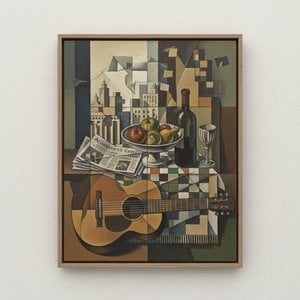
Juan Gris’s artistic output is characterized by an exceptional clarity and intellectual rigor. He didn't simply deconstruct objects; he reconstructed them with deliberate precision, emphasizing geometric forms and a carefully considered palette. This approach led to what became known as his “crystal period,” exemplified in masterpieces like *Still Life Before an Open Window* (1915) and *Place Ravignan* (1915). These works showcase a remarkable interplay of planes and angles, creating a sense of depth and solidity while simultaneously challenging conventional notions of perspective. Gris se nejprve soustředil na analytický kubismus, který byl v té době novým a inovativním směrem v umění. Později se však přikláněl k syntetickému kubismu, ve kterém začal používat papír koláž (papier collé), čímž integroval do svých děl reálné materiály, jako jsou novinové výstřižky a textury. Tato technika přidala další vrstvu složitosti a taktnosti jeho dílům.
Mezi klíčová díla z této doby patří *Guitar in front of the sea* (1925), který demonstruje jeho zjednodušené tvary a dodržování kubistických principů, a *Homage à Pablo Picasso* (1912), které signalizovaly jeho rostoucí uznání v avantgardním uměleckém světě. Gris se snažil zachytit realitu ne pouze jako reprezentaci, ale i jako strukturu, kterou lze rozkládat a znovu sestavovat pomocí geometrických tvarů a barev.
Influence and Legacy
Juan Gris byl klíčovou postavou kubismu, který ovlivnil mnoho umělců po celém světě. Jeho práce se stala inspirací pro Puristický styl, který propagoval Amédée Ozenfant a Charles Edouard Jeanneret (Le Corbusier). Grisova preference pro jasné a uspořádané formy, harmonické barevné palety a integrace každodenních objektů do jeho umění z něj udělala významnou postavu v 20. století. Jeho dílo se stalo symbolem moderního umění a jeho vliv je patrný dodnes. Jeho práce zůstává důkazem síly kubismu a vizionářského génia Juana Grise – španělského mistra, který přetvořil naše chápání vnímání a reprezentace.



 Náhled
 Přepnout na tisk
 Sdílet
 Sdílet
 Podrobnosti o díle

 Stáhnout
 Podobné položky
 Rentgenové snímky
 Slideshow
 Statistiky


 Zobrazit více






































 Skleněná varianta je dostupná pouze u rozměrů menších než 110 cm