


 Oil On CanvasWallArtNeo-Classicism
 177319th Century
 102.0 x 127.0 cm
 Muzeum umění v Bostonu
Giclée nebo plátěný tisk muzeální kvality s rychlou výrobou a flexibilními možnostmi povrchové úpravy. ( Koupit ručně malovaný obraz Koupit obrázek)





























Vyberte si z našich přednastavených velikostí, které odpovídají původním proporcím díla.

Můžete zadat vlastní rozměry tak, aby výtvor odpovídal konkrétnímu rámu nebo prostoru. Pokud zvolená velikost nebude odpovídat poměru stran původního obrazu, dílo buď ořížeme, nebo obraz rozšíříme pomocí zrcadlového efektu či jednobarevného okraje. Před zahájením výroby vám bude zaslán digitální náhled k schválení.
Mějte prosím na paměti, že náhled na obrazovce neodráží skutečné oříznutí nebo rozšíření. Pouze digitální náhled přesně zobrazí finální kompozici.
Ačkoliv jsou k dispozici i vlastní rozměry, pro zachování původních proporcí doporučujeme vybrat si rozměr z předdefinovaného seznamu.
Celosvětové doručení () do 2 týdnů namísto standardních 4/5 týdnů. (7 září)


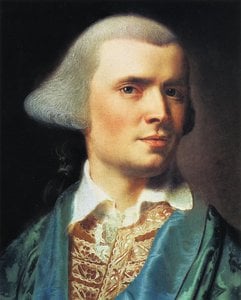
Reverend Thomas Cary
Rozměry reprodukce
John Singleton Copley’s “Reverend Thomas Cary,” painted in 1773, is more than just a portrait; it's a meticulously crafted window into the intellectual and artistic currents of the American colonies. This remarkable work, now residing within the hallowed halls of the Museum of Fine Arts in Boston, exemplifies Copley’s mastery of Neo-Classicism – a style that sought to elevate art through order, clarity, and an idealized representation of human virtue. The painting immediately draws the eye to its subject: Reverend Cary himself, presented with a dignified composure that speaks volumes about the era's emphasis on moral leadership and civic responsibility.
Created during a pivotal moment in American history – the Age of Enlightenment – “Reverend Thomas Cary” reflects the profound influence of ancient Greek and Roman art. Copley, deeply immersed in this movement, skillfully employs classical principles of composition and perspective to create a sense of monumental grandeur. The Reverend’s seated pose, reminiscent of depictions of Roman senators, reinforces his authority and intellectual standing. Furthermore, the backdrop – a meticulously arranged bookshelf brimming with volumes – isn't merely decorative; it symbolizes Cary’s erudition and commitment to learning, aligning perfectly with the Enlightenment’s core values of reason and knowledge.
Beyond its formal qualities, “Reverend Thomas Cary” is rich in symbolic meaning. The Reverend's clasped hands suggest piety and devotion, while the bookshelf represents a repository of wisdom and knowledge. Even the clock hanging above him subtly alludes to the passage of time – a constant reminder of mortality and the importance of living a virtuous life. Copley masterfully evokes a sense of quiet contemplation and dignified seriousness, inviting viewers to reflect on themes of faith, intellect, and civic duty.
Experience the timeless beauty and intellectual depth of “Reverend Thomas Cary” with a meticulously crafted oil painting reproduction. Available through WahooArt.com, these reproductions capture every nuance of Copley’s original work, allowing you to bring this iconic portrait into your home or office. A testament to American artistic heritage, this piece is an investment in beauty and history.

1738 - 1815 , Spojené království Velké Británie a Irsku

Discover the profound beauty of Academic Classicism. Explore the principles of order, anatomical precision, and the enduring legacy of Neoclassical masters through this expert guide to timeless elegance and technical perfection in fine art.

 Náhled
 Sdílet
 Sdílet
 Podrobnosti o díle

 Stáhnout
 Podobné položky
 Rentgenové snímky
 Slideshow
 Zobrazit více







 Skleněná varianta je dostupná pouze u rozměrů menších než 110 cm


