NáhledNáhled Náhled v ARNáhled v AR Koupit tisk Koupit tiskKoupit obrázek Koupit obrázek SdíletSdílet
Podrobnosti o dílePodrobnosti o díle Přidat do oblíbených Přidat do oblíbených StáhnoutStáhnout Podobné položkyPodobné položky Rentgenové snímkyRentgenové snímky SlideshowSlideshow

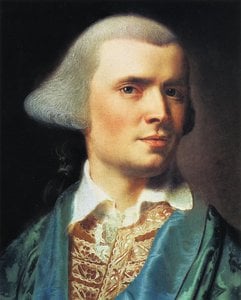
Nicholas Boylston

Admire John Singleton Copley's masterful portrait of Nicholas Boylston, embodying Neo-Classicism’s elegance and realism. Explore this iconic piece housed at Boston MFA.

John Singleton Copley (1738-1815) - americký malíř, průkopník angloamerické umělecké školy. Jeho detailní portréty a historické scény zachycují atmosféru koloniální Ameriky.

Ručně malovaná olejová reprodukce

Ručně malovaná olejná barva na plátně ve vašem zvoleném rozměru i s rámem, vyrobená našimi umělci na zakázku. (Koupit tisk Koupit tiskKoupit obrázek Koupit obrázek)

P118B $10
P118H $10
P118W $10
P438Z $10
P508JH $12
P508YH $12
P805H $10
P805Z $10
P919BZ $10
P919G $10
P919XJ $10
P959ZH $10
P968JZ $12
W106C $8
W218G $10
W218JH $8
W218Y $10
W307PJ $10
W316G $10
W316PJ $8
W316Y $10
W398PJ $8
W4111J $10
W500HY $15
W500JH $15
W692G $12
W849H $8
W940BG $15
W953PJ $8

Standardní velikost
na míru
CM
INCH

Vyberte si z našich přednastavených velikostí, které odpovídají původním proporcím díla.

šířka
výška

Můžete zadat vlastní rozměry pro konkrétní rám nebo prostor. Pokud se vámi vybraná velikost neshoduje s proporcemi původního obrazu, dílo buď ořízneme, nebo jej doplníme ručně malovanými prvky. Před zahájením výroby vám bude zaslán digitální náhled ke schválení.
Upozorňujeme, že náhled na obrazovce neodpovídá skutečnému ořezu ani rozšíření. Pouze digitální náhled přesně zobrazí finální kompozici.
Ačkoliv je možné zvolit vlastní velikost, pro zachování původních proporcí doporučujeme vybrat rozměr z předdefinovaného seznamu.

Příklady možných změn: Nahrazení obličeje vlastní fotografií; Přidání domácího mazlíčka (např. nahrazení kočky psem); Vložení skrytého vzkazu do pozadí; Změna krajiny nebo prvků v pozadí.
Po přijetí objednávky vám tým WahooArt.com zašle e-mail s pokyny a poskytne náhledovou verzi.

Celosvětová doprava () za 3–4 týdny namísto standardních 5 týdnů. (6 září). Bez kompromisů v kvalitě.

why_choose_icon
Zdarma celosvětová expresní doprava
why_choose_icon
Vysoce kvalitní lněné plátno
why_choose_icon
Kompletní přepravní pojištění
why_choose_icon
Záruka vrácení celního poplatku
why_choose_icon
Záruka přesného barevného shodu
why_choose_icon
100denní lhůta pro vrácení zboží (pouze při vadách výroby)
why_choose_icon
100% garance vrácení peněz
why_choose_icon
Sleva při hromadné objednávce

Celková cena

$ 272

reproduction

Nicholas Boylston

Technika reprodukce

Rozměry reprodukce

-

Celková cena za výběr

$ 272

Základní informace

  • Title: Nicholas Boylston
  • Subject or theme: Portraiture
  • Dimensions: 102 x 127 cm
  • Notable elements or techniques: Detailed portraiture; Balanced composition
  • Artistic style: Realistic
  • Location: Museum of Fine Arts, Boston
  • Movement: Neo-Classicism

A Vision of Enlightenment: The Elegance of Nicholas Boylston

In the quiet, commanding presence of John Singleton Copley’s Nicholas Boylston, one finds more than just a portrait of a colonial merchant; one encounters a profound manifesto of the Enlightenment. Completed in 1769, this masterpiece serves as a cornerstone of Neo-Classicism, an era defined by a yearning to revive the balanced ideals of ancient Greece and Rome. As you gaze upon the central figure, there is an immediate sense of order and clarity that transcends the mere depiction of a man. Copley does not simply paint a likeness; he constructs a world of reason, where every shadow and every fold of fabric contributes to a larger narrative of moral contemplation and intellectual refinement.

The composition is a masterclass in equilibrium. Eschewing the dramatic, swirling excesses of the preceding Baroque period, Copley embraces a meticulous symmetry that anchors the viewer's eye. Boylston is positioned with a deliberate, central gravity, surrounded by a carefully orchestrated space that feels both intimate and monumental. The subtle presence of another figure in the background does not disrupt this peace but rather enhances the sense of depth and social harmony, mirroring the humanist philosophies of thinkers like Voltaire and Rousseau. For the discerning collector or interior designer, this painting offers a sense of timeless stability, making it an ideal centerpiece for spaces that demand an atmosphere of sophisticated calm.

Technical Brilliance and Material Splendor

The true magic of this work lies in Copley’s unparalleled technical virtuosity. Utilizing the rich, luminous potential of oil on canvas, the artist engages in a silent dialogue between light and texture. His ability to render the tactile reality of the material world is nothing short of breathtaking. One can almost feel the weight of the heavy fabrics and the crispness of the gentleman's attire. Through the delicate use of glazing techniques, Copley achieves an astonishing level of realism, allowing light to dance across Boylston’s skin and highlight the subtle contours of his face, conveying a palpable sense of dignity and life.

Every brushstroke serves a purpose in building this sensory experience. The artist’s attention to detail extends beyond the human form to the symbolic objects that populate the scene. The inclusion of books and a decorative vase is far from incidental; these elements act as emblems of the subject's cultivated intellect and worldly success. For those seeking a high-quality reproduction, it is this level of intricate detail—the way light catches the edge of a page or the sheen of a ceramic surface—that brings the soul of the original painting into a modern home, offering an enduring connection to the artistry of the eighteenth century.

An Enduring Legacy for the Modern Collector

To possess a reproduction of Nicholas Boylston is to invite a piece of history into one's personal sanctuary. Copley, a painter who bridged the worlds of colonial America and the grand art circles of London, captured the very essence of an era in transition. His work embodies the tension between the burgeoning wealth of the New World and the established intellectual traditions of the Old. This painting is not merely a decorative object; it is a window into a period of profound social and political upheaval, rendered with a stillness that suggests eternal grace.

Whether placed in a formal study, a grand library, or a contemporary living space, this artwork provides an emotional anchor. It evokes feelings of prestige, wisdom, and quiet strength. For the art lover, it is a tribute to technical mastery; for the designer, it is a tool of profound atmospheric transformation; and for the collector, it is a timeless investment in the beauty of human achievement. Copley’s legacy remains vibrant, reminding us that even in a changing world, the values of balance, clarity, and refinement remain eternally relevant.


Biografie umělce

A Pioneer Bridging Worlds: The Life and Art of John Singleton Copley

John Singleton Copley, born in Boston in 1738, occupies a unique and pivotal position in the history of American art. He wasn’t merely a painter; he was a cultural bridge, forging a distinctly Anglo-American aesthetic during a period of immense political and social upheaval. His story is one of self-taught brilliance, relentless ambition, and an uncanny ability to capture not just likenesses, but the very essence of his subjects within the context of their time. Copley’s early life was steeped in the bustling maritime world of colonial Boston, a city brimming with merchants, shipbuilders, and burgeoning wealth. His father, Richard Copley, though absent shortly after John's birth, was a tobacco merchant, while his mother, Mary Singleton Copley, ran a shop on Long Wharf. This environment instilled in young John an acute awareness of the material world – the textures of fabrics, the gleam of silver, the subtle nuances of social standing – all elements that would later define his artistic style. His stepfather, Peter Pelham, an engraver and limner (an artist who created portraits on vellum or parchment), provided some initial guidance, but Copley’s talent was largely self-cultivated through diligent study and practice. He devoured any available engravings, meticulously copying them to master technique, and quickly surpassed his stepfather's abilities.

The Rise of a Colonial Portraitist

By the 1760s, Copley had established himself as Boston’s premier portraitist, catering to the city’s elite. His success wasn’t simply due to technical skill; it was his ability to imbue his portraits with a psychological depth rarely seen in colonial American art. He moved beyond mere representation, striving to capture the character and social standing of his sitters. This involved meticulous attention to detail – the precise rendering of fabrics, jewelry, and furnishings – but also a keen understanding of posture, expression, and gesture. Copley’s portraits weren't just images; they were statements about wealth, power, and social aspiration. He skillfully incorporated symbolic objects into his compositions, subtly hinting at his subjects’ professions or interests. A merchant might be depicted with imported goods in the background, a lawyer with legal texts, or a naval officer with nautical instruments. This attention to detail and symbolism elevated his work beyond simple portraiture, transforming it into a form of social commentary. His portraits of prominent figures like *Mrs. Ezekiel Gondthwait (Elizabeth Lewis)* exemplify this approach – the elegant pose, luxurious fabrics, and subtle details all convey a sense of refinement and status.

Ambition and the Call of Europe

Despite his success in Boston, Copley harbored ambitions that extended beyond the colonial art world. He yearned for recognition from the established artistic circles of London and Rome, and sought to test his skills against the masters of European painting. In 1766, he sent his *Boy with a Flying Squirrel* to the Society of Artists in London, where it received considerable praise from Joshua Reynolds and Benjamin West – two leading figures in the British art scene. This encouragement fueled Copley’s desire for further training and exposure. However, family obligations and a thriving practice kept him rooted in Boston for another decade. Finally, in 1774, with his wife Susanna Farnsworth Clarke and their children, he embarked on a journey to Europe, intending to study the Old Masters and establish himself as a historical painter. The outbreak of the American Revolution shortly after his arrival complicated matters, forcing Copley to navigate a politically charged environment while pursuing his artistic goals.

Historical Narratives and Lasting Legacy

In London, Copley found both opportunities and challenges. He continued to paint portraits, securing commissions from prominent British figures, but he also turned his attention to historical painting – a genre considered more prestigious than portraiture at the time. His most ambitious work in this vein was *The Death of Major Peirson*, depicting a scene from the Battle of Jersey during the American Revolutionary War. While technically impressive, it received mixed reviews, with some critics questioning its composition and dramatic impact. Copley’s later historical paintings, such as *The Colapse of the Earl of Chatham in the House of Lords*, were more successful, demonstrating his ability to capture complex emotions and dramatic moments. Though he never fully achieved the level of acclaim he sought in Europe, John Singleton Copley left an indelible mark on both American and British art history. He pioneered a uniquely Anglo-American style, blending European techniques with a distinctly colonial sensibility. His portraits remain invaluable historical documents, offering glimpses into the lives and values of a bygone era. He is remembered not only for his artistic skill but also for his role in shaping a national identity through his art. He died in London in 1815, leaving behind a legacy that continues to inspire artists and captivate audiences today.

Influences and Artistic Development

  • Early Influences: Copley’s early artistic development was heavily influenced by the engravings he meticulously copied, particularly those of European masters like Rembrandt van Rijn and Antoine Watteau.
  • Peter Pelham's Guidance: His stepfather, Peter Pelham, provided initial training in portraiture and engraving techniques, laying the foundation for his future success.
  • Joshua Reynolds & Benjamin West: The encouragement and feedback from these prominent British artists during Copley’s early submissions to London exhibitions were crucial in shaping his ambitions and artistic direction.
  • Rococo Style: Copley initially embraced the Rococo style, evident in his use of delicate colors, graceful poses, and ornate details. However, he gradually moved towards a more realistic and restrained approach.
  • Historical Painting Inspiration: His exposure to historical paintings by artists like Benjamin West inspired him to explore this genre, though he often struggled to fully reconcile it with his natural talent for portraiture.

John Singleton Copley

John Singleton Copley

1738 - 1815 , Spojené království Velké Británie a Irsku

Rychlé fakta

  • Artistic Movement Or Style: Portrétní, Realistický
  • Artists Or Movements Influenced By This Artist: ['Anglosvětové umělci']
  • Artists Who Influenced This Artist:
    • Rembrandt
    • Watteau
  • Date Of Birth: 1738
  • Date Of Death: 1815
  • Full Name: John Singleton Copley
  • Nationality: Anglosvětový
  • Notable Artworks:
    • Watson a žralok
    • Earl of Chatham
  • Place Of Birth: Boston, UK
Prozkoumejte umělecká díla uspořádaná podle témat, stylů a charakteristik.