BEZPLATNÉ UMĚLECKÉ PORADENSTVÍ

x
Koupit tisk Koupit tiskKoupit digitální obrázek Koupit digitální obrázek SdíletSdílet
PodrobnostiPodrobnosti Přidat do oblíbených Přidat do oblíbených StáhnoutStáhnout Podobné položkyPodobné položky Rentgenové snímkyRentgenové snímky SlideshowSlideshow

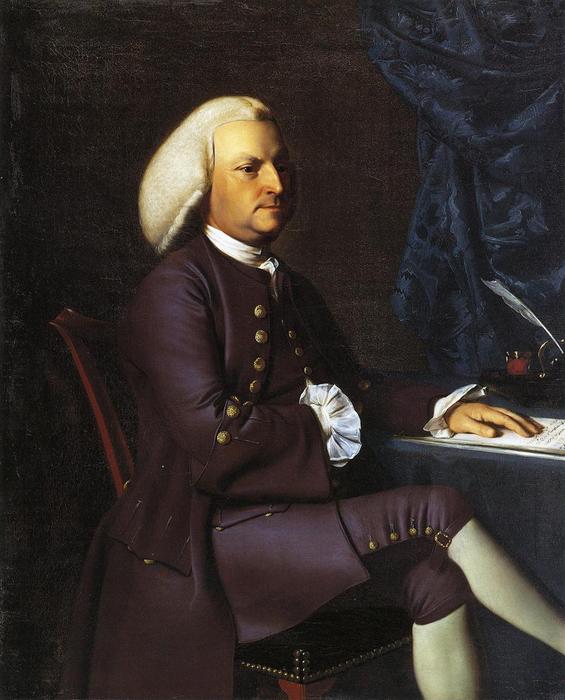
Isaac Smith

Admire John Singleton Copley’s ‘Isaac Smith’ (1769), a stunning portrait capturing colonial American elegance & detail. Explore this masterpiece at the Yale University Art Gallery.

John Singleton Copley (1738-1815) - americký malíř, průkopník angloamerické umělecké školy. Jeho detailní portréty a historické scény zachycují atmosféru koloniální Ameriky.

Ručně malovaná olejová reprodukce

Ručně malovaná olejná barva na plátně ve vašem zvoleném rozměru i s rámem, vyrobená našimi umělci na zakázku.

P118B $10
P118H $10
P118W $10
P438Z $10
P508JH $12
P508YH $12
P805H $10
P805Z $10
P919BZ $10
P919G $10
P919XJ $10
P959ZH $10
P968JZ $12
W106C $8
W218G $10
W218JH $8
W218Y $10
W307PJ $10
W316G $10
W316PJ $8
W316Y $10
W398PJ $8
W4111J $10
W500HY $15
W500JH $15
W692G $12
W849H $8
W940BG $15
W953PJ $8

Standard
custom
CM
INCH

Vyberte si z našich přednastavených velikostí, které odpovídají původním proporcím díla.

šířka
výška

Můžete zadat vlastní rozměry pro konkrétní rám nebo prostor. Pokud se vámi vybraná velikost neshoduje s proporcemi původního obrazu, dílo buď ořízneme, nebo jej doplníme ručně malovanými prvky. Před zahájením výroby vám bude zaslán digitální náhled ke schválení.
Upozorňujeme, že náhled na obrazovce neodpovídá skutečnému ořezu ani rozšíření. Pouze digitální náhled přesně zobrazí finální kompozici.
Ačkoliv je možné zvolit vlastní velikost, pro zachování původních proporcí doporučujeme vybrat rozměr z předdefinovaného seznamu.

Příklady možných změn: Nahrazení obličeje vlastní fotografií; Přidání domácího mazlíčka (např. nahrazení kočky psem); Vložení skrytého vzkazu do pozadí; Změna krajiny nebo prvků v pozadí.
Po přijetí objednávky vám tým WahooArt.com zašle e-mail s pokyny a poskytne náhledovou verzi.

Celosvětová doprava () za 3–4 týdny namísto standardních 5 týdnů. (2 červenec). Bez kompromisů v kvalitě.

why_choose_icon
Zdarma celosvětová expresní doprava
why_choose_icon
Vysoce kvalitní lněné plátno
why_choose_icon
Kompletní přepravní pojištění
why_choose_icon
Záruka vrácení celního poplatku
why_choose_icon
Záruka přesného barevného shodu
why_choose_icon
60denní lhůta pro vrácení zboží (pouze při vadách výroby)
why_choose_icon
100% garance vrácení peněz
why_choose_icon
Sleva při hromadné objednávce

Celková cena

-

reproduction

Isaac Smith

Technika reprodukce

Rozměry reprodukce

-

Celková cena za výběr

-

Základní informace

  • Medium: Oil on canvas
  • Subject or theme: Portrait of a gentleman
  • Dimensions: 101 x 127 cm
  • Movement: Neoclassicism
  • Title: Isaac Smith
  • Year: 1769
  • Artist: John Singleton Copley

Kvíz o umění

U každé otázky je pouze jedna správná odpověď.

Otázka 1:
What artistic movement is Isaac Smith (1769) by John Singleton Copley primarily associated with?
Otázka 2:
In the painting 'Isaac Smith', what is the primary material used by John Singleton Copley?
Otázka 3:
What does the attire of Isaac Smith in 'Isaac Smith' suggest about his social status?
Otázka 4:
Which of the following best describes John Singleton Copley's style?
Otázka 5:
The Yale University Art Gallery houses the painting 'Isaac Smith'. In what city is the gallery located?

Popis díla

The Eloquence of Portraiture: Isaac Smith by John Singleton Copley

John Singleton Copley’s “Isaac Smith,” painted in 1769, isn't merely a likeness; it’s a carefully constructed window into the burgeoning world of colonial Boston and the aspirations of its wealthy elite. This portrait, now residing within the hallowed halls of the Yale University Art Gallery, exemplifies Copley’s mastery of capturing not just physical appearance but also the subtle nuances of character and social standing – a hallmark of his most celebrated works. The painting immediately draws the eye to Mr. Smith, seated with an air of quiet contemplation, his posture radiating both dignity and a hint of reserved intelligence. He is rendered in rich, dark attire, accented by the crisp white of his ruffled shirt and powdered wig, indicative of the fashionable standards of the era. Copley’s meticulous attention to detail—the texture of the velvet, the sheen of the buttons, the delicate folds of the fabric—demonstrates a profound understanding of materials and their visual impact, reflecting the artist's commitment to realism.

Copley’s style during this period was deeply rooted in Neoclassicism, an artistic movement that sought inspiration from the art and ideals of ancient Greece and Rome. This influence is evident in the portrait’s balanced composition, its emphasis on clear lines and precise forms, and its restrained palette. However, Copley wasn't simply replicating classical models; he infused his work with a distinctly American sensibility, capturing the spirit of a society undergoing rapid transformation. The painting speaks to the growing confidence and prosperity of colonial Boston, a city rapidly becoming a center of trade and finance. The background, deliberately muted and suggestive rather than detailed, directs focus entirely onto Smith, reinforcing his importance within the scene.

A Window into Colonial Society

“Isaac Smith” offers a fascinating glimpse into the social dynamics of 18th-century Boston. The portrait’s commission itself speaks volumes about the values and priorities of its patron – a wealthy merchant seeking to solidify his position within the community through visual representation. The inclusion of the book on the table subtly hints at Mr. Smith's intellectual pursuits, suggesting an engagement with learning and culture that was increasingly valued during this period. The painting wasn’t just about vanity; it served as a powerful tool for social signaling – a declaration of wealth, status, and refined taste.

Furthermore, the portrait reflects the growing importance of portraiture in colonial America. As the colonies developed their own artistic traditions, portrait painting became increasingly popular among the wealthy elite, providing a means to commemorate themselves and their families. Copley’s portraits were highly sought after, not only for their technical skill but also for their ability to capture the essence of their subjects – their personalities, aspirations, and social standing. The meticulous rendering of Smith's features—his thoughtful gaze, his slightly furrowed brow—suggests a man of considerable intellect and quiet strength.

The Artist’s Hand: Technique and Detail

Copley’s technique in “Isaac Smith” is characterized by an extraordinary level of detail and precision. He employed the sfumato technique, subtly blending colors to create soft transitions and a sense of atmospheric depth. This approach is particularly evident in the rendering of Smith's clothing, where Copley masterfully captures the textures and folds of the fabric with remarkable accuracy. The artist’s use of light and shadow further enhances the portrait’s realism, creating a three-dimensional effect that draws the viewer into the scene.

The painting is executed in oil on canvas, a medium favored by Copley for its ability to capture subtle nuances of color and texture. He utilized a layering technique, applying thin glazes of paint over previous layers to build up depth and richness. This meticulous approach required considerable skill and patience, reflecting Copley’s dedication to his craft. The brushstrokes are remarkably controlled, contributing to the overall sense of composure and refinement that permeates the portrait.

A Timeless Masterpiece

“Isaac Smith” remains a compelling testament to John Singleton Copley's artistic genius and a valuable window into colonial American society. Its enduring appeal lies not only in its technical brilliance but also in its ability to evoke a sense of timeless elegance and quiet dignity. Today, reproductions of this iconic portrait continue to captivate art enthusiasts worldwide, offering a glimpse into the world of 18th-century Boston and the remarkable talent of one of America’s most celebrated artists. Consider acquiring a high-quality reproduction – a tangible connection to a pivotal moment in American artistic history.

Podobná umělecká díla


Biografie umělce

A Pioneer Bridging Worlds: The Life and Art of John Singleton Copley

John Singleton Copley, born in Boston in 1738, occupies a unique and pivotal position in the history of American art. He wasn’t merely a painter; he was a cultural bridge, forging a distinctly Anglo-American aesthetic during a period of immense political and social upheaval. His story is one of self-taught brilliance, relentless ambition, and an uncanny ability to capture not just likenesses, but the very essence of his subjects within the context of their time. Copley’s early life was steeped in the bustling maritime world of colonial Boston, a city brimming with merchants, shipbuilders, and burgeoning wealth. His father, Richard Copley, though absent shortly after John's birth, was a tobacco merchant, while his mother, Mary Singleton Copley, ran a shop on Long Wharf. This environment instilled in young John an acute awareness of the material world – the textures of fabrics, the gleam of silver, the subtle nuances of social standing – all elements that would later define his artistic style. His stepfather, Peter Pelham, an engraver and limner (an artist who created portraits on vellum or parchment), provided some initial guidance, but Copley’s talent was largely self-cultivated through diligent study and practice. He devoured any available engravings, meticulously copying them to master technique, and quickly surpassed his stepfather's abilities.

The Rise of a Colonial Portraitist

By the 1760s, Copley had established himself as Boston’s premier portraitist, catering to the city’s elite. His success wasn’t simply due to technical skill; it was his ability to imbue his portraits with a psychological depth rarely seen in colonial American art. He moved beyond mere representation, striving to capture the character and social standing of his sitters. This involved meticulous attention to detail – the precise rendering of fabrics, jewelry, and furnishings – but also a keen understanding of posture, expression, and gesture. Copley’s portraits weren't just images; they were statements about wealth, power, and social aspiration. He skillfully incorporated symbolic objects into his compositions, subtly hinting at his subjects’ professions or interests. A merchant might be depicted with imported goods in the background, a lawyer with legal texts, or a naval officer with nautical instruments. This attention to detail and symbolism elevated his work beyond simple portraiture, transforming it into a form of social commentary. His portraits of prominent figures like *Mrs. Ezekiel Gondthwait (Elizabeth Lewis)* exemplify this approach – the elegant pose, luxurious fabrics, and subtle details all convey a sense of refinement and status.

Ambition and the Call of Europe

Despite his success in Boston, Copley harbored ambitions that extended beyond the colonial art world. He yearned for recognition from the established artistic circles of London and Rome, and sought to test his skills against the masters of European painting. In 1766, he sent his *Boy with a Flying Squirrel* to the Society of Artists in London, where it received considerable praise from Joshua Reynolds and Benjamin West – two leading figures in the British art scene. This encouragement fueled Copley’s desire for further training and exposure. However, family obligations and a thriving practice kept him rooted in Boston for another decade. Finally, in 1774, with his wife Susanna Farnsworth Clarke and their children, he embarked on a journey to Europe, intending to study the Old Masters and establish himself as a historical painter. The outbreak of the American Revolution shortly after his arrival complicated matters, forcing Copley to navigate a politically charged environment while pursuing his artistic goals.

Historical Narratives and Lasting Legacy

In London, Copley found both opportunities and challenges. He continued to paint portraits, securing commissions from prominent British figures, but he also turned his attention to historical painting – a genre considered more prestigious than portraiture at the time. His most ambitious work in this vein was *The Death of Major Peirson*, depicting a scene from the Battle of Jersey during the American Revolutionary War. While technically impressive, it received mixed reviews, with some critics questioning its composition and dramatic impact. Copley’s later historical paintings, such as *The Colapse of the Earl of Chatham in the House of Lords*, were more successful, demonstrating his ability to capture complex emotions and dramatic moments. Though he never fully achieved the level of acclaim he sought in Europe, John Singleton Copley left an indelible mark on both American and British art history. He pioneered a uniquely Anglo-American style, blending European techniques with a distinctly colonial sensibility. His portraits remain invaluable historical documents, offering glimpses into the lives and values of a bygone era. He is remembered not only for his artistic skill but also for his role in shaping a national identity through his art. He died in London in 1815, leaving behind a legacy that continues to inspire artists and captivate audiences today.

Influences and Artistic Development

  • Early Influences: Copley’s early artistic development was heavily influenced by the engravings he meticulously copied, particularly those of European masters like Rembrandt van Rijn and Antoine Watteau.
  • Peter Pelham's Guidance: His stepfather, Peter Pelham, provided initial training in portraiture and engraving techniques, laying the foundation for his future success.
  • Joshua Reynolds & Benjamin West: The encouragement and feedback from these prominent British artists during Copley’s early submissions to London exhibitions were crucial in shaping his ambitions and artistic direction.
  • Rococo Style: Copley initially embraced the Rococo style, evident in his use of delicate colors, graceful poses, and ornate details. However, he gradually moved towards a more realistic and restrained approach.
  • Historical Painting Inspiration: His exposure to historical paintings by artists like Benjamin West inspired him to explore this genre, though he often struggled to fully reconcile it with his natural talent for portraiture.
John Singleton Copley

John Singleton Copley

1738 - 1815 , Spojené království Velké Británie a Irsku

Rychlé fakta

  • Artistic Movement Or Style: Portrétní, Realistický
  • Artists Or Movements Influenced By This Artist: ['Anglosvětové umělci']
  • Artists Who Influenced This Artist:
    • Rembrandt
    • Watteau
  • Date Of Birth: 1738
  • Date Of Death: 1815
  • Full Name: John Singleton Copley
  • Nationality: Anglosvětový
  • Notable Artworks:
    • Watson a žralok
    • Earl of Chatham
  • Place Of Birth: Boston, UK
Prozkoumejte umělecká díla uspořádaná podle témat, stylů a charakteristik.