

Giclée nebo plátěný tisk muzeální kvality s rychlou výrobou a širokou nabídkou povrchových úprav. ( Koupit ručně malovaný obraz Přepnout na digitální obraz)





























Vyberte si z našich přednastavených velikostí, které odpovídají původním proporcím díla.

Zadejte šířku a výšku, které potřebujete pro váš rám nebo stěnu. Tisk lze pouze oříznout, nikdy však nelze zvětšit obraz nad jeho původní rozměr, proto při výběru jiného formátu dochází ke ztrátě části obrazu. Před samotným tiskem vám zašleme digitální náhled k schválení. Obraz zobrazený na této stránce nenabízí skutečný výřez — ten uvidíte pouze v náhledu.
Celosvětové doručení () do 2 týdnů namísto standardních 4/5 týdnů. (20 listopad)
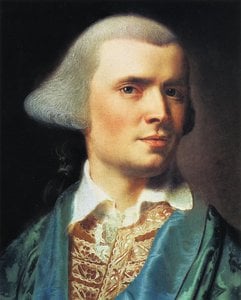
Admiral Howe
Rozměry reprodukce
Celková nálada díla „Admiral Howe“ od John Singleton Copley je Elegance. Tato nálada vystihuje obecnou atmosféru tohoto díla.
Dílo „Admiral Howe“ od John Singleton Copley spadá do volného užívání (v rámci volného užití – autorská práva vypršela). Autorské právo vyprší po určité době od úmrtí umělce, ke kterému došlo v roce 1815.
Dílo "Admiral Howe" patří k období Neobaroková dekorace, jehož tvůrce působil v éře – Raná modernita.

John Singleton Copley se narodil v roce 1738 a vyrostl v komerčním chaosu koloniálního Bostonu. Jeho dětství bylo hluboce zakořeněno v námořním obchodě v přístavu Long Wharf, kde jeho matka, Mary Singleton Copley, vedla obchod. Jeho otec, Richard Copley, pracoval jako tabákový obchodník. Toto prostředí mu poskytlo mnohem víc než jen společenské kulisy; nabídlo mu přímý pohled na materiální textury a sociální hierarchie, které později definovaly jeho vizuální jazyk. Nebyl sice zroděn do umělecké dynastie, ale blízkost k obchodní třídě mu zajistila hluboké porozumění hodnotě předmětů, které bude v budoucnu malovat.
K řemeslu byl formálně představen svým nevlastním otcem, Peterem Pelhamem, který byl rytovníkem a limnerem. Ačkoliv Pelham položil základy jeho technické výchovy, skutečný rozkvět talentu John Singleton Copley byl výsledkem samotné, neúnavné práce. Byl vícemméně samouk, který se vyhnul tradičnímu evropskému akademickému systému ve prospěch přísného, soběpostavěného vzdělávacího procesu. Po celá léta meticulózně kopíroval rytiny, aby ovládl mechaniku světla a formy. Tento disciplinovaný a sebevzdělaný přístup mu umožnil překonat omezení svého lokálního okolí a vyvinout technickou preciznost, kterou jeho předchůdci v koloniích postrádali.
Již v 60. letech 18. století si John Singleton Copley vybudoval postavení nejvýznamnějšího portrétisty v Bostonu. Jeho tvorba však nebyla pouhým zachycováním tváří; on v podstatě konstruoval sociální identity koloniální elity. Schopnost přetavit materiální bohatství do vizuální autority z něj učinila nepostradatelnou volbu pro nejvlivnější postavy města. Plně chápal, že portrét je mocným nástrojem pro projektování statusu, a proto využíval bohaté textury a specifické předměty k tomu, aby naznačil přesné postavení modela v sociální hierarchii.
Technická preciznost, kterou ovládal, mu umožnila vystoupit nad rámec prostého podobenství. V jeho portrétu z roku 1771, který představuje paní Ezekiel Gondthwait (Elizabeth Lewis), vypráví o vznešenosti skrze ztvárnění luxusních látek a rafinované pózy. Nebylo to náhodné. John Singleton Copley využíval každý detail – od lesku stříbra až po způsob, jakým padá rukáv – k tomu, aby precizně naladil vnímání diváka k jeho subjektům. Proměnil samotný akt pózování v promyšlené předvedení bohatství a mocenské síly.
Šíře jeho klientely odráží dynamické proměny koloniálního vedení. Kolem roku 1768 zachytil podobu Paula Revere a v roce 1772 namaloval Samuela Adamsa. Nešlo jen o běžné zakázky; šlo o vizuální záznamy mužů, kteří formovali politickou budoucnost kolonií. Jeho dílo poskytlo vizuální slovní aðlibu společnosti v transformaci a dokumentovalo právě ty lidi, kteří zdejší nový politický řád nedávno definovali.
Copleyho estetika představuje promyšlenou konfluenci rokokové elegance a osvícenského intelektualismu. Jeho dílo nebylo pouhým replikováním dekorativních detailů předchůdců; spíše je podléhlo přísné neoklasické vizi. Tento přístup kladl důraz na řád, jasnost a morální ctnost – vlastnosti, které v koloniálním kontextu silně rezonovaly. Jeho práce se vyhýbá povrchovnosti, jež je často spojena s čistě dekorativními styly, díky tomu, že každou kompozici zakotvuje v anatomické přesnosti a psychologické hloubce. Nespokojil se s pouhým zachycením podoby na povrchu. Místo toho využíval postoj a výraz modelovaného k jeho charakteru, čímž proměňoval prostý portrét v precizní studii lidské identity.
Technická exekuce jeho obrazů stojí na sofistikovaném vrstvení průsvitných glazur. Tato metoda, v kombinaci s rychlým vedením štětcem, mu umožnila dosáhnout vysokého stupně realismu v textuře a světle. Disponoval unikátní schopností vykreslit materiální svět – těžkou váhu látky, studený lesk kovu i jemné přechody pleti – s precizností, která působila okamžitě a živě. Tato technická zdatnost zajistila, že jeho subjekty působily jako fyzické přítomnosti, nikoliv jako ploché reprezentace. Mistrovstvím ve hře světla a stínu dokázal vytesat postavy, které měly hmatatelný objem a pocit trvalosti.
Copleyho přesun do Evropy byl promyšleným pokusem o zajištění si pevného postavení v prestižních uměleckých centrech Starého světa. Již dávno před jeho odjezdem se jeho talent projevil i v Londýně; 3. září 1766 byl zvolen členem Královské společnosti umělců Británie. Toto uznání mu dodalo potřebný impuls pro jeho budoucí stěhování. V roce 1774 opustil Kolonie a vydal se na cestu s manželkou Susannou Farnsworth Clarke a jejich dětmi. Ve stejném roce se usadili v Londýně a do Ameriky se již nikdy nevrátil.
Jeho evropská éra byla charakteristická vědomým usilováním o klasické vzdělání. Bětem léta 1774 studoval v Římě, což byl krok zaměřený na zdokonalení jeho schopnosti pracovat s kompozicí a historickým narativem. Toto období studia nebylo pouhou exkurzí, ale zásadním zvratem v jeho profesní kariéře. Usazením v Londýně se John Singleton Copley snažil transformovat svou identitu z koloniálního portrétisty na malíře s významným historickým vztením a chtěl tak prověřit své technické schopnosti v konfrontaci se standardy tehdejší britské umělecké scény.
Copleyho tvorba odhaluje promyšlený posun od sociálního portrétního malířství, které mu zajistilo postavení v koloniích, směrem k prestižnímu a náročnému světu historického malířství. Jeho raný zájem o klasická témata je patrný v díle The Return of Neptune, namalovaném kolem roku 1754. Toto dílo ukazuje počáteční snahu vyjít za rám pouhého zachycení podoby boasťské elity tím, že využíval kompozice starých mistrů. I v jeho osobnějších portrétech, jako je The Copley Family z roku 1776, je patrný jasný záměr využít plátno k vybudování specifické sociální identity prostřednictvím pečlivě choreografovaných prostředí a předmětů.
Stěhování do Evropy pak podnítilo ještě intenzivnější snahu o budování historických narativů. Copley se snažil ovládnout ten nejprestižnější žánr své éry a často volil scény plné dramatického napětí nebo politického významu. Dílo Watson and the Shark, vytvořené kolem roku 1778, je jasným důkazem tohoto směřování k dramatickému vyjádření. Jeho nejambicióznějším podnikem v tomto směru bylo The Death of Major Peirson, dílo, které se pokusilo zachytit chaos bitvy u Jersey. Ačkoliv někteří kritici zpochybňovali jeho kompozici, tento obraz zůstává významným pokusem o přetvoření moderního konfliktu do velkolepého měřítla historického umění.
V jeho pozdější londýnské kariéře jsme pak svědky práce s komplexními politickými scénami, jako je The Colapse of the Earl of Chatham in the House of Lords z roku 1779. Toto dílo se přesunulo od válečných bojišť do strukturovaného, plného napětí prostředí britského vládnutí. Skrze tato rozmanitá témata se John Singleton Copley snažil dokázat, že malíř vycvičený v koloniích může ovládnout i tížnivé a dramatické nároky evropské historické tradice.
Poslední kapitola Copleyho londýnského života byla poznamenána útlumem profesionální dynamiky, kterou kdysi tak sebevědomě vykazoval. Jeho pozdější roky byly o něco méně úspěšné než období jeho největší slávy. Finanční nestabilita se stala stínem jeho závěrečných let a on zemřel v hlubokých dluzích. Tento finanční boj stojí v ostrém kontrastu ke společenskému statusu, který jeho koloniální portréty kdysi pomáhali definovat pro novoanglickou elitu.
Zemřel v Londýně v roce 1815. Jeho pozůstalina byla pohřbena v Croydon Minster v Croydonu v hrabství Surrey. Ačkoliv jeho kariéra skončila v tíze finančních potíží, jeho technická preciznost zůstává nezpochybnitelným pilířem při studiu portrétní tvorby a historické kompozice 18. století.
1738 - 1815 , Spojené státy americké

Step into the elegance of 18th-century Britain with our curated guide to George Romney's top 25 masterpieces. Explore iconic portraits and timeless techniques through museum-quality art reproductions and decor inspiration. Discover all masterpieces on WahooArt.com.

Immerse yourself in the grandeur of Sir Joshua Reynolds. Explore 25 iconic masterpieces of British portraiture, from his 'Grand Style' to classical elegance. Find inspiration for museum-quality art reproductions and decor. Discover all masterpieces on WahooArt.com.

Explore expert analysis of maritime masterpieces from Dutch Masters to Impressionism. Discover the soul of nautical fine art today.
 Náhled v interiéru
 Sdílet
 Sdílet
 Podrobnosti o díle
 Průvodce

 Stáhnout
 Podobné položky
 Rentgenové snímky
 Slideshow
 Otázky a odpovědi
 Statistiky
 Zobrazit více









 Skleněná varianta je dostupná pouze u rozměrů menších než 110 cm


