

Získejte soubor připravený k tisku, který svou kvalitou výrazně převyšuje webový náhled. Každý prodávaný digitální obraz pochází z vysokorozlišeného originálu v naší databázi – obvykle o šířce 5 000 až 15 000 pixelů – díky čemuž můžete tisknout ve velkém formátu, provádět těsný střih nebo si s jistotou užít i ty nejjemnější detaily.
Žádný soubor neopustí naše studio bez úprav. Digitální expert kontroluje barvy v porovnání s původním malířským dílem a v případě potřeby je upravuje, poté pomocí profesionálních nástrojů pro retuš zvyšuje ostrost a detailnost — přičemž vždy zůstává věrný tahům štětcem a stylu umělce. Výsledkem je obraz, který vypadá jako malba, nikoliv jako naskenovaný snímek s filtrem.
Schvalování před dokončením: náš expert vám do 72 hodin zašle obraz e-mailem k revizi. Nejsste spokojeni? Můžete požádat o úpravy či opravy, nebo si můžete vyžádat vrácení peněz, pokud kvalita neodpovídá vašim očekáváním.
Tuto kvalitu využívají vydavatelství, designová studia, galerie i tiskárny.
Stáhněte si soubor ve vysokém rozlišení pro osobní prohlížení, tisk nebo kreativní projekty. ( Přepnout na tisk Koupit ručně malovaný obraz)
Když si vyberete WahooArt.com, nezískáváte pouze obrázek – získáváte digitální umělecké dílo s profesionálně vylepšenými detaily, zpracované s precizností a podpořené zárukou za spokojenost. Zde je vše, co vaše objednávka automaticky obsahuje:
Váš digitální obraz ve vysokém rozlišení vám bude zaslán e-mailem do 72 hodin od objednávky – připraven k okamžitému použití.
Vaše umělecké dílo je profesionálně optimalizováno pomocí pokročilých nástrojů umělé inteligence a manuální úpravy, což zajišťuje maximální úroveň detailu, ostrosti a přesnosti barev.
Soubor jste omylem smazali nebo ztratili? Žádný problém – kdykoliv vám ho znovu zašleme zcela zdarma.
Užijte si své umělecké dílo okamžitě bez celních poplatků, daní nebo nákladů na dopravu – digitální stažení je vždy bez daňových povinností.
Díky profesionálním nástrojům a správě barev zajišťujeme, aby váš digitální obraz odrážel původní barvy co nejvěrněji.
Pokud nebudete s digitálním obrázkem spokojeni, provedeme jeho revizi nebo vám vrátíme 100% platby do 100 dnů – bez jakýchkoliv dotazů.
Nespokojeni? Získejte plnou náhradu peněz do 100 dnů od obdržení digitálního souboru – bez zbytečných dotazů.
Koupě 3 obrazů ušetří 10% – Koupě 5 obrazů ušetří 15% – Koupě 10+ obrazů ušetří 20%. Ideální pro kreativní projekty, galerie a agentury.
John Singer Sargent's Sunset at Cairo, painted in 1891, is more than just a depiction of two men strolling through a desert landscape; it’s an exquisitely rendered meditation on light, solitude, and the evocative power of twilight. Created during a period of immense artistic exploration – Sargent was rapidly establishing himself as a leading portraitist within European high society – this work reveals a shift in his style towards Impressionistic sensibilities, a move that would profoundly influence his later oeuvre. The scene unfolds with a quiet grace, capturing a fleeting moment of serenity against the backdrop of a warm, almost ethereal sunset. The figures, rendered with loose brushstrokes and subtle gradations of color, are not sharply defined but rather imbued with an atmospheric quality, suggesting a sense of detachment and contemplation.
Sargent’s technique in Sunset at Cairo is characterized by a masterful layering of oil paints, building up color and form through visible brushstrokes. This approach, typical of the Impressionist movement, prioritizes capturing the transient effects of light and atmosphere over meticulous detail. The canvas itself likely bears witness to this process – the texture created through the application of paint speaks volumes about Sargent’s deliberate control and expressive freedom. The choice of oil paints allowed for a rich palette and blending capabilities, essential in achieving the luminous quality of the sunset and the subtle variations in tone across the landscape. The use of canvas as the support further contributes to the painting's overall texture and depth.
The composition of Sunset at Cairo is laden with symbolic weight. The figures, walking together yet seemingly lost in their own thoughts, evoke a sense of solitude and introspection – themes frequently explored by Sargent throughout his career. The warm hues of the sunset, radiating outwards from the horizon, symbolize hope, transition, and perhaps even mortality. The distant buildings and palm trees, silhouetted against the light, add to the painting’s mystery and create a feeling of being on the edge of something vast and unknown. The scene's quietness invites the viewer to contemplate their own place within the grand scheme of things, mirroring the artist's own fascination with human emotion and experience.
Painted in 1891, *Sunset at Cairo* reflects Sargent’s growing interest in capturing landscapes rather than solely focusing on portraiture. This shift aligns with broader artistic trends of the late 19th century, where Impressionism was gaining momentum and challenging traditional academic styles. Sargent's exploration of light and atmosphere, influenced by artists like Claude Monet and Pierre-Auguste Renoir, demonstrates his willingness to experiment and push the boundaries of artistic expression. The painting’s evocative quality and masterful use of color have secured its place as a significant work within Sargent’s body of work, offering a poignant glimpse into the artist's evolving vision and profound understanding of human emotion.
V díle "Sunset at Cairo" se setkává technika Oil On Canvas sismem Impressionism.
Dílo „Sunset at Cairo“ od John Singer Sargent má luminanci na úrovni Gentle Luminance. Luminance popisuje, jak velkou míru světla barvy odrážejí.
„Sunset at Cairo“ zachycuje sunset landscape, middle eastern scene, dusty path”, “palm trees silhouette”, “twilight atmosphere”, “figure painting”, “travel art”, zatímco v díle umělce John Singer Sargent se setkáváme s tématy jako impressionist light & color, mediterranean atmosphere", "travel, exploration themes", sargent's landscape focus, orientalism influence, quiet contemplation, early 1890s work. Porovnání těchto dvou aspektů odhaluje, jak toto dílo navazuje na obvyklá témata tohoto autora.

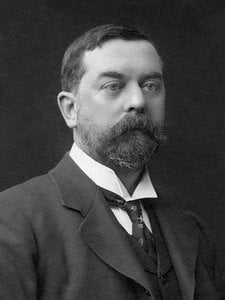
1856 - 1925 , Itálie
 Náhled v interiéru
 Sdílet
 Sdílet
 Podrobnosti o díle
 Průvodce

 Stáhnout
 Podobné položky
 Rentgenové snímky
 Slideshow
 Otázky a odpovědi
 Statistiky

 Zobrazit více


