A Life Immersed in Light and Society
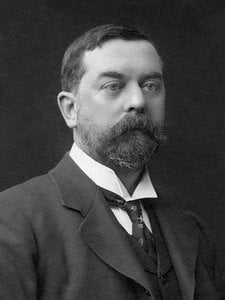
John Singer Sargent, jméno synonymum s éterickou elegancí portrétů z dob Zlaté éry, byl americký umělec, který většina svého života věnovala rozvíjení svého řemesla v evropském uměleckém světě. Narodil se ve Florencii, Itálie, v roce 1856 jako syn amerických exulantů, Fitzwilliam a Mary Newbold Sargentových, jehož dětství bylo naprosto nekonvenční. Rodinná nomádská existence – neustále putování Francií, Německem, Itálií a Švýcarskem – vložila do mladého Johna kosmopolitní citlivost a brzký kontakt s uměleckými pokladami Evropy. Místo formálního vzdělávání se jeho vzdělání odehrálo v muzeích a starobylých kostelích, což podpořilo vizuální gramotnost, která hluboce ovlivnila jeho umělecké vizi. Tato stěhovavá dětství, i když postrádala tradiční strukturu, poskytla bohatou kulturní zkušenost, která poháněla jeho rozvíjející se talent. Jeho otec, chirurg, a matka, amatérská malířka, podpořili jeho zájmy, brzy si uvědomili pozoruhodnou schopnost Johna v pozorování. Byla zřejmá od mládí, že jeho cestou není medicína ani konvenční povolání, ale umění.
Od Pařížské Atelieru k Portrétnímu Mistru
V roce 1874, ve věku osmnatřiceti let, se John Singer Sargent vydal na klíčový kapitál svého uměleckého rozvoje tím, že vstoupil do dílny Caroluse-Durana v Paříži. Tato mentorská spolupráce byla transformační. Duranova důraz na *přímé malování* – techniku, která zřekla předběžných skic ve prospěch okamžitého nanášení barvy na plátno – zdokonalila již impozantní technické dovednosti Johna a vložila do něj úžasnou schopnost zachytávat podobnosti s rychlostí a přesností. Byl to revoluční přístup, který podporoval odvahu a spontánitu, a stal se charakteristickým rysem Sargentova stylu. Absolvoval Duranovy lekce s naprostou oddaností, mistrovsky zvládne umění zachycovat nejen fyzickou podobnost, ale i samotnou esenci svých modelů. Současně se zapojil do studia na École des Beaux-Arts, kde dále zdokonaloval své dovednosti v kreslení z forem a živých modelů. Nicméně, podíl ve stylu španělských mistrů jako Velázquez, kterého potkal během formativní cesty do Španělska v roce 1879, skutečně rozpalil Sargentovu uměleckou fantazii. Byl okouzlán Velázkuevým mistrovským používáním světla, štětce a psychologického hloubky – vlastnosti, které se snažil napodobit ve své tvorbě. Začal studovat jeho díla s obdivem a inspirací.
Navigace mezi Slávou, Skandály a Uměleckou Evolucí
Sargent rychle získal postavení žádaného portrétisty v Paříži a přitahoval si objednávky od šlechtických vrstevníků. Nicméně jeho vzestup nebyl bez výzev. Odhalení *Madame X* (Portrét Madame Pierre Gautreau) na salonu v roce 1884 vyvolalo škodolibost, která ohrozila jeho rozvíjející se kariéru. Portrét mladé Virginie Amélie Avegno Gautreau s její bledou pletí, sugestivní pózou a spadlou stuhou byl považován za provokativní a kontroverzní pařížskou společností. I když Sargent později stužku opravil, škoda byla učiněna. Zklamán skandálem se v roce 1886 přestěhoval do Londýna, kde našel přijatelnější publikum pro své talenty. V Londýně pokračoval v portrétování bohatých a významných osobností, zachycujíc opulentní a sociální dynamiku Edwardiánské éry s neuvěřitelnou zručností. Přesto se Sargentova umělecká ambice rozšiřovala za hranice objednaného portrétu. Toužil po větší kreativitě a stále více se věnoval krajinomalbě a studiím *en plein air*, přijímal impresionistický styl charakterizovaný volným štětcem, živými barvami a zaměřením na zachycení mihotavých okamžiků světla a atmosféry. Tyto krajiny odhalují jinou stránku Sargenta – méně soustředěnou na sociální status a více směřovanou k kráse přírodního světa.
Trvalé dědictví: Za hranicemi portrétu
Ačkoli je oslavován jako „vedoucí portrétista své generace“, Sargentovo umělecké dědictví se rozšiřuje daleko za jeho mistrovské zobrazení společenských osobností. Jeho klíčová díla, jako je *El Jaleo*, dynamické znázornění španělských tanečníček a *Carnation, Lily, Lily, Rose*, klidné znázornění dvou mladších dívek v anglickém zahradě, demonstrují jeho všestrannost a technickou brilanci. Později ve svém životě se pustil do ambiciózních muralových projektů, včetně monumentální cyklu v Boston Public Library, který ukazoval jeho schopnost přenést svou uměleckou vizi na velký rozměr. Jeho vliv lze nalézt v dílech následných generací umělců, kteří obdivovali jeho technickou zručnost, odvážný štětec a schopnost zachytávat jak fyzickou podobnost, tak psychologickou hloubku. Objev jeho dříve opomíjených mužských nude v 80. letech výrazně rozšířil naše chápání Sargenta jako umělce. Jeho malby stále fascinují publikum po celém světě a nabízejí poutavý pohled na minulou éru, zatímco současně překračují čas díky své trvalé kráse a technické zručnosti. Bezpochyby je jedním z nejvýznamnějších amerických umělců své generace, jehož dílo inspiruje a provokuje obdivující pohledy.
Vlivy a Umělecké Rodinné Vztahy
- Carolus-Duran: Jeho učitel, který mu vložil do něj techniku přímého malování a povzbuzoval spontánnost.
- Diego Velázquez: Sargent hluboce obdivoval Velázkuev mistrovský přístup k světlu, štětci a psychologické hloubce, zejména v jeho španělských dílech.
- Impressionismus: Důraz impresionistů na zachycení mihotavých okamžiků a atmosférických efektů zásadně ovlivnil jeho krajinářské malby, což vedlo k volnějšímu, expresivnějšímu stylu.
- James Abbott McNeill Whistler: Sargent sdílel s Whistlerem zájem o estetiku a snahu o „umění pro umělecké účely“, který ovlivnil jeho přístup k kompozici a barvě.



 Náhled
 Přepnout na tisk
 Sdílet
 Sdílet
 Podrobnosti o díle

 Stáhnout
 Podobné položky
 Rentgenové snímky
 Slideshow
 Statistiky


 Zobrazit více






































 Skleněná varianta je dostupná pouze u rozměrů menších než 110 cm