


 WatercolorWallArtImpressionism
 190719th Century
 25.0 x 35.0 cm
Ručně malovaná olejná barva na plátně ve vašem zvoleném rozměru i s rámem, vyrobená našimi umělci na zakázku. ( Koupit tisk Koupit obrázek)





























Vyberte si z našich přednastavených velikostí, které odpovídají původním proporcím díla.

Můžete zadat vlastní rozměry pro konkrétní rám nebo prostor. Pokud se vámi vybraná velikost neshoduje s proporcemi původního obrazu, dílo buď ořízneme, nebo jej doplníme ručně malovanými prvky. Před zahájením výroby vám bude zaslán digitální náhled ke schválení.
Upozorňujeme, že náhled na obrazovce neodpovídá skutečnému ořezu ani rozšíření. Pouze digitální náhled přesně zobrazí finální kompozici.
Ačkoliv je možné zvolit vlastní velikost, pro zachování původních proporcí doporučujeme vybrat rozměr z předdefinovaného seznamu.
Celosvětová doprava () za 3–4 týdny namísto standardních 5 týdnů. (7 září). Bez kompromisů v kvalitě.


Boboli Gardens
Rozměry reprodukce
John Singer Sargent’s "Boboli Gardens," painted in 1907, is more than just a depiction of a beautiful Italian garden; it's a masterful study in light, atmosphere, and the fleeting moments of leisure. This watercolor piece, measuring 25 x 35 cm, transports viewers to Florence, Italy, capturing the essence of a peaceful afternoon amidst the grandeur of the Boboli Gardens. The painting showcases two ornate fountains crowned with statues, nestled within a landscape of lush trees and verdant bushes. Scattered throughout are figures enjoying the idyllic surroundings, adding life and movement to the scene.
Sargent’s composition is characterized by its elegant simplicity. The fountains serve as central focal points, drawing the eye while maintaining a sense of balance within the frame. His use of watercolor is particularly noteworthy; it lends a remarkable freshness and spontaneity to the work. Unlike oil paints which allow for layering and blending, watercolor demands a swiftness and confidence in application. Sargent’s brushstrokes are loose yet deliberate, capturing the dappled sunlight filtering through the foliage and reflecting off the water's surface. The inclusion of pencil adds a layer of delicacy and precision, defining architectural details and enhancing the overall sense of realism. This combination of techniques creates a luminous effect, characteristic of Impressionistic style.
"Boboli Gardens" exemplifies Sargent’s skill in blending Realism with Impressionistic sensibilities. While grounded in observed reality – accurately portraying the architecture and landscape of the Boboli Gardens – the painting transcends mere representation through its emphasis on capturing fleeting moments of light and atmosphere. Sargent was known for his ability to portray luxury and leisure, and this piece is no exception; it evokes a sense of tranquility and refined enjoyment. The work shares stylistic similarities with other pieces by Sargent, such as "The Spanish Fountain," demonstrating a recurring fascination with Italian gardens and their inherent beauty.
Painted in 1907, “Boboli Gardens” reflects the artistic climate of the Edwardian era. Sargent, an American expatriate living primarily in Europe, was at the height of his career, celebrated for his portraits and landscapes that captured the elegance and sophistication of high society. The Boboli Gardens themselves are steeped in history, having been transformed into a Renaissance garden by the Medici family in the 16th century. They represent not only horticultural artistry but also the power and patronage of one of Florence’s most influential families. Symbolically, the fountains within the painting can be interpreted as representing abundance, prosperity, and leisure – hallmarks of the era Sargent depicted.
“Boboli Gardens” evokes a sense of peace and serenity. The soft colors, gentle light, and relaxed figures create an atmosphere of tranquility that invites contemplation. It’s a scene that resonates with viewers seeking respite from the bustle of modern life. Sargent's ability to capture not just what he saw but also how it *felt*—the warmth of the sun, the stillness of the air—is what makes this watercolor so enduringly appealing. The painting serves as a timeless reminder of the beauty and tranquility that can be found in nature and art.


1856 - 1925 , Itálie

Discover the ethereal beauty of watercolor through an art-historical lens. Master the delicate balance of light, fluidity, and pigment to capture the luminous essence of nature, inspired by the legendary techniques of the Old Masters and Impressionist greats.

Discover the breathtaking elegance of John Singer Sargent's masterpieces. From iconic Gilded Age portraits to impressionistic landscapes, explore the technical brilliance and timeless allure of this American master through our premium, hand-painted fine art reproductions.

Discover the luminous mastery of John Singer Sargent. Explore an expert analysis of his legendary light, Gilded Age elegance, and technical brilliance, perfect for fine art enthusiasts seeking to bring timeless classical beauty into their modern collections.

Discover the ethereal beauty of premium watercolor reproductions and bespoke commissions at WahooArt. From museum-quality landscapes to custom AI-enhanced portraits, our master artists deliver unparalleled craftsmanship and white-glove service for discerning collectors worldwide.
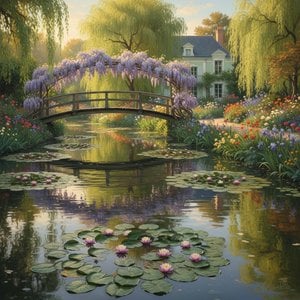
Embark on a visual journey through Claude Monet's Giverny. Discover the enchanting light, vibrant colors, and breathtaking landscapes of his legendary gardens through an expert exploration of Impressionist mastery and timeless beauty.

 Náhled
 Sdílet
 Sdílet
 Podrobnosti o díle

 Stáhnout
 Podobné položky
 Rentgenové snímky
 Slideshow
 Zobrazit více







 Skleněná varianta je dostupná pouze u rozměrů menších než 110 cm


