Giclée nebo plátěný tisk muzeální kvality s rychlou výrobou a širokou nabídkou povrchových úprav. ( Koupit ručně malovaný obraz Přepnout na digitální obraz)





























Vyberte si z našich přednastavených velikostí, které odpovídají původním proporcím díla.

Zadejte šířku a výšku, které potřebujete pro váš rám nebo stěnu. Tisk lze pouze oříznout, nikdy však nelze zvětšit obraz nad jeho původní rozměr, proto při výběru jiného formátu dochází ke ztrátě části obrazu. Před samotným tiskem vám zašleme digitální náhled k schválení. Obraz zobrazený na této stránce nenabízí skutečný výřez — ten uvidíte pouze v náhledu.
Celosvětové doručení () do 2 týdnů namísto standardních 4/5 týdnů. (15 listopad)
William Pitt
Rozměry reprodukce
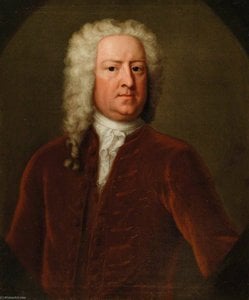
The gaze of William Pitt meets the viewer through this oil on canvas, a work emerging from the studio of John Hoppner. The portrait captures the statesman in a moment of heavy stillness, rendered with a sense of gravity that lingers on the surface. It is a work from circa 1805 or after, a period when the subject's presence in British politics was deeply felt. The scale of the image, measuring 55 1/2 in. x 42 1/2 in. (1410 mm x 1080 mm), gives the figure a physical weight that commands the space around it.
John Hoppner’s studio provides the hand behind this depiction, translating the likeness of the man into a study of light and shadow. The paint sits upon the canvas, building a presence that feels immediate and substantial. Every brushstroke contributes to the quiet intensity of the sitter, holding him in a permanent state of contemplation. The work exists as a direct encounter with a man who shaped the direction of a nation, frozen here in the medium of oil.
The subject emerges from a dark, indistinct background, positioned in a bust-length portrait that feels immediate and heavy with presence. He sits slightly off-center, his gaze directed toward the viewer's left, creating a sense of quiet, internal movement. Light descends from the upper left, carving out the contours of his face and neck with a soft, directional glow. This interplay of light and shadow grants the figure a palpable three-dimensional volume, pulling him forward from the atmospheric gloom behind him.
The color palette remains somber and grounded, relying on a restrained selection of earthy, muted tones. Browns, ochre, and cream dominate the scene, while subtle flesh tones define the skin. There is a tactile quality to the surface, where the texture of the canvas peeks through the layers of paint. The brushwork appears smooth and blended, particularly in the soft transitions of the background and the heavy folds of the clothing, yet it maintains enough definition to trace the sharp structure of the facial features and the weight of the coat.
The origins of this portrait trace back to a private commission by Lord Mulgrave, who sought to capture the likeness of the statesman. The artist began the work in December 1804, and the final brushstrokes were applied on the 28th of October, 1805. This specific version, identified as NPG L267, exists as a studio copy of the original portrait. While the primary work was intended for the Mulgrave family, the demand for the image grew rapidly among the subject's supporters, leading to many bespoke copies being produced by the artist's studio.
The movement of this painting through various collections reflects its enduring presence in British history. It currently resides within the collection of the Tate, though it is frequently seen on loan to the National Portrait Gallery in London. This arrangement allows the work to remain accessible to those tracing the political landscape of the era. The provenance of the piece is deeply intertwined with the social circles of the time, as the portrait's popularity ensured that many versions circulated among the elite of the Regency period.
The portrait stirs a profound tension between those who see its technical brilliance and those who recoil from its unflinching honesty. To some observers, the work represents the artist's finest achievement, a peak of his creative ability. Yet, this praise is met with sharp, visceral condemnation from those who knew the man behind the statesman. One contemporary observer famously dismissed the image as a vile picture, finding the depiction far too harsh to be a true likeness.
The debate centers on the psychological weight carried in the subject's expression. Critics have argued that the face appears anxious and diseased, as if reddened by wine and soured by the heavy burden of disappointment. There is a sense that the portrait captures a man at his breaking point, a version of the statesman that many found difficult to accept. This perceived severity led some to suggest that the likeness was almost too unflattering, questioning if such a grim portrayal should ever have been intended for a man of his standing.
While some find the work's power in its ability to strip away the veneer of political dignity, others see it as a departure from the idealized grace expected in high-society portraiture. The tension remains: is this a profound study of a man weathered by his duties, or a failure to capture the youthful spirit of a leader? The brushstrokes hold both the weight of a statesman's exhaustion and the controversy of a likeness that refuses to look away from the toll of power.
The portrait resides within the National Portrait Gallery in London, United Kingdom. Visitors find the subject waiting for them on the third floor, specifically positioned in Room 18. It exists as a vital part of the National Portrait Gallery collection, though its presence in the gallery is a temporary arrangement. The work is currently on loan from the Tate Gallery, which maintains its primary stewardship.
Walking through the halls of the museum, one encounters this depiction of the statesman in a space dedicated to the faces that shaped a nation. The lighting in the gallery room catches the subtle textures of the oil on canvas, allowing the viewer to observe the heavy shadows and the serious expression of the sitter. It remains a central fixture for those tracing the political history of the United Kingdom through its visual records.
The artist's hand moves through other lives and faces, capturing the essence of the Georgian era with a similar command of light. In one notable work, he presents Mrs. Jordan as Viola in 'Twelfth Night', a piece that highlights his celebrated ability to render women and children. This portrait reveals a specific skill that defined his career, much like the way he handles the textures and shadows in his other commissions. He moves between the heavy gravity of statesmen and the softer, more spirited depictions of his female sitters, always maintaining a sense of physical presence.
His reach extends into the highest circles of British society, where he finds himself painting the very figures who shape the nation. He captures the likeness of the Prince of Wales, a man whose patronage helped secure Hoppner's position among the elite. This ability to navigate the social landscape is evident in his portraits of influential men like Lord Hugh Seymour. Each sitter emerges from the dim, atmospheric backgrounds with a distinct vitality, whether they are members of the royal court or prominent figures of the military and aristocracy.
The artist's brush also finds its way to the faces of those who leave their own marks on history, such as in his portrait of Thomas Williams. Through these various subjects, a pattern of character emerges. He uses chiaroscuro to sculpt forms, pulling his subjects forward from the shadows to create a sense of depth. Whether he is working on a formal bust-length portrait or a more expansive composition, his touch remains loose and free, avoiding a rigid or overly precious finish in favor of a living, breathing likeness.
Reprodukce díla „William Pitt“ se skvěle hodí do Office.
Dílo „William Pitt“ od John Hoppner má Classic atmosféru a doporučujeme jej do Office. Nálada představuje to, co dílo vnáší do okolního prostoru.
Pokud si chcete pořídit tisk díla „William Pitt“ od John Hoppner, stačí si jej objednat přímo na jeho stránce Kvalitní umělecký tisk: umělecký tisk na bavlněném plátně nebo archivním plátnovém papíře.

John Hoppner se narodil v roce 1758 v londýnské čtvrti Whitechapel v německé rodině. Jeho matka pracovala jako jedna z německých služebných na královském paláci, což byla vazba, která od samého počátku umístila celou rodinu v blízkost dvora. Toto rané prostředí zásadně ovlivnilo jeho životní cestu, ačkoliv jeho prvotní ambicí byla hudba, nikoliv výtvarné umění. Jako malý chlapec sloužil jako stihon v královské kapli; tato role sice vyžadovala velkou disciplínu, ale nakonec nedokázala udržet jeho zájem proti jeho přirozené sklonu k malířství.
Jeho oficiální vstup do světa umění nastal v roce 1775, kdy vstoupil na Královskou akademii. Díky institucionální uznání rychle prokázal svou technickou zdatnost. V roce 1778 získal stříbrnou medaili za kresbu z živého modelu, což bylo praktické potvrzení jeho pozorovatelských schopností. Do roku 1782 si pak vybojoval zlatou medaili Akademie za historické malířství, cožho dosáhl díky své práci na tématu Král Lear. Tento raný úspěch položil technické základy pro portrétní malbu vysoké společnosti, která mu měla definovat celou kariéru.
John Hoppner si vybudoval pevné místo v nejvyšších sférách britské společnosti tím, že dokázal zachytit podoby nejvlivnějších postav své éry. Jeho schopnost orientovat se v zakázkách vysoké společnosti mu otevřela dveře až do královských sídel; jeho portréty prince Walesa, vévoda a védivna Yorků, lorda Rodneyho a lorda Nelsona byly vystaveny v královských apartmánech v St. James's Palace. Tato umístění nebyla pouhým zdobením, ale jasným znamenátkem jeho profesního statusu. Ačkoliv mu historické malby přinesly brzké uznání, právě jeho portréty žen a dětí byly kritiky neustále označovány za jeho nejúspěšnější tvorbu.
Jeho schopnost zachytit charakter postavy je nejvíce patrná v díle Mrs. Jordan jako Viola v 'Dvanácté noci', které je dnes součástí sbírky English Heritage v Londýně ve Spojeném království. Tento kus dokonalé práce demonstruje specifický talent, který definoval jeho celou kariéru. Kromě plátna se však Hoppner angažoval i v literární kultuře své doby. V roce 1803 vydal A Series of Portraits of Ladies a do roku 1805 představil svazek překladů východních pohádek do anglického verše. Tyto ambiciózní kroky vykreslují obraz umělce, jehož vliv zasahoval hluboko do intelektuální i sociální struktury tehdejší společnosti.
Technická identita Johna Hoppnera je neoddělitelnou součástí jeho mistrovského ovládání barvy. Byl široce považován za vynikající koloristu, který využíval precizní kontrolu pigmentů k definování svých postav. Jeho přístup nebyl nikdy strohý ani nadměrně detailní; naopak, jeho rukodělný projev byl charakterizován šířkou a svobodou. Tato neváhavost mu umožnila překonat pouhou imitaci reality a vdechnout svým portrétům specifickou vitalitu, která odlišovala jeho dílo od rigidních akademických tradic tehdejší éry.
Nad metodou Johna Hoppnera se stínem klade i postava Joshua Reynoldsa. Byl na něj silně ovlivněn a přijal způsob práce, který odrážel citové vnímání tohoto uznávaného mistra. Tento vliv je nejvíce patrný v tom, jak jeho obrazy nesou jemný odraz Reynoldsova kouzla, zejména v práci se světlem a v té jemné, malířské atmosféře, která obklopuje jeho modelované. John Hoppner však styl pouze nekopíroval; on adaptoval jeho principy tak, aby vyhovovaly jeho vlastním expresivním potřebám.
V praxi to vyústilo ve styl, který vyvažoval naturalismus s určitou aristokratickou elegancí. Používal chiaroscuro ke sculptování forem a vyváděl postavy z temných pozadí prostřednictvím dramatické hry světla a stínu. Tato technika byla obzvláště účinná v jeho ztvárnění textur, jako jsou jemné detaily vlasů nebo těžké záhyvy akademických rouch. Jeho schopnost ovládat tyto prvky zajistila, že jeho portréty disponují fyzickou přítomností, která zůstává srozumitelná i pro moderní oko.
Profesionální život Johna Hoppnera definovala intenzivní rivalita s Thomasem Lawrenceem. Tento soupeření nešlo pouze o prestiž, ale o přímý boj o pozornost londýnské elity. Napětí mezi těmito dvěma postavami se projevilo i v nejpraktičtější podobě v letech 1803 až 1809, kdy oba umělci pracovali se stejným asistentem, kterým byl Samuel Lane. Tento překryv v personálu jasně ilustruje, jak úzké a konkurenční bylo trhové prostředí portrétního malířství v této době.
Jeho profesionální sítě se však sahaly i k významným spoluprácím, které se dotýkaly nejvyšších sfér britského umění. Kolem roku 1788 přispěl k dílu Thomasa Gainsboroughe, když konkrétně namaloval pozadí k portrétu Charlotte, hrabiny Talbotové. Úzce spolupracoval také s rytiną Charlesem Wilkinem při realizaci své série portrétů. Tyto partnerství dokazují, že jeho tvorba využívala vysoce strukturovaný systém technických specialistů, aby svá díla mohla představit i širšímu publiku.
Přítomnost, kterou John Hoppner zanechal v nejvýznamnějších světových sbírkách, potvrzuje jeho přesah daleko za hranice Británie. Ve Spojených státech si své dvě práce uchovává Metropolitan Museum of Art v New Yorku, zatímco Taft Museum of Art v Cincinnati chrání další dvě díla. Tyto kusy nám nabízejí přímý pohled na jeho neuvěřitelnou schopnost pracovat s barvou a formou v rámci vysokoslaveného portrétního malířství jeho éry.
Ve Spojeném království je jeho odkaz rozprostřen mezi několik klíčových institucí. English Heritage v Londýně uchovává významné dílo, konkrétně Mrs. Jordan jako Viola v 'Dvanácté noci', které slouží jako jasný důkaz jeho mistrovství v portrétní tvorbě. Národní námořní muzeum v Londýně rovněž vlastní jeden z jeho obrazů, což zajišťuje, že jeho vliv zůstává viditelný v rámci britské námořní i sociální historie. Navíc v kolekci své sbírky udržuje jedno jeho dílo i Národní knihovna Walesu v Aberystwyth.

1758 - 1810 , Spojené království
 Náhled v interiéru
 Sdílet
 Sdílet
 Podrobnosti o díle
 Průvodce

 Stáhnout
 Podobné položky
 Rentgenové snímky
 Slideshow
 Otázky a odpovědi
 Statistiky


 Zobrazit více









 Skleněná varianta je dostupná pouze u rozměrů menších než 110 cm