BEZPLATNÉ UMĚLECKÉ PORADENSTVÍ

x
Objednat reprodukci Objednat reprodukciKoupit digitální obrázek Koupit digitální obrázek SdíletSdílet
DetailsDetails Přidat do oblíbených Přidat do oblíbených StáhnoutStáhnout Podobné položkyPodobné položky X-RayX-Ray SlideshowSlideshow

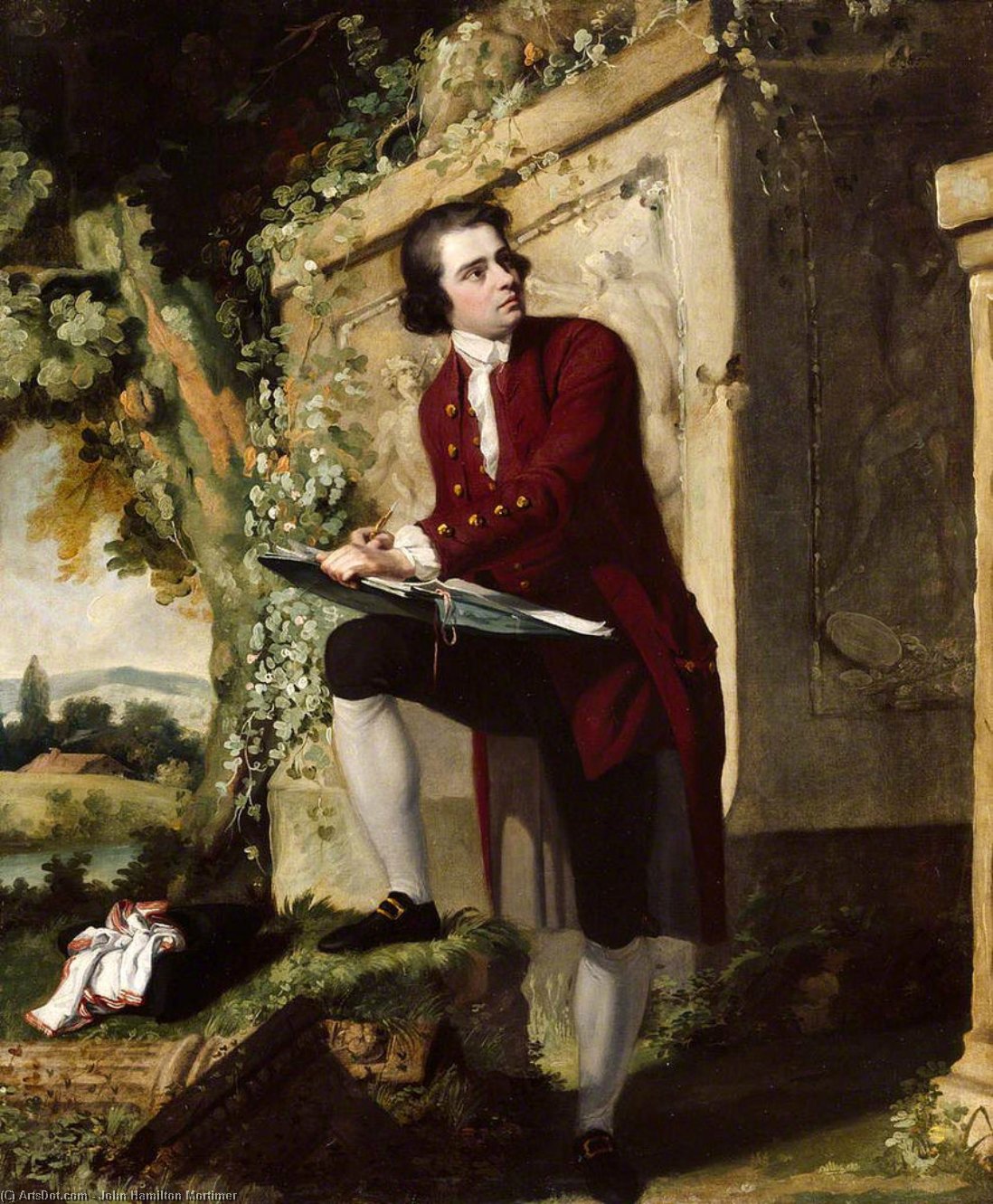
Self Portrait

John Hamilton Mortimer (1740–1779) byl britský malíř známý romantickými italenskými krajinami, dramatickými válečnými scénami inspirovanými Salvatorem Rosou a historickými obrazy. Prezident společnosti umělců.

Giclée / Umělecký tisk

Giclée nebo plátěný tisk muzeální kvality s rychlou výrobou a flexibilními možnostmi povrchové úpravy.

Standard
custom
CM
INCH

Vyberte si z našich přednastavených velikostí, které odpovídají původním proporcím díla.

šířka
výška

Můžete zadat vlastní rozměry tak, aby výtvor odpovídal konkrétnímu rámu nebo prostoru. Pokud zvolená velikost nebude odpovídat poměru stran původního obrazu, dílo buď ořížeme, nebo obraz rozšíříme pomocí zrcadlového efektu či jednobarevného okraje. Před zahájením výroby vám bude zaslán digitální náhled k schválení.
Mějte prosím na paměti, že náhled na obrazovce neodráží skutečné oříznutí nebo rozšíření. Pouze digitální náhled přesně zobrazí finální kompozici.
Ačkoliv jsou k dispozici i vlastní rozměry, pro zachování původních proporcí doporučujeme vybrat si rozměr z předdefinovaného seznamu.

Celosvětové doručení () do 2 týdnů namísto standardních 4/5 týdnů. (2 červenec)

why_choose_icon
Zdarma celosvětová expresní doprava
why_choose_icon
Vysoce kvalitní lněné plátno
why_choose_icon
Kompletní přepravní pojištění
why_choose_icon
Záruka vrácení celního poplatku
why_choose_icon
Záruka přesného barevného shodu
why_choose_icon
60denní lhůta pro vrácení zboží (pouze při vadách výroby)
why_choose_icon
100% garance vrácení peněz
why_choose_icon
Sleva při hromadné objednávce

Celková cena

-

reproduction

Self Portrait

Giclée / Umělecký tisk

Rozměry reprodukce

-

Celková cena za výběr

-


Biografie umělce

John Hamilton Mortimer (1740–1779): A Life Painted in Romantic Hues

John Hamilton Mortimer, a name perhaps less instantly recognizable than his contemporaries like Reynolds or Wright of Derby, nevertheless occupies a significant and fascinating niche within the landscape of 18th-century British art. His brief but intensely productive life—he died at just thirty-nine years old—was marked by artistic ambition, a restless spirit, and an evolving style that mirrored the shifting tastes of his era. Born in Eastbourne, United Kingdom (1740), Mortimer’s legacy resides not merely in individual canvases but in his role as a pivotal figure bridging classical tradition with the burgeoning Romantic movement.

Early Influences and Artistic Formation

Mortimer's artistic journey commenced at the Duke of Richmond’s Academy in London, where he forged an enduring friendship with Joseph Wright, a bond that would prove mutually supportive throughout their careers. This formative connection instilled within him not only technical prowess but also a keen awareness of the intellectual currents reshaping British art – specifically, the burgeoning fascination with dramatic narratives and emotive landscapes. Studying alongside fellow talents like Thomas Jones and William Pars at St Martin’s Lane Academy solidified his grounding in classical principles, mirroring the stylistic sensibilities prevalent during his time. His early studies focused on Michelangelo's *Bacchus* and life drawings, establishing a foundation for meticulous observation and skillful representation. The prize awarded for these endeavors underscored his dedication to mastering artistic technique and capturing the essence of human form with precision.

From History to Bandits: The Evolution of a Style

Mortimer swiftly gained recognition for his historical paintings, notably *St Paul Preaching to the Ancient Druids in Britain*, which remains housed in the Guildhall at High Wycombe. These works demonstrated a commitment to storytelling and an ability to convey dramatic moments—qualities that would become hallmarks of his oeuvre. However, Mortimer wasn’t content with simply replicating established styles; he possessed a remarkable sensitivity to changing aesthetic preferences. He recognized the influence of Salvator Rosa, the 17th-century Neapolitan painter celebrated for his wild, untamed scenes of outlaws and dramatic landscapes—a stylistic choice that foreshadowed the Romantic movement's ascendancy. His embrace of this aesthetic resonated with a growing desire for expressive emotion and imaginative vision. He even created an etching after Rosa’s self-portrait, demonstrating his profound admiration for the artist’s rebellious spirit.

Collaboration and Artistic Leadership

Mortimer wasn’t solely a solitary painter; he actively engaged in collaborative projects with fellow artists. Frequently contributing figure work to compositions by others—most notably assisting Thomas Jones on ambitious canvases like *A Land Storm, with the Story of Dido and Aeneas*, *The Death of Orpheus*, and a pair of paintings inspired by Milton’s *Allegro* and *Penseroso*—highlighted his versatility and willingness to contribute his skills to larger artistic endeavors. These collaborations underscored his understanding of collective creativity and the importance of shared vision within an artistic milieu. Furthermore, Mortimer played a crucial role in the decoration of Brocket Hall, Hertfordshire, working alongside Francis Wheatley and James Durno on the saloon’s opulent interior—a testament to his ability to translate conceptual ideas into tangible visual form. His election as President of the Society of Artists in 1774 solidified his position within the artistic community and afforded him considerable influence during a period of transformative change.

A Legacy Tempered by Early Loss

Despite his successes, Mortimer’s career was tragically curtailed by an undocumented illness on February 4th, 1779. His marriage to Jane Hurrel seemed to impact his artistic output, and he succumbed at just thirty-nine years old—a premature end that robbed the art world of a promising talent. Though he exhibited at the Royal Academy in 1778—showing five works including *Sir Arthegal* and bandit scenes—and was elected an Associate shortly before his demise, his potential remained largely unrealized. Criticism from Horace Walpole regarding Mortimer’s stylistic imitation of Salvator Rosa served as a reminder that artistic judgment is subjective and shaped by prevailing tastes. Nevertheless, Mortimer's paintings—characterized by their dramatic compositions, expressive brushwork, and exploration of complex themes—offer a compelling glimpse into the artistic sensibilities of his time. He bridged the gap between classical tradition and Romanticism, paving the way for future generations to embrace emotion, imagination, and narrative in their own creative pursuits. Today, John Hamilton Mortimer is increasingly recognized as a significant figure whose art deserves greater attention and appreciation.
John Hamilton Mortimer

John Hamilton Mortimer

1740 - 1779 , Spojené království

Rychlé fakta

  • Artistic Movement Or Style: Romantismus
  • Artists Or Movements Influenced By This Artist: ['Joseph Wright']
  • Artists Who Influenced This Artist: ['Salvator Rosa']
  • Date Of Birth: 17 září 1740
  • Full Name: John Hamilton Mortimer
  • Nationality: Británie
  • Notable Artworks: ['St Paul Preaching to the Ancient Druids in Britain']
  • Place Of Birth: Eastbourne, Velká Británie