
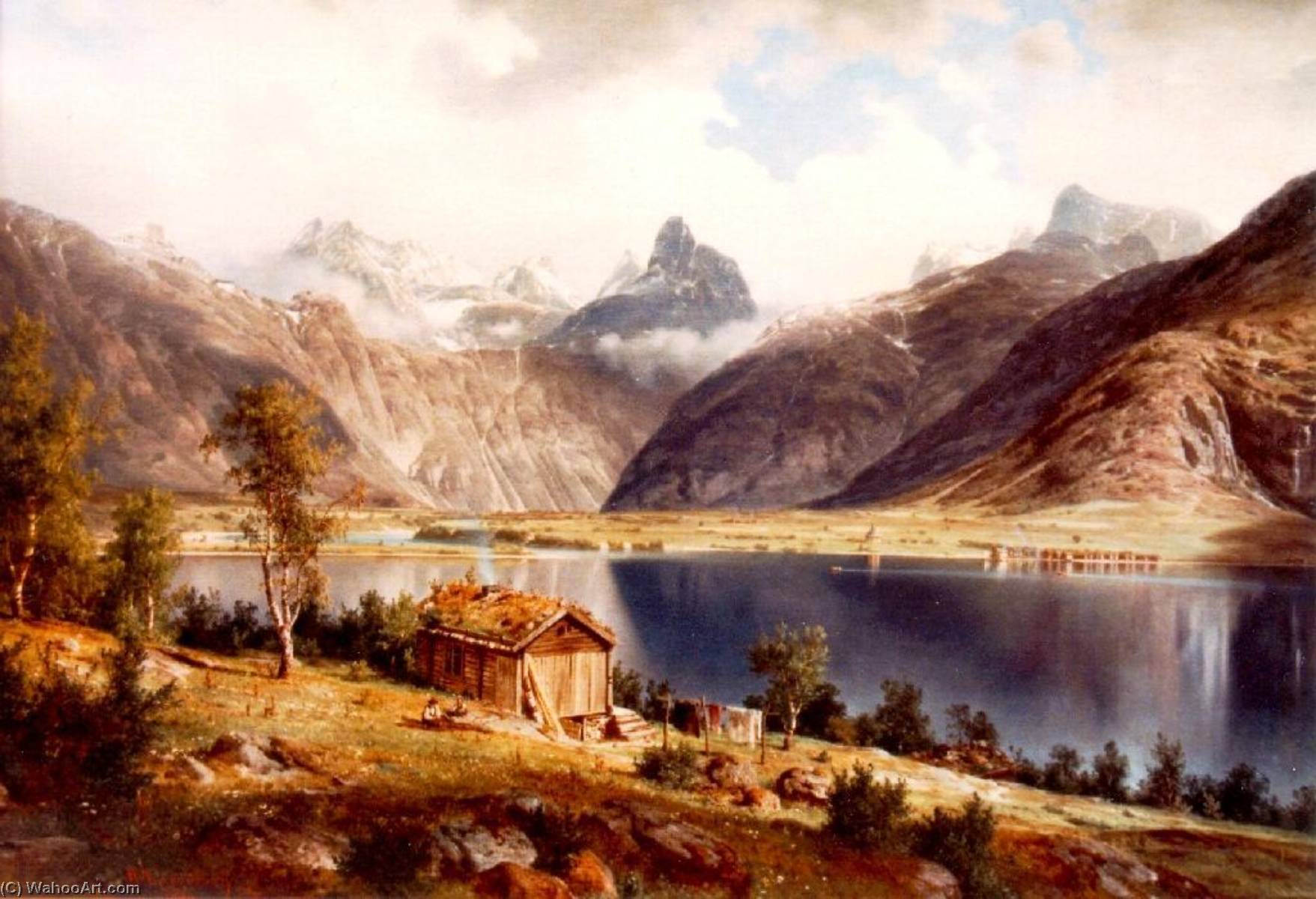
Romsdalshorn (1865) od Johan Fredrik Eckersberg, ručně malovaná olejná reprodukce mistrovským umělcem
Náhled v interiéru Náhled v AR Přepnout na tisk Přepnout na digitální obraz Sdílet
Podrobnosti o díle Průvodce Přidat do oblíbených Stáhnout Podobné položky Rentgenové snímky Slideshow Otázky a odpovědi Prezentace Statistiky

Romsdalshorn Ručně malovaná reprodukce olejomalby

Explore the works of Johan Fredrik Eckersberg, a Norwegian Romantic landscape painter known for his vibrant fjord scenes & national costumes. Discover his art today!

Umělecké dílo zobrazené na této stránce je chráněno autorským zákonem, což znamená, že nemůžeme legálně vytvářet ani prodávat jeho identickou reprodukci. Tato ochrana je vymáhána na základě mezinárodních dohod, jako například Berberská úmluva a národními zákony, včetně těch stanovených v Americký autorský zákon – Díl 17. Všechna práva vyhrazena.

Jako etická a právní alternativa nabízíme vlastní, ručně malovaná umělecká díla inspirovaná originálem. Naši zdatní a profesionální umělci si pečlivě studují styl, náladu a uměleckou podstatu originálu, aby vytvořili nové, jedinečné dílo, které vyvolává stejný pocit – přičemž zůstává samostatným originálním tvůrčím dílem.

Tato metoda je plně v souladu s autorským právem, protože nezahrnuje kopírování ani duplikování chráněného díla. Jde o kreativní reinterpretaci – nový obraz, který je inspirován originálem, ale není s ním identický.

Ručně malovaná olejová reprodukce

Rukou malované olejné plátno v libovolném rozměru i s rámem, vyrobené našimi umělci na zakázku. ( Přepnout na tisk Přepnout na digitální obraz)

Standardní velikost
na zakázku
CM
INCH

Vyberte si z našich přednastavených velikostí, které odpovídají původním proporcím díla.

šířka
výška

Zadejte šířku a výšku, které potřebujete pro váš rám nebo stěnu. Protože se jedná o ruční malbu, při výběru jiného formátu může umělec kolem obrazu domalovat o něco více, nebo jej mírně oříznout — rozhodnete si vy. Před zahájením malby vám zašleme digitální náhled ke schválení. Obraz zobrazený na této stránce neodpovídá skutečnému výsledku — pouze digitální náhled jej zobrazuje.

Příklady možných změn: nahrazení obličeje fotografií zákazníka; přidání domácího mazlíčka (např. nahrazení kočky psem); vložení skrytého vzkazu do pozadí; změna krajiny nebo prvků v pozadí.
Po přijetí objednávky vám tým WahooArt.com zašle e-mail s pokyny a poskytne náhledovou verzi.

Celosvětová doprava () za 3–4 týdny namísto standardních 5 týdnů. (8 listopad). Bez kompromisů v kvalitě.

Zdarma celosvětová expresní doprava
Vysoce kvalitní lněné plátno
Kompletní pojištění přepravy
Záruka vrácení celního poplatku
Záruka věrného barevného souladu
100dení lhůta pro vrácení zboží (pouze při vadách výroby)
100% záruka vrácení peněz
Sleva při více objednávkách

Celková cena

Kč 5921

Romsdalshorn

Technika reprodukce

Rozměry reprodukce

-

Celková cena za vybrané možnosti reprodukcí

Kč 5921


Biografie umělce

Johan Fredrik Eckersberg: Painter of Norwegian Romanticism

Johan Fredrik Eckersberg (1803 – 1876) stands as a pivotal figure in the history of Norwegian art, embodying the spirit of Romanticism and establishing himself as one of Norway’s foremost landscape painters. Born in Bergen, Eckersberg's artistic journey began with formal training in Düsseldorf under Anton Graff, immersing him in the German Romantic tradition – a movement characterized by an intense fascination for emotion, imagination, and the sublime beauty of nature. This formative experience profoundly shaped his stylistic sensibilities and cemented his dedication to capturing the grandeur of the Norwegian fjord landscape.
  • Early Life & Training:
  • Eckersberg’s upbringing instilled in him a deep appreciation for craftsmanship and artistic rigor. His father, a shipbuilder, fostered an early interest in precision and observation—skills that would prove invaluable as he honed his painting technique. Düsseldorf's academy provided him with access to the latest artistic innovations, exposing him to artists like Caspar David Friedrich and influencing his approach to portraying dramatic landscapes.
  • Return to Norway & National Identity:
  • Upon returning to Bergen in 1830, Eckersberg actively championed Norwegian national identity through his art. He embraced the burgeoning nationalist fervor of the era, depicting iconic Norwegian scenes—particularly fjord vistas adorned with traditional costumes—to celebrate the country’s heritage and foster a sense of collective pride. This commitment extended beyond mere visual representation; he served as professor at Bergen Kunstakademi, nurturing the talents of younger artists and shaping the artistic landscape of Norway.

The Fjord Landscape: Eckersberg's Signature Style

Eckersberg’s artistic legacy rests primarily on his masterful depictions of Norwegian fjords. Unlike earlier Romantic painters who often idealized landscapes, Eckersberg achieved remarkable realism—capturing the subtle nuances of light and atmosphere with unparalleled accuracy. His canvases pulsate with vibrant color palettes—deep blues and greens reflecting the crystalline waters of the fjords—and meticulously rendered details conveying the rugged textures of mountainsides and rocky shores. He skillfully employed atmospheric perspective, creating a sense of depth and grandeur that transported viewers into the heart of Norwegian wilderness.
  • Technique & Composition:
  • Eckersberg’s technique involved painstaking layering of glazes—thin translucent washes of paint—to build up tonal gradations and achieve luminous effects. He meticulously studied geological formations and utilized scientific observation to inform his artistic renderings, demonstrating a commitment to both aesthetic beauty and intellectual rigor. His compositions often featured dramatic viewpoints, emphasizing the immensity of the landscape and conveying a feeling of awe.
  • Notable Paintings:
  • Among Eckersberg’s most celebrated works are “Devotions at Porta Santa,” showcasing his ability to convey emotion through architectural grandeur; “Norwegian Nydalen fabrikker malt av Johan Fredrik Eckersberg i 1851”, which powerfully juxtaposes industrial progress with the unspoiled beauty of Norwegian nature; and "Figures in a mountainous river landscape," demonstrating Eckersberg's masterful command of tonal harmony and spatial illusion.

Influences & Legacy

Eckersberg’s artistic vision drew inspiration from German Romanticism, particularly Friedrich’s exploration of sublime landscapes and his preoccupation with spiritual contemplation. However, he also absorbed elements of Dutch Realism—influenced by artists like Rembrandt—resulting in a distinctive blend of stylistic approaches. Eckersberg's unwavering dedication to portraying Norwegian scenery solidified his position as the foremost landscape painter of his time and profoundly impacted subsequent generations of Norwegian artists. His influence extended beyond mere visual style; Eckersberg championed artistic integrity and intellectual curiosity, establishing Bergen Kunstakademi as a beacon of Norwegian art education. Today, Eckersberg’s paintings continue to inspire admiration for their beauty and technical brilliance—serving as enduring symbols of Norwegian Romanticism and testament to the transformative power of art.

Rychlé informace o umělci

  • Full Name: Johan Fredrik Eckersberg
  • Nationality: Norwegian
  • Place Of Birth: Christiania (Oslo)
  • Notable Artworks:
    • Figures in a mountainous river landscape
    • Devotions at the Porta Santa of St. Peter
    • Norwegian Nydalen fabrikker malt av Johan Fredrik Eckersberg i 1851
  • Artistic Movement Or Style: Romantic Landscape Painting
  • Artists Who Influenced This Artist: ['Caspar David Friedrich']
  • Artists Or Movements Influenced By This Artist: ['Romanticism']


































