BEZPLATNÉ UMĚLECKÉ PORADENSTVÍ

x
Objednat reprodukci Objednat reprodukciKoupit digitální obrázek Koupit digitální obrázek SdíletSdílet
PodrobnostiPodrobnosti Přidat do oblíbených Přidat do oblíbených StáhnoutStáhnout Podobné položkyPodobné položky Rentgenové snímkyRentgenové snímky SlideshowSlideshow

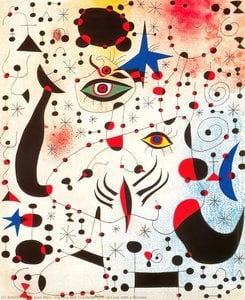
Esperanza

Explore Joan Miró’s ‘Esperanza’! A vibrant abstract painting brimming with hope & joy. Discover surrealism, dynamic composition & symbolic figures in this masterpiece.

Křehká kráska v zrcadle – mistrovské dílo Joan Miró z roku 1919, plné symboliky a podivného kouzla. Objevte surrealistickou hloubku a osobní výpověď tohoto ikonického obrazu.

Giclée / Umělecký tisk

Giclée nebo plátěný tisk muzeální kvality s rychlou výrobou a flexibilními možnostmi povrchové úpravy.

P118B $10
P118H $10
P118W $10
P438Z $10
P508JH $12
P508YH $12
P805H $10
P805Z $10
P919BZ $10
P919G $10
P919XJ $10
P959ZH $10
P968JZ $12
W106C $8
W218G $10
W218JH $8
W218Y $10
W307PJ $10
W316G $10
W316PJ $8
W316Y $10
W398PJ $8
W4111J $10
W500HY $15
W500JH $15
W692G $12
W849H $8
W940BG $15
W953PJ $8

Standard
custom
CM
INCH

Vyberte si z našich přednastavených velikostí, které odpovídají původním proporcím díla.

šířka
výška

Můžete zadat vlastní rozměry tak, aby výtvor odpovídal konkrétnímu rámu nebo prostoru. Pokud zvolená velikost nebude odpovídat poměru stran původního obrazu, dílo buď ořížeme, nebo obraz rozšíříme pomocí zrcadlového efektu či jednobarevného okraje. Před zahájením výroby vám bude zaslán digitální náhled k schválení.
Mějte prosím na paměti, že náhled na obrazovce neodráží skutečné oříznutí nebo rozšíření. Pouze digitální náhled přesně zobrazí finální kompozici.
Ačkoliv jsou k dispozici i vlastní rozměry, pro zachování původních proporcí doporučujeme vybrat si rozměr z předdefinovaného seznamu.

Celosvětové doručení () do 2 týdnů namísto standardních 4/5 týdnů. (4 červenec)

why_choose_icon
Zdarma celosvětová expresní doprava
why_choose_icon
Vysoce kvalitní lněné plátno
why_choose_icon
Kompletní přepravní pojištění
why_choose_icon
Záruka vrácení celního poplatku
why_choose_icon
Záruka přesného barevného shodu
why_choose_icon
60denní lhůta pro vrácení zboží (pouze při vadách výroby)
why_choose_icon
100% garance vrácení peněz
why_choose_icon
Sleva při hromadné objednávce

Celková cena

-

reproduction

Esperanza

Giclée / Umělecký tisk

Rozměry reprodukce

-

Celková cena za výběr

-

Základní informace

  • style: Abstract
  • notable elements: Vibrant colors, dynamic composition, diverse characters
  • movement:
    • Abstract Art
    • Surrealism
  • subject: Figures, animals, musical notes, symbols
  • artist: Joan Miró

Kvíz o umění

U každé otázky je pouze jedna správná odpověď.

Otázka 1:
What artistic movements is Joan Miró most closely associated with?
Otázka 2:
The painting 'Esperanza' is characterized by its...
Otázka 3:
What types of elements are commonly found within Miró's 'Esperanza'?
Otázka 4:
Based on the image description, what is a prominent characteristic of the texture in 'Esperanza'?

Popis sběratelského kousku

A Symphony of Hope: Decoding Joan Miró’s *Esperanza*

Joan Miró's *Esperanza* (Hope) is a captivating journey into the artist’s unique visual language – a realm where biomorphic forms, vibrant colors, and playful symbols converge. This painting isn’t merely an aesthetic experience; it’s an invitation to explore the depths of human emotion and the enduring power of optimism.

The Artistic Landscape of Joan Miró

Born in Barcelona in 1893, Joan Miró i Ferrà stands as a pivotal figure in 20th-century art. Initially influenced by Fauvism and Cubism, he quickly forged his own path, becoming a key player in the Surrealist movement while simultaneously developing a distinctly abstract style. Miró’s work is characterized by its rejection of traditional representation, embracing instead a world of intuitive forms and symbolic imagery. The Fundació Joan Miró in Barcelona serves as a lasting tribute to his innovative spirit and enduring legacy.

Deconstructing *Esperanza*: A Visual Narrative

*Esperanza* exemplifies Miró’s mature style, showcasing a dynamic composition teeming with life. The canvas is populated by an array of enigmatic figures – human-like forms, whimsical creatures, musical notes, and abstract shapes – all rendered in a bold palette of reds, blues, blacks, and whites. These elements aren't arranged randomly; they interact within a carefully balanced space, creating a sense of movement and energy that draws the viewer into Miró’s imaginative world. At least thirteen distinct characters populate the work, each possessing unique characteristics and contributing to the painting’s overall complexity. Some appear engaged in dance or musical performance, while others seem lost in contemplation, adding layers of narrative ambiguity.

Symbolism & Interpretation

Miró rarely offered definitive explanations for his symbols, preferring viewers to engage with his work on a personal level. However, recurring motifs within *Esperanza* offer clues to its underlying meaning. The presence of musical notes suggests harmony and joy, while the biomorphic forms evoke organic growth and vitality. The vibrant colors themselves are imbued with symbolic weight: red often representing passion and energy, blue symbolizing tranquility and hope. Ultimately, *Esperanza* is open to interpretation – a testament to Miró’s belief in the power of art to stimulate imagination and provoke emotional response.

Technique & Style

Miró's technique in *Esperanza* is characterized by its spontaneity and fluidity. He employed oil paints with a loose, expressive brushstroke, allowing colors to blend and interact organically. The flattened perspective and simplified forms are hallmarks of his abstract style, emphasizing the emotional impact of color and composition over realistic representation. The textured surface adds depth and visual interest, inviting close examination.

Miró’s Wider Oeuvre: Complementary Masterpieces

To fully appreciate *Esperanza*, it's helpful to explore other significant works by Miró:
  • The Lark’s Wing, Encircled With Gold Blue: A similarly vibrant and symbolic composition exploring themes of freedom and transcendence.
  • El bello pájaro descifrando lo desconocido a una pareja de enamorados (The Beautiful Bird Deciphering the Unknown to a Couple in Love): A poetic work that blends surreal imagery with romantic undertones.
  • Pájaro en la noche (Bird in the Night): A nocturnal scene filled with mysterious forms and evocative colors.

Emotional Resonance & Interior Design

*Esperanza* radiates a sense of optimism and joy, making it an ideal addition to any space. Its vibrant colors and dynamic composition can enliven a living room, bedroom, or office. The painting’s abstract nature allows it to complement a wide range of interior design styles – from modern minimalist to eclectic bohemian. A high-quality reproduction of *Esperanza* offers a unique opportunity to bring the energy and spirit of Miró's masterpiece into your home or workspace. It is more than just decoration; it’s an investment in beauty, inspiration, and enduring artistic value.

Biografie umělce

A Catalan Visionary: The Life and Art of Joan Miró

Joan Miró i Ferrà, born in Barcelona in 1893, stands as one of the most significant figures in 20th-century art. His journey was not merely a progression through styles but an exploration of inner worlds, translating dreams, memories, and Catalan identity onto canvas with a uniquely poetic visual language. From humble beginnings marked by illness and initial parental reservations about his artistic pursuits, Miró persevered, driven by an innate need to express the intangible—the emotions, sensations, and subconscious currents that lie beneath the surface of reality. His early life was steeped in the traditions of Barcelona, a city brimming with architectural marvels thanks to Antoni Gaudí, whose organic forms would subtly influence Miró’s later abstractions. The goldsmithing profession of his father instilled an appreciation for meticulous craftsmanship, while the rugged Catalan landscape became a recurring motif and source of inspiration throughout his career.

Early Influences and the Path to Surrealism

Miró's formal artistic training began at La Llotja in Barcelona, where he honed his skills in traditional techniques. However, it was exposure to the avant-garde movements sweeping through Paris that truly ignited his creative evolution. The vibrant colors of Fauvism and the fragmented forms of Cubism resonated deeply, prompting him to move to Paris in 1920. This period proved pivotal as he encountered artists like Pablo Picasso and began experimenting with increasingly abstract compositions. Yet, Miró didn’t simply adopt these styles; he synthesized them, forging a path toward his own distinctive aesthetic. He sought to distill forms to their essence, stripping away representational details in favor of symbolic shapes and evocative colors. This exploration led him to the Surrealist group in 1924, aligning him with artists such as Max Ernst and Salvador Dalí. While embracing the Surrealist interest in the subconscious, Miró maintained a unique sensibility—his work was less about shocking imagery or Freudian symbolism than it was about creating a world of playful forms and poetic suggestion. He believed that art should transcend rational thought and tap into the realm of dreams and intuition.

The Catalan Landscape and Artistic Roots

Miró’s formative years were profoundly shaped by his surroundings. Growing up in Barcelona, he absorbed the influence of Gaudí's architectural innovations—the undulating curves and organic textures of Sagrada Familia and Parc Güell—which instilled within him a fascination for natural forms and patterns. The Catalan landscape—characterized by pine forests, rocky mountains, and azure seas—became a constant source of inspiration for his paintings and prints. These elements would reappear throughout his oeuvre, symbolizing resilience, freedom, and the enduring spirit of Catalan culture. His father’s profession as a goldsmith instilled in him an appreciation for precision and craftsmanship, shaping his artistic approach and contributing to his meticulous attention to detail.

Key Works: A Surrealist Universe

Miró's artistic output spanned decades, encompassing painting, sculpture, ceramics, printmaking, and collage—each medium serving as a vehicle for exploring his distinctive vision. The Farm (1922) stands as a seminal achievement, embodying the artist’s synthesis of Fauvist color palettes with Cubist fragmentation. It depicts a stylized Catalan landscape populated by fantastical creatures—birds, snails, and amorphous shapes—creating a dreamlike atmosphere that reflects Miró's preoccupation with subconscious imagery. The series *Dutch Interiors (1928)* demonstrated his ability to reinterpret the Old Masters through a modernist lens, transforming familiar domestic scenes into abstracted compositions infused with Surrealist symbolism. His collaborative efforts with Max Ernst on *Grattage* canvases—particularly *The Elephant Bird*—marked an important stage in his artistic experimentation and showcased his innovative techniques for revealing textures beneath layers of paint. Painting (1933) exemplifies Miró’s commitment to simplifying forms and prioritizing color, resulting in striking images that convey a sense of immediacy and emotional intensity.

Legacy and Enduring Influence

Joan Miró's contribution to modern art is undeniable. He challenged conventional artistic norms and championed abstraction as a means of expressing inner experience—a legacy that continues to inspire artists today. His unwavering belief in the power of imagination and his refusal to compromise on his artistic vision solidified his place among the most influential figures of the 20th century. Miró established two foundations—the Fundació Joan Miró in Barcelona (1975) and the Fundació Pilar i Joan Miró in Palma de Mallorca (1981)—ensuring that his artistic legacy would endure, fostering creativity and promoting dialogue between art and society. His work remains a testament to the transformative potential of art—a vibrant celebration of Catalan identity and an enduring symbol of Surrealist innovation.
Joan Miró

Joan Miró

1893 - 1983 , Španělsko

Rychlé fakta

  • Artistic Movement Or Style: Surrealismo
  • Artists Or Movements Influenced By This Artist: ['Fauvismus']
  • Artists Who Influenced This Artist:
    • Pablo Picasso
    • Cézanne
  • Date Of Birth: 20 aprile 1893
  • Date Of Death: 25 dicembre 1983
  • Full Name: Joan Miró i Ferrà
  • Nationality: Spagnolo
  • Notable Artworks:
    • La Poetisa
    • Dům s palmy
    • Tanečník s zrcadlem
  • Place Of Birth: Barcelona, Spagna
Prozkoumejte umělecká díla uspořádaná podle témat, stylů a charakteristik.