BEZPLATNÉ UMĚLECKÉ PORADENSTVÍ


x


 Koupit tisk Koupit digitální obrázek
 Sdílet
 Details
 Přidat do oblíbených
 Stáhnout
 Podobné položky
 X-Ray
X-Ray
 Slideshow
Ručně malovaná olejná barva na plátně ve vašem zvoleném rozměru i s rámem, vyrobená našimi umělci na zakázku.





























Vyberte si z našich přednastavených velikostí, které odpovídají původním proporcím díla.

Můžete zadat vlastní rozměry pro konkrétní rám nebo prostor. Pokud se vámi vybraná velikost neshoduje s proporcemi původního obrazu, dílo buď ořízneme, nebo jej doplníme ručně malovanými prvky. Před zahájením výroby vám bude zaslán digitální náhled ke schválení.
Upozorňujeme, že náhled na obrazovce neodpovídá skutečnému ořezu ani rozšíření. Pouze digitální náhled přesně zobrazí finální kompozici.
Ačkoliv je možné zvolit vlastní velikost, pro zachování původních proporcí doporučujeme vybrat rozměr z předdefinovaného seznamu.
Celosvětová doprava () za 3–4 týdny namísto standardních 5 týdnů. (1 červenec). Bez kompromisů v kvalitě.


Self-Portrait
Rozměry reprodukce
Jean-François Millet, born in Gruchy, Normandy, in 1814, wasn’t destined for the hallowed halls of artistic academies. Instead, his formative years were inextricably linked to the rhythms of rural life – a landscape he would later translate onto canvas with unparalleled honesty and depth. His family, farmers themselves, instilled within him not just practical skills but also an intimate understanding of the land, its people, and their arduous existence. This grounding in the soil wasn’t merely a backdrop; it became the very foundation of his artistic vision, informing his meticulous observation and profound empathy for those who toiled beneath the sun. Early education was supplemented by the tangible lessons of farm work – sowing seeds, reaping harvests, and enduring the physical demands of rural labor—experiences that would later infuse his paintings with an authentic resonance rarely found in contemporary art.
Millet’s initial exposure to artistic pursuits began through the guidance of local priests who recognized his intellectual curiosity. However, the realities of family life quickly intervened, demanding he contribute to the farm's operations alongside his formal studies. This dual existence—balancing academic learning with the practicalities of rural life—shaped his perspective and instilled a deep respect for the dignity of manual labor, themes that would repeatedly surface in his celebrated works.
Millet's 1841 self-portrait offers an intimate glimpse into the mind and spirit of a burgeoning artist. Painted during a period of significant transition in his career, it transcends a simple likeness to become a carefully constructed statement about artistic ambition and personal reflection. The composition is strikingly direct; Millet confronts the viewer with unwavering gaze, projecting an aura of control and self-assurance—a deliberate choice that speaks volumes about his evolving confidence as an artist.
The attire – a dark suit and tie, indicative of a burgeoning bourgeois identity – subtly contrasts with the rough texture of his beard and mustache. The visible white shirt beneath the jacket hints at a desire to maintain standards of formality while simultaneously acknowledging his roots. This juxtaposition suggests a negotiation between tradition and modernity, reflecting Millet’s own journey as he navigated the changing landscape of 19th-century France. The painting isn't merely a depiction of a man; it’s an exploration of identity—the artist grappling with his place in the world and asserting his artistic voice.
Millet’s self-portrait is a pivotal work within the Realist movement, a reaction against the idealized forms and mythological subjects prevalent in earlier art. He sought to capture the everyday lives of ordinary people—particularly rural laborers—with unflinching honesty and without romanticizing their struggles. This commitment to realism extended beyond mere representation; Millet aimed to convey the dignity inherent in manual labor, portraying his subjects with respect and empathy.
The painting’s stark black-and-white palette further emphasizes this sense of austerity and directness. It mirrors the somber tones often found in Millet's later works depicting peasant life—fields of wheat, harvests, and scenes of rural toil. The lack of embellishment forces the viewer to confront the subject directly, fostering a connection rooted in shared humanity.
WahooArt offers meticulously crafted hand-painted reproductions of Jean-François Millet's Self-Portrait, allowing you to bring this powerful work into your own space. Each reproduction is created by skilled artists who understand the nuances of Millet’s technique and his artistic philosophy. The result is a faithful representation that captures not only the visual details but also the emotional depth and intellectual complexity of the original painting.
More than just a decorative piece, a WahooArt reproduction of Millet's Self-Portrait serves as a poignant reminder of the dignity of labor, the challenges faced by rural communities, and the enduring power of art to illuminate the human condition. It’s an investment in beauty, history, and a profound connection to one of France’s most significant artistic voices.


1814 - 1875 , Francie
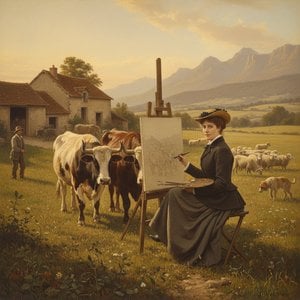
Explore the life & art of Rosa Bonheur, a pioneering Realist painter who redefined women's roles in 19th-century France. Discover her iconic animal paintings and lasting influence on art history. Learn more at WahooArt.

Discover the captivating realist paintings of Léon Augustin L'Hermitte, masterfully depicting French rural life. Explore his technique, influences & legacy – a cornerstone of 19th-century art.

Explore the Barbizon School's pivotal role in 19th-century French painting. Discover how these artists revolutionized landscape art with their commitment to Realism and a profound connection to nature. Learn about key figures like Rousseau, Millet & Corot.
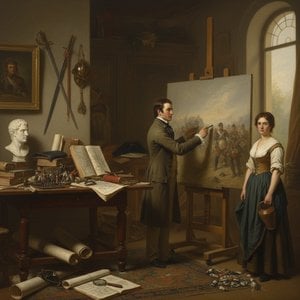
Explore the captivating world of 19th-century Realism! Discover key artists like Courbet, groundbreaking techniques & the social context behind this influential art movement. Expert insights at WahooArt.

Explore the captivating world of Romantic Realism! Discover key artists like Courbet & Millet, masterpieces, and the social context behind this influential art movement. Expert insights for collectors at WahooArt.


Buďte na tahu s nejnovějšími novinkami ze světa umění, exkluzivními nabídkami a inspirativními nápady na dekoraci.
Sdělte nám více o svém projektu a naši odborníci na umění vám připraví 3 personalizované návrhy uměleckých děl.
Nechť pro vás vybereme 3 možnosti – zdarma!
 Sdílet









 Více informací
 Skleněná varianta je dostupná pouze u rozměrů menších než 110 cm