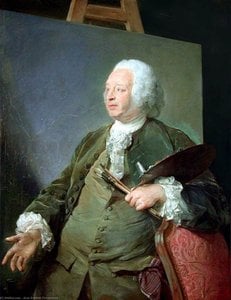
Oil On CanvasWallArtRococo
 1733
1733 57.0 x 46.0 cm
 Wallace Collection
Koupě vysoce rozlišeného, vylepšeného digitálního obrazu, který je mnohem kvalitnější než online náhled.
Každý soubor je pečlivě připraven našimi odborníky pomocí pokročilých nástrojů a expertní manuální retuše. Zajišťujeme, aby každý obraz disponoval výjimečnou ostrostí, přesnou barevnou věrností a jemnými detaily.
Finální soubor vám bude do 72 hodin zaslán e-mailem, optimalizovaný pro okamžité použití v profesionálním, redakčním i tiskovém prostředí. Nabízíme stejnou kvalitu, které důvěřují špičková designová studia, nakladatelství i galerie.
Stáhněte si soubor ve vysokém rozlišení pro osobní prohlížení, tisk a kreativní projekty. ( Koupit tisk Koupit ručně malovaný obraz)
Když si vyberete WahooArt.com, nezískáváte pouze obrázek – získáváte digitální umělecké dílo s profesionálně vylepšenými detaily, zpracované s precizností a podpořené zárukou za spokojenost. Zde je vše, co vaše objednávka automaticky obsahuje:

Váš digitální obraz ve vysokém rozlišení vám bude zaslán e-mailem do 72 hodin od objednávky – připraven k okamžitému použití.

Vaše umělecké dílo je profesionálně optimalizováno pomocí pokročilých nástrojů umělé inteligence a manuální úpravy, což zajišťuje maximální úroveň detailu, ostrosti a přesnosti barev.

Soubor jste omylem smazali nebo ztratili? Žádný problém – kdykoliv vám ho znovu zašleme zcela zdarma.

Užijte si své umělecké dílo okamžitě bez celních poplatků, daní nebo nákladů na dopravu – digitální stažení je vždy bez daňových povinností.

Pomocí profesionálních nástrojů a správy barev zajišťujeme, aby váš digitální obraz odrážel původní barvy co nejvěrněji.

Pokud nebudete s digitální fotografií spokojeni, provedeme její revizi nebo vám vrátíme 100% během 100 dnů – bez jakýchkoliv dotazů.

Nespokojeni? Získejte plnou částku zpět do 100 dní od přijetí vašeho digitálního souboru – bez jakýchkoliv dotazů.

Koupěte si 3 obrazy, ušetřete 10% - Koupěte si 5, ušetřete 15% - Koupěte si 10+, ušetřete 20%. Ideální pro kreativní projekty, galerie a agentury.
Jean-Baptiste Pater's "The Dance," painted in 1733, is more than just a charming depiction of an outdoor gathering; it’s a meticulously crafted window into the heart of 18th-century French Rococo society. This exquisite oil painting, currently housed at the National Gallery in London, captures a fleeting moment of leisurely indulgence – a scene brimming with flirtation, conversation, and the subtle pleasures of aristocratic life. Pater, considered the sole student of Antoine Watteau, masterfully emulates his teacher’s signature style, creating an image that is both instantly recognizable and deeply evocative.
The composition itself immediately draws the eye into a dynamic tableau. A group of elegantly dressed figures – gentlemen in powdered wigs and ladies adorned with elaborate gowns – are engaged in animated conversation amidst a lush, wooded backdrop. The central focus rests on two individuals locked in an intimate exchange, their gestures suggesting a playful flirtation that permeates the entire scene. Pater skillfully employs asymmetry to create visual interest, preventing the composition from feeling static or overly formal. Notice how the figures are arranged not around a single point of action, but rather scattered across the canvas, inviting the viewer to become part of the unfolding drama.
Pater’s technical prowess is evident in every brushstroke. The painting is dominated by a delicate palette of pastel hues – soft pinks, blues, greens, and creams – characteristic of the Rococo style. These muted tones contribute to an atmosphere of refined elegance and understated luxury. Pater's masterful use of layering oil paints creates a remarkable sense of depth and luminosity. He builds up textures with meticulous detail, particularly in the rendering of fabrics, capturing their shimmering quality with astonishing accuracy. The brushwork itself is remarkably light and airy, contributing to the overall feeling of gracefulness and movement.
The artist’s technique also reveals a subtle departure from Watteau's style. While Pater undoubtedly draws inspiration from his mentor, he introduces a more defined sense of line – particularly in the shimmering outlines that define the figures’ clothing and the foliage. This adds a touch of dynamism to the scene, preventing it from feeling overly ethereal or dreamlike. The use of *sfumato*, a technique involving subtle gradations of tone, further softens the edges and creates an atmospheric haze that enhances the sense of depth.
Beyond its aesthetic beauty, “The Dance” is rich in symbolic meaning. The abundance of fruit depicted on the tree – peaches, grapes, and plums – is a potent symbol of fertility, prosperity, and good fortune, frequently associated with the Rococo era. These symbols subtly reinforce the theme of pleasure and indulgence that permeates the painting. Furthermore, the clothing worn by the figures reflects their social status and wealth; the elaborate gowns and powdered wigs are unmistakable markers of aristocratic privilege. The setting itself – a secluded woodland retreat – suggests an escape from the constraints of courtly life, offering a space for private conversation and romantic encounters.
Ultimately, “The Dance” is a captivating portrayal of a specific moment in 18th-century French society. Pater doesn’t simply depict a gathering; he captures the *feeling* of leisurely amusement, lightheartedness, and sophisticated enjoyment of life. The painting evokes a sense of nostalgia for a bygone era, inviting us to step back in time and witness a scene of refined indulgence. It's a testament to Pater’s skill as an artist and his ability to translate the spirit of the Rococo into a visually stunning and emotionally resonant work of art. Reproductions of this piece offer a beautiful addition to any collection or interior space, bringing a touch of timeless elegance and subtle charm.

Paterova raná výuka byla zaměřena na zdokonalování svých schopností pod dohledem Antonia Patera, kde se naučil základy sochařství a rozvíjel cit pro tvar a proporce. Poté následovalo studium s Jean-Baptistem Guide, což mu poskytlo důležitý základ pro pozdější vyhledávání vedení u Watteau v Paříži (1713). Zde ho okamžitě okouzlila Watteauova jedinečná styl – charakterizovaná jemnými pastelovými odstíny a éterickými zářivými liniemi, což vedlo k úctyhodnému vztahu mezi oběma umělci.
Paterovo rané dílo odráží rokokový styl, který se vyznačuje elegancí, frivolitou a smyslovou radostí. Využíval mistrovskou techniku s tradičními pastelovými barvami a precizně aplikoval zářivé linky. Jeho práce jsou charakteristické jemným světlem, bohatými barvami a zdůrazňují krásu a harmonii, což je typické pro rokokovou estetiku.
Paterova umělecká kariéra nabrala nový rozměr díky kompozicím pro Fredericka Velkého, kurfiřta a krále Pruska. Mezi jeho nejvýznamnější portréty patří “Le Sultan au Harem” (Velký vládce v haremu) a “Le Sultan au Jardin” (Velký vládce v zahradě). Tyto portréty demonstrují Paterovu schopnost zachytávat královskou důstojnost a psychologickou složitost svých subjektů, čímž si získal uznání jako královský malíř.
Jean-Baptiste Paterova umělecká díla jsou dodnes uznávaná jako významný příklad francouzského rokokového umění. Jeho práce představují vrchol Watteauovy stylistické inovace a zároveň vykazují jeho vlastní jedinečný umělecký styl. Jeho mistrovská technika a sugestivní kompozice inspirují umělce i nadále, což svědčí o jeho trvalém vlivu na francouzskou malířství 18. století.

1695 - 1736 , Francie

 Náhled
 Sdílet
 Sdílet
 Podrobnosti o díle

 Stáhnout
 Podobné položky
 Rentgenové snímky
 Slideshow
 Zobrazit více