Život a dílo Jana van Eycka: Průkopník raně nizozemské malby
Jan van Eyck, jméno neodmyslitelně spojené se zrodem raně nizozemské malby a revolučním využitím olejových barev, zůstává i přes svůj monumentální vliv na dějiny umění enigmatickou postavou. Narodil se kolem roku 1390 v Maastrichtu, zasazeném do krajiny dnešních Nizozemí, a pocházel z rodiny hluboce zakořeněné v umělecké tradici – jeho starší bratr Hubert se rovněž věnoval malířství, i když detaily o jeho tvorbě zůstávají nejasné. Přestože jsou přesné biografické údaje vzácné, zejména pokud jde o jeho formující léta, je zřejmé, že Jan disponoval vrozeným talentem a rychle vystoupil do popředí uměleckých kruhů své doby. Již roku 1422 založil dílnu v Haagu, zaměstnával pomocníky a přijímal zakázky, které signalizovaly jeho mistrovství řemesla. Tento raný úspěch nebyl založen pouze na uměleckých dovednostech; van Eyck byl inteligentní a důvěryhodný muž, vlastnosti, které ho brzy přivedly ke službám mocných mecenášů.
Ve službách Burgundska: Diplomacie a umělecký rozkvět
Zlomovým momentem v kariéře van Eycka bylo jeho jmenování burgundským dvorem, nejprve pod vládou Jana III. Pitiless a později Filipa Dobrého. Nešlo jen o mecenášský vztah; van Eyck byl pověřen diplomatickými misemi, což dokazovalo vévodovo důvěřování jeho diskrétnosti a inteligenci. Tyto cesty po Evropě – včetně výprav do Portugalska a Španělska – ho vystavily rozmanitým kulturám a uměleckým vlivům, které subtilně formovaly jeho vyvíjející se styl. Dvůr mu poskytl nejen finanční zabezpečení, ale také přístup ke zdrojům, které mu umožnily realizovat ambiciózní projekty, posouvající hranice umělecké dosažitelnosti. Van Eyck nebyl pouhým malířem *pro* burgundskou elitu; stal se nedílnou součástí jejich světa, odrážejícím a zvyšujícím jejich prestiž prostřednictvím svého umění. Tato jedinečná pozice mu poskytla úroveň umělecké svobody, která byla pro malíře té doby vzácná, což umožnilo experimentování a inovace, které navždy změnily běh malby.
Alchymie oleje: Revoluce v technice
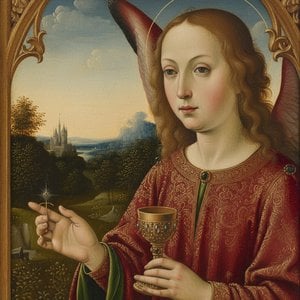
Van Eyck nebyl sice vynálezcem olejové barvy – její použití předchází jeho práci – je nepopiratelně jejím mistrem par excellence. Před jeho inovacemi byla tempera dominantním médiem, které nabízelo omezené možnosti míchání a relativně matný povrch. Van Eyck odhalil plný potenciál olejové barvy prostřednictvím pečlivého nanášení průsvitných glazur, dosahující bezprecedentní úrovně detailu, světelnosti a realismu. Tato technika umožnila jemné přechody tónů, bohatší barvy a vytváření textur, které napodobovaly skutečný život. Efekt byl transformační; povrchy se zdály zářit zevnitř, látky měly hmatatelnou kvalitu a portréty zachycovaly nejen podobnost, ale také psychologickou hloubku. Jeho mistrovství nebylo pouhou technickou dovedností – šlo o alchymistický proces, proměňující pigmenty v něco blízkého živé realitě. Tato inovace nezůstala bez povšimnutí; stala se základem pro generace následovníků a zásadně změnila krajinu západního umění.
Mistrovská díla a trvalý odkaz
Umělecký odkaz van Eycka je upevněn relativně malým, ale hluboce vlivným souborem děl.
Gentský oltář (1432), monumentální polyptychon, představuje jeho nejambicióznější podnik – komplexní tapisérii náboženské symboliky a technické brilantnosti. Stejně proslulý je obraz
Portrét Giovanniho Arnolfiniho a jeho manželky (1434), průkopnické dílo portrétu oslavované pro svůj realismus, složitost detailů a záhadnou symboliku. Mezi další pozoruhodná díla patří
Drážďanský triptych, který demonstruje jeho schopnost zobrazovat náboženské scény s mimořádnou jasností, a výrazný
Muž v modrém turbanu, svědectví jeho schopnosti zachytit individuální charakter. Tyto obrazy nejsou pouhými vizuálními reprezentacemi; jsou okny do jiného světa – světa pečlivě vykresleného s téměř obsesivní pozorností k detailům. Vliv van Eycka se rozprostírá daleko za hranice těchto ikonických děl, formuje vývoj raně nizozemské malby a inspiruje nespočet umělců po staletí. Zemřel v Bruggách roku 1441 a zanechal odkaz, který dodnes rezonuje a připomíná nám sílu umění osvětlovat lidskou zkušenost.
- Gentský oltář: Monumentální polyptychon, vrcholné dílo van Eyckovy tvorby.
- Portrét Giovanniho Arnolfiniho a jeho manželky: Průkopnický portrét oslavovaný pro realismus a symboliku.
- Drážďanský triptych: Mistrovské zobrazení náboženských scén s mimořádnou jasností.
- Muž v modrém turbanu: Výrazný portrét, svědectví schopnosti zachytit individuální charakter.



 Zobrazit v interiéru
 Objednat ručně malovanou reprodukci
 Odeslat
 Sdílet
 Podrobnosti
 Průvodce

 Stáhnout obrázek
 Podobné kousky
 Rentgenové snímky
 Slideshow
 Statistiky

 Přečíst si více






































 Skleněná varianta je dostupná pouze u rozměrů menších než 110 cm