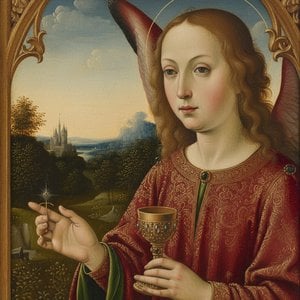
Flamandský mistr, který utíral novou cestu
Jan Massys, známý také jako Jan Massijs, představuje klíčovou postavu v rozkvétající umělecké krajině šestnáctého století ve Flandřsku. Narodil se kolem roku 1466 v Louvainu v Belgii a jeho život i dílo představují fascinující průsečík tradice a inovace, náboženské oddanosti a bystré společenské komentáře. Zatímco legendy zpočátku vykresloval obraz kováře, který se stal umělcem – narativ naznačující skromný původ poháněný vášní – historické záznamy odhalují rodinu s ustáleným majetkem, což naznačuje, že Massysově nasazení malování pramělo spíše z uměleckého vnitřního smyslu než z ekonomické nutnosti. Karel van Mander naznačuje, že nemoc ho přiměla opustit kovárnu a začal zdobit tisky pro karnevalové oslavy, což byl jeho první ventil pro rostoucí tvůrčí energii. Základní výuku pravděpodobně absolvoval v Louvainu, než se kolem roku 1491 přestěhoval do Antverp, kde si rychle vybudoval postavení v cechu svatého Lukáše a stal se mistrem malířem, čímž položil základy tomu, co se později stalo známé jako antverpská škola. Věří se, že pod Massysovou rukou studoval i Joachim Patinir, proslulý svými evokativními krajinami, což přispělo k atmosfujícímu pozadí v některých z jeho děl – což je důkaz kolaborativního ducha v rámci umělcovy dílny.
Echa tradice a vztyčený hlas
Massysův umělecký styl je hluboce zakořeněn ve flamandské tradici, kterou si vědomě obnovoval skrze precizní detail a expresivní sílu mistrů jako Jan van Eyck a Rogier van der Weyden. Mistrovsky kombinoval pevné obrysy s jemným modelováním, čímž dosáhl pozoruhodné jasnosti a hloubky svých kompozic. Jeho malby jsou charakteristické zářivou bohatostí odvozenou z transparentních pigmentů, což dodává jak náboženským scénám, tak světským portrétům éterický rys. Massys však minulost pouze nereprodukoval; vdechl jí zcela osobní vizi. Disponoval výjimečným schopností zachytit upřímné emoce a detailní ztvárnění, přičemž věnoval zvláštní pozornost texturám – lesku šperků, intricate okrajům oděvů či jemné ornamentaci, která pozvedla jeho dílo nad rámec pouhé reprezentace. Tento precizní přístup se rozšířil i do jeho zkoumání světla a stínu, čímž vytvářel tlumené, leč fascinující efekty, které vtahovaly diváky přímo do srdce každé scény. Nebál se ani komplexních témat, kdy plynule propojoval náboženské příběhy s pronikavými pozorováními lidské povahy a společenských dynamik.
Satira, spiritualita a trvalý dojem
Massysovo dílo je překvapivě rozmanité, zahrnuje jak hluboce uctivné náboženské oltáře, tak odvážné satirické portréty, které zpochybňovaly tehdejší konvenční normy. Mezi jeho nejslavnější díla patří
Ošklivá vévodkyně (1513), dnes již ikonický obraz, který vyvolal debaty svým neúprosným zobrazením stárnutí a společenských standardů krásy;
Portrét staršího muže (1513), který v této linii společenské kritiky pokračuje, a
Směnář se svou ženou (1514), působivá výtvarná studie chamtivosti a hrakosti v rámci obchodnické třídy. Tyto satirické kusy byly na svou dobu průlomové, protože nabízely relativně neobvyklou formu kritiky prostřednictí portrétu – což je svědectvím o Massysově odvaze a umělecké vizi. Kromě těchto výrazných portrétů vytvořil četné náboženské oltáře a triptychy, včetně významných zakázek pro kostel svatého Petra v Louvainu, čímž prokázal svou všestrannost a dovednost při tvorbě monumentálních devóčních děl. I díla jako
Venuše z Kythéry (1561) odhalují fascinaci klasickými tématy a mohou odrážet povědomí o uměleckém vývoji probíhajícím v Itálii.
Odkaz vytesaný v Antverpách
Massysův vliv přesáhl daleko za jeho vlastní život, čímž upevnil své postavení zakladatele vážené antverpské školy společně se svým synem Quintenem Massyse a bratrem Cornelissem Massyse. Umělým způsobem syntetizoval vlivy dřívějších flamandských mistrů – Dirka Boutse, Hansa Memlinga, Rogijera van der Weydena a Jana van Eycka – a zároveň do svého díla začlenil prvky z Itálie a dalších regionů Nízkých zemí. Tato fúze vytvořila jedinečnou uměleckou identitu, která definovala antverpskou školu pro budoucí generace. Jeho důraz na individuální charakterizaci a realistické zobrazení lidských emocí rezonoval u následných umělců a inspiroval je k hledání nových cest vyjádření. V pozdějším věku čelil Massys období nepříslusu, včetně vyhnání z Antverp kvůli náboženským přesvědčením, což ho přimělo hledat útočiště v Itálii a Francii, než se nakonec vrátil domů. Navzdory těmto výzvám pokračoval v přijímání zakázek, což dokazuje jeho trvající pověst a uměleckou zdatnost až do jeho smrti v roce 1575. Jeho odkaz zůstává nezpochybnitelný – je to svědectví o malíři, který nejen ovládl techniky svých předchůdců, ale také se odvážil vzdort
Objevování Massysova světa dnes
- Ateliér Jana Massyse: Objevte toto fascinující malířské dílo ze šestnáctého století, které představuje společenské setkání s detailními postavami a bohatou atmosférou.
- Svatá Rodina: Prozkoumejte tento úchvatný olejomalířský obraz rané renesance a obdivujte jeho realistické postavy, bohaté detaily, symboliku a techniku.
- Quinten Massys: Ponořte se do díla otce Jana, klíčové postavy flamandské renesance, známého svými náboženskými malbami a satirickými díly.



 Náhled v interiéru
 Koupit ručně malovaný obraz
 Sdílet
 Sdílet
 Podrobnosti o díle
 Průvodce

 Stáhnout
 Podobné položky
 Rentgenové snímky
 Slideshow
 Statistiky


 Zobrazit více






































 Skleněná varianta je dostupná pouze u rozměrů menších než 110 cm