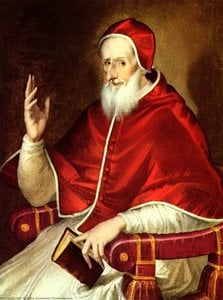
Giclée nebo plátěný tisk muzeální kvality s rychlou výrobou a flexibilními možnostmi povrchové úpravy. ( Koupit ručně malovaný obraz Koupit obrázek)





























Vyberte si z našich přednastavených velikostí, které odpovídají původním proporcím díla.

Můžete zadat vlastní rozměry tak, aby výtvor odpovídal konkrétnímu rámu nebo prostoru. Pokud zvolená velikost nebude odpovídat poměru stran původního obrazu, dílo buď ořížeme, nebo obraz rozšíříme pomocí zrcadlového efektu či jednobarevného okraje. Před zahájením výroby vám bude zaslán digitální náhled k schválení.
Mějte prosím na paměti, že náhled na obrazovce neodráží skutečné oříznutí nebo rozšíření. Pouze digitální náhled přesně zobrazí finální kompozici.
Ačkoliv jsou k dispozici i vlastní rozměry, pro zachování původních proporcí doporučujeme vybrat si rozměr z předdefinovaného seznamu.
Celosvětové doručení () do 2 týdnů namísto standardních 4/5 týdnů. (7 září)


Saint Antoine Turlupine
Rozměry reprodukce
James Ensor’s “Saint Antoine Turlupine” stands as a monumental achievement in late 19th-century Symbolist art, offering much more than a mere depiction of a seaside gathering. Painted around 1886, this evocative oil on canvas captures the profound anxieties and social contradictions inherent in Belgian life during a period of transition. At first glance, the viewer is met with a densely populated outdoor scene, a bustling crowd gathered under the open sky, yet beneath this surface of leisure lies an unsettling psychological depth. Ensor masterfully orchestrates a composition where architectural elements—such as a wall adorned with a clock—and objects like umbrellas serve as potent symbols for the relentless passage of time and the weight of societal pressures.
The painting’s atmosphere is thick with a sense of mystery and hidden truths. As an expert in the Symbolist movement, Ensor moved away from the fleeting light of Impressionism to explore the darker, more permanent inner states of the human psyche. This is achieved through his use of masks, a recurring motif in his oeuvre that represents the duality of identity and the concealment of true emotions behind social facades. For collectors and enthusiasts of fine art, this piece offers a window into the artist's ability to transform a public promenade into a stage for contemplating mortality, isolation, and the inherent hypocrisy of the human condition.
Technically, “Saint Antoine Turlupine” is a triumph of expressive texture. Ensor utilized thick impasto brushstrokes to create a surface that feels physically alive, lending a visceral intensity to the crowded scene. This tactile quality ensures that the painting commands attention in any space, providing a rich, sculptural dimension that catches the light and invites close inspection. The palette is a sophisticated study in contrast; Ensor employs muted, earthy tones that ground the composition, only to puncturing them with sudden, dramatic splashes of crimson and ochre.
This deliberate use of color mirrors the psychological landscape of the work—the tension between the mundane reality of a seaside day and the underlying emotional turbulence. For interior designers seeking to introduce a focal point of profound character, this painting provides an unparalleled sense of drama. The interplay of light and shadow within the heavy paint layers creates a dynamic energy that can anchor a room, offering both a historical narrative and a sophisticated aesthetic presence.
To possess or display a reproduction of such a significant work is to invite a dialogue between the past and the present. Ensor’s ability to evoke profound emotional responses—ranging from curiosity to a haunting sense of unease—makes this piece an extraordinary choice for those who value art that challenges and inspires. It is not merely a decorative object but a narrative journey through the shadows of the Belgian soul.
Whether you are an art historian drawn to its Symbolist roots, a collector seeking a masterpiece of psychological realism, or a designer looking for a piece with deep emotional resonance, “Saint Antoine Turlupine” offers a timeless allure. It remains a captivating testament to Ensor's genius, reminding us that even in the most crowded spaces, the most profound truths are often found beneath the surface.


1860 - 1949 , Belgie

Discover the profound allure of oil on canvas. Explore the mastery of impasto textures, the science of pigment longevity, and expert guides to selecting museum-quality reproductions that elevate your collection with timeless elegance and tactile depth.

Discover the enduring allure of oil on canvas. Explore how master techniques like impasto and glazing create the depth, texture, and emotional resonance found in the world's greatest masterpieces. An essential guide for fine art enthusiasts and discerning collectors.

Explore the profound secrets of classical oil painting. From the delicate mastery of glazing to the dramatic depth of chiaroscuro, discover the timeless techniques used by Old Masters to create enduring, museum-quality masterpieces that capture light and emotion.

 Náhled
 Sdílet
 Sdílet
 Podrobnosti o díle

 Stáhnout
 Podobné položky
 Rentgenové snímky
 Slideshow

 Zobrazit více







 Skleněná varianta je dostupná pouze u rozměrů menších než 110 cm