Biografie umělce
A Life Immersed in Masks and Shadows: The World of James Ensor
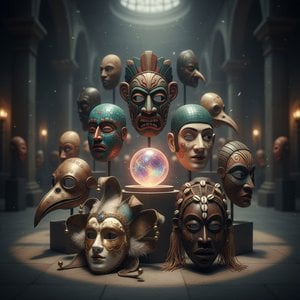
James Sidney Edouard Ensor, baron Ensor, se narodil v Ostendu v Belgii roku 1860. Jeho otec byl Angličan a matka Belgičanka – tato dvojí identita možná předznamenala jeho celoživotní fascinaci maskami a převleky, tématy, která se stala dominantními v jeho znepokojivé, ale zároveň působivě poutavé tvorbě. Byl vychován v rušném přímořském letovisku, kde ho silně ovlivnila atmosféra karnevalů a neobvyklých zajímavostí. Jeho rodiče provozovali suvenýrní obchod plný mušlí, karnevalových masek a podivných předmětů – vlastně pokladnici divů, která zapálila jeho fantazii a poskytla bohatou vizuální slovní zásobu pro jeho budoucí umělecké dílo. Ačkoli byl na začátku váhavý, zda přijmout tradiční akademické studium, nakonec se Ensor zapsal do Královské akademie krásných umění v Bruselu, ale rigidní struktura mu zneklidňovala jeho rozvíjející se umělecké vizi. Brzy si uvědomil, že potřebuje vybojovat si vlastní cestu, cestu, která ho povede daleko za konvence.
From Somber Realism to Grotesque Visions
Ensorova raná díla odrážela tradičnější přístup, zobrazující každodenní životy v ponurých tónech. Díla jako *Ruská hudba* (1881) a *Pijáci* (1883) ukazují talentující se umělce, který se potýká s realitou, ale i v těchto raných dílech jsou patrné náznaky znepokojivého obrazu, který má přijít. Klíčový posun nastal, když se Ensorova paleta rozjasnila a jeho témata stala bizarnějšími. Začal obývat své plátna karnevaly, kostlivce, loutky a alegorické postavy – svět ponořený do fantazie a často se dotýkající grotesknosti. Nebyla to jen stylistická změna; byla to záměrné prozkoumávání temnějších aspektů lidské existence, odmítnutí společenských norem a přijetí iracionálního. Jeho styl okamžitě upoutal pozornost díky výrazným štětobarikám, živým barvám a divadelnímu dojmu – vizuálnímu jazyku, který byl jedinečný.
Key Works and Recurring Themes
Během své kariéry Ensor vytvořil sérii děl, která dodnes zaujímá a fascinuje publikum. *Zkreslené masky* (1883) představují raný důkaz jeho fascinace převleky a její schopností odhalit skryté emoce. Možná jeho nejkontroverznější dílo, *Vstup Krista do Bruselu* (1888-1889), zůstává mocnou satirou náboženské hypocrisy a společenské indiference – obraz, který byl na počátku odmítnut kritikem umění Octavem Maus, ale dnes je oslavován jako mistrovské dílo. Zmatečný obraz Krista vstupujícího do města plného groteskních maskovaných postav je silným komentářem k duchovní ideálům a lidskému chování. *Kostlivci bojující o upíšeho muže* (1891) nabízí zřetelné úvahy o smrti, rozkladu a absurdnosti života, zatímco *Tribulace svatého Antonía* (1887) prozkoumává složité alegorické témata pokušení, hříchu a duchovní boje. Opakovaně se objevují v jeho díle témata smrti, společenské kritiky, náboženské satiry a nekonečná síla fantazie – témata, která rezonují s univerzální relevancí.
A Pioneer of Modernism: Influences and Legacy
Přestože Ensor odolával snadné kategorizaci, jeho umělecká linie je složitá a fascinující. Přiznával vlivy od mistrů jako Pieter Bruegel the Elder, jehož přeplněné scény a morální příběhy rezonovaly s jeho vlastní vizí, stejně jako Francisco Goya, jehož temný humor a bezohledné zobrazení lidské existence zanechaly trvalý dojem. Vliv Jamese Abbota McNeilla Whistlera na důraz na estetiku také hrál roli při formování Ensorových uměleckých smyslů. Nicméně Ensor nebyl jen imitátor; syntetizoval tyto vlivy do něčeho zcela nového a originálního. Je nyní široce uznáván jako klíčová postava přechodu ze symbolismu 19. století na expresionismus a surrealismus – pravý průkopník moderního umění. Jeho odvážné prozkoumávání podvědomí, přijetí groteskních obrazů a odmítání akademických konvencí otevířily cestu budoucím generacím umělců, kteří se odvážili zpochybnit umělecké normy. I přes počáteční odpor nakonec získal Ensor uznání ve svých pozdějších letech, byl jmenován barounem králem Albertem I. v roce 1929 a oceněn Légie čestí v roce 1933. Zemřel v Ostendu po krátké nemoci v roce 1949, zanechávaje za sebou dílo, které dodnes okouzluje, znepokojuje a inspiruje. *Jeho dědictví přetrvává jako důkaz síly umění konfrontovat nepříjemné pravdy a prozkoumávat hloubky lidské existence.*



 Zobrazit v interiéru
 Přepnout na tiskové verze
 Odeslat
 Sdílet
 Podrobnosti
 Průvodce

 Stáhnout obrázek
 Podobné kousky
 Rentgenové snímky
 Slideshow
 Statistiky
 Přečíst si více






































 Skleněná varianta je dostupná pouze u rozměrů menších než 110 cm