A Life Shaped by Aestheticism: The World of James Abbott McNeill Whistler
James Abbott McNeill Whistler, born in Lowell, Massachusetts in 1834, byl figura neustále v rozporu s konvencemi – malíř, který prosazoval “umění pro umění samotné” během éry, která se soustředila na morální vyprávění. Jeho rané dětství, poznamenané častými přesuny kvůli otcově kariéře inženýra železnic, v něm zanechalo smysl pro adaptabilitu a vystavení se rozmanitým prostředím. Krátký, nespokojený pobyt na West Pointu, následovaný prací u Společnosti pro námořní a geodetické práce, které i přes prodlevu nezhasly jeho rostoucí vášeň pro umění. Tyto formativní roky se vyznačovaly vrozeným talentem pro kreslení a odhodláním prosadit se jako profesionální umělec – snaha, která ho nakonec vedla přes Atlantik a do srdce evropské avantgardy. Semínka Whistlerova uměleckého povstání byla zasadena brzy, pěstována duchem, který odporoval konformitě a přijímal estetickou prozkoumávání nad vším ostatním.
Parisian Beginnings and the Cultivation of Style
Klíčový okamžik v Whistlerově umělecké cestě přišel s jeho přestěhováním do Paříže v roce 1855. Zde, pod vedením Sébastiena Bourého, zdokonalil své dovednosti v oleji, voděmlině a leptání, absorboval vlivy francouzského realismu a malířů Barbizon School. Whistler však rychle překročil pouhou imitaci, vyvinul si vlastní styl charakterizovaný tónovými harmoniemi a atmosférickými efekty. Nebyl zván na replikování reality; spíše se snažil zachytit její *essenci*, její mihotavé nálady a jemné nuance. Tato doba znamenala zásadní posun od reprezentativní přesnosti k prozkoumávání čisté estetické formy. Jeho rané díla již naznačovala jemnou rovnováhu mezi pozorováním a abstrakcí, která by definovala jeho zralý styl. Právě v Paříži Whistler začal formulovat svou víru, že umění by mělo být hodnoceno pouze na základě svých estetických kvalit, bez morálních nebo sociálních komentářů – filosofie, která se stala základem jeho umělecké praxe a definující charakteristikou Estetického hnutí.
Nocturnes, Portraits, and the Pursuit of Harmony
Whistlerova umělecká vize se zhmotnila v několika klíčových tématech a stylistických rozhodnutích. Prosazoval koncept “umění pro umění samotné”, odmítl vyprávění nabité morálními nebo sociálními komentáři. Jeho dílo se stalo cvičením v zachycení jemných nuancí světla, barvy a atmosféry – snahou, která vedla k jeho ikonickým *Nocturnes*. Tyto atmosférické obrazy západů slunce nebo temných nocí na řece Temži nebyly určeny jako doslovné reprezentace, ale spíše evokativní dojmy, studie tónové harmonie a nálady. Často používal omezené palety a jemnou štětcovou práci, vytvářel tak éterickou krásu a klidný pohled. Portréty také zaujímaly centrální místo v jeho praxi, i když k nim přistupoval s jedinečným smyslem. Whistler nebyl zaměřen na zachycení dokonalých podobností; spíše se soustředil na kompoziční uspořádání a tónové vztahy, považoval své subjekty za element kompozice v pečlivě vytvořeném estetickém rámci. Díla jako *Arrangement in Grey and Black No. 1* – lépe známá jako *Whistlerova matka* – to dokonale demonstrují, transformují rodinný portrét v ikonický obraz viktoriánské mateřství prostřednictvím mistrovského použití tvaru a tónu.
Controversy, Influence, and Lasting Legacy
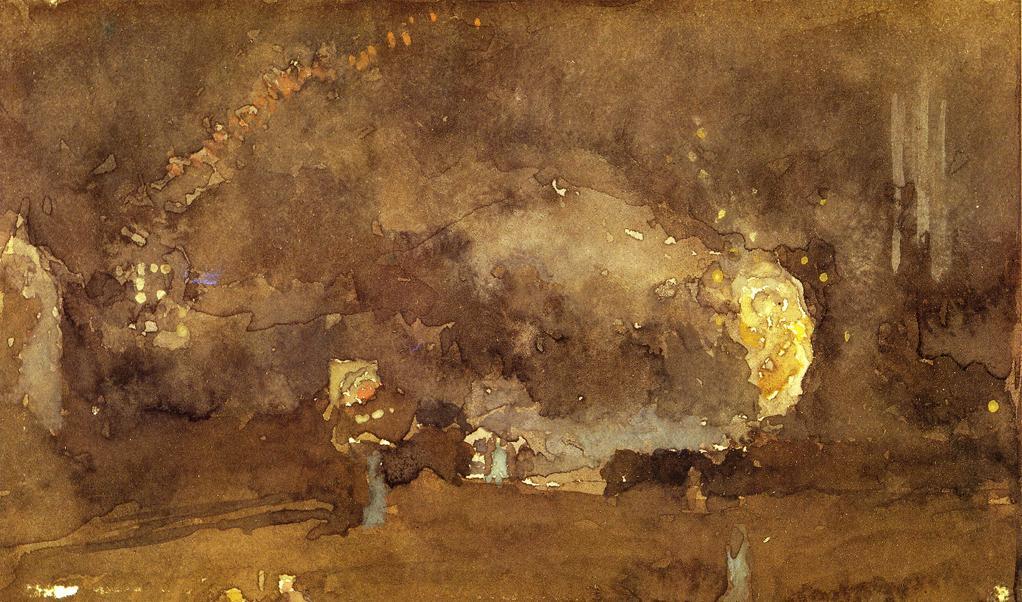
Whistlerův kariérní běh nebyl bez kontroverze. Známá soudní přestřelka s kritikem Johnem Ruskinem v roce 1878, vyvolaná obrazem *Nocturne in Black and Gold – The Falling Rocket*, se stala milníkem v umělecké historii. Whistler úspěšně obhájil svou uměleckou autonomii, argumentoval tím, že jeho obrazy neměly být určeny jako doslovné reprezentace, ale spíše estetické uspořádání barvy a tvaru. Tento případ zvýšil jeho profil a vyvolal důležité debaty o povaze umění a umělecké svobody. Kromě této právní bitvy Whistlerova vliv sahala daleko. Byl hluboce inspirován japonskými rytinami (ukiyo-e), které ovlivnily jeho kompoziční principy a důraz na dekorativní vzory, stejně jako tónovou mistrovskou práci španělských malířů jako Velázquez. Jeho prosazování “umění pro umění samotné” hluboce ovlivnilo Estetické hnutí v Anglii i Americe, otevírajíc cestu modernismu a zpochybňujíc konvenční představy o uměleckém účelu. Zanechal nezapomenutelný odkaz americkému umění, inspiroval generace umělců k přijetí formalistických přístupů a prozkoumávání expresivního potenciálu barvy a kompozice.
- Významná díla: *Forge* (1861), *Portrét Charlese Langa Freera* (1873), *Brown and Gold: The Gold Girl – Connie Gilchrist* (1876-77), *Arrangement in Grey and Black No. 1 (Whistler’s Mother)* (1871), *Nocturne in Black and Gold – The Falling Rocket* (1875).
- Vlivy: Japonské rytiny, Velázquez.


 Náhled
 Koupit ručně malovaný obraz
 Sdílet
 Sdílet
 Podrobnosti o díle

 Stáhnout
 Podobné položky
 Rentgenové snímky
 Slideshow
 Statistiky

 Zobrazit více






































 Skleněná varianta je dostupná pouze u rozměrů menších než 110 cm


