x
NáhledNáhled Náhled v ARNáhled v AR Koupit tisk Koupit tiskKoupit obrázek Koupit obrázek SdíletSdílet
Podrobnosti o dílePodrobnosti o díle Přidat do oblíbených Přidat do oblíbených StáhnoutStáhnout Podobné položkyPodobné položky Rentgenové snímkyRentgenové snímky SlideshowSlideshow

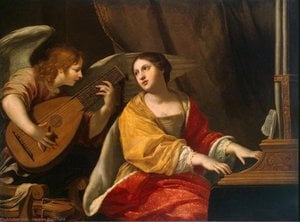
MINERVE CHEZ LES MUSES

Explore Jacques Stella’s masterpiece "Minerve Chez Les Muses," a Baroque oil painting depicting Minerva and the muses amidst a lush landscape, reflecting classical ideals and artistic fervor.

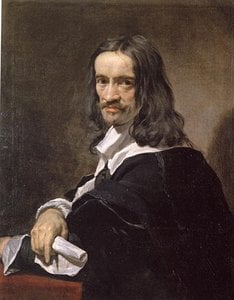
Jacques Stella (1596-1657) was a French classicist painter known for his elegant compositions, religious scenes like the childhood of Christ, and portraits. Influenced by Florentine & Roman art, he served as 'Peintre du Roi' to Louis XIII.

Ručně malovaná olejová reprodukce

Ručně malovaná olejná barva na plátně ve vašem zvoleném rozměru i s rámem, vyrobená našimi umělci na zakázku. (Koupit tisk Koupit tiskKoupit obrázek Koupit obrázek)

P118B $10
P118H $10
P118W $10
P438Z $10
P508JH $12
P508YH $12
P805H $10
P805Z $10
P919BZ $10
P919G $10
P919XJ $10
P959ZH $10
P968JZ $12
W106C $8
W218G $10
W218JH $8
W218Y $10
W307PJ $10
W316G $10
W316PJ $8
W316Y $10
W398PJ $8
W4111J $10
W500HY $15
W500JH $15
W692G $12
W849H $8
W940BG $15
W953PJ $8

Standardní velikost
na míru
CM
INCH

Vyberte si z našich přednastavených velikostí, které odpovídají původním proporcím díla.

šířka
výška

Můžete zadat vlastní rozměry pro konkrétní rám nebo prostor. Pokud se vámi vybraná velikost neshoduje s proporcemi původního obrazu, dílo buď ořízneme, nebo jej doplníme ručně malovanými prvky. Před zahájením výroby vám bude zaslán digitální náhled ke schválení.
Upozorňujeme, že náhled na obrazovce neodpovídá skutečnému ořezu ani rozšíření. Pouze digitální náhled přesně zobrazí finální kompozici.
Ačkoliv je možné zvolit vlastní velikost, pro zachování původních proporcí doporučujeme vybrat rozměr z předdefinovaného seznamu.

Příklady možných změn: Nahrazení obličeje vlastní fotografií; Přidání domácího mazlíčka (např. nahrazení kočky psem); Vložení skrytého vzkazu do pozadí; Změna krajiny nebo prvků v pozadí.
Po přijetí objednávky vám tým WahooArt.com zašle e-mail s pokyny a poskytne náhledovou verzi.

Celosvětová doprava () za 3–4 týdny namísto standardních 5 týdnů. (27 srpen). Bez kompromisů v kvalitě.

why_choose_icon
Zdarma celosvětová expresní doprava
why_choose_icon
Vysoce kvalitní lněné plátno
why_choose_icon
Kompletní přepravní pojištění
why_choose_icon
Záruka vrácení celního poplatku
why_choose_icon
Záruka přesného barevného shodu
why_choose_icon
60denní lhůta pro vrácení zboží (pouze při vadách výroby)
why_choose_icon
100% garance vrácení peněz
why_choose_icon
Sleva při hromadné objednávce

Celková cena

$ 497

reproduction

MINERVE CHEZ LES MUSES

Technika reprodukce

Rozměry reprodukce

-

Celková cena za výběr

$ 497

Základní informace

  • Artist: jacques de stella
  • Notable elements or techniques: Detailed depiction of figures and landscape; Glazes
  • Artistic style: Baroque
  • Year: 1640-45
  • Movement: Atticism
  • Subject or theme: Mythology
  • Medium: Oil on canvas

Kvíz o umění

U každé otázky je pouze jedna správná odpověď.

Otázka 1:
What mythological subject matter does the artwork 'Minerve Chez les Muses' primarily depict?
Otázka 2:
Which artistic period is most characteristic of the style observed in this artwork?
Otázka 3:
What dominant color palette contributes to the natural setting depicted in the painting?
Otázka 4:
What element is crucial in creating the sense of depth within the composition?
Otázka 5:
The presence of Minerva surrounded by the Muses symbolizes what concepts?

A Divine Gathering: Minerva Chez les Muses

To gaze upon this magnificent depiction of Minerve Chez les Muses is to step directly into the golden age of classical mythology, a moment suspended in an eternal afternoon of intellectual bloom. The scene unfolds with breathtaking richness, presenting Minerva, the embodiment of wisdom and strategic thought, surrounded by her divine companions—the Muses, goddesses patronizing the arts and sciences. It is more than just a painting; it is a vibrant ode to human creativity itself, rendered with the dramatic flourish characteristic of the Baroque period.

Baroque Grandeur and Compositional Mastery

The artist has masterfully employed the dynamism inherent in the Baroque style. Notice how the composition refuses stasis; instead, it flows with an almost palpable energy. The arrangement is a carefully orchestrated semicircle, guiding the viewer's eye from the foreground figures up towards the celestial realm where cherubic angels drift amongst the lush canopy of the central tree. This interplay between grounded human activity and ethereal divine presence creates incredible visual tension. The use of curvilinear forms dominates, lending a sense of perpetual movement to every leaf, drape of fabric, and reclining figure. It is a feast for the eye, designed not merely to be looked at, but to be experienced.

The Language of Light and Earth Tones

Technically, the painting speaks volumes through its handling of light. The illumination is naturalistic, suggesting a glorious sunlight filtering through dense foliage—a diffused radiance that kisses the skin tones and catches the folds of drapery in soft highlights. This masterful use of light contrasts beautifully with the deep, earthy palette of greens, browns, and ochres that anchor the scene within its verdant landscape. These warm, grounding tones are punctuated by cooler accents of blue and cream on the figures' garments, giving the entire tableau a luminous depth. The visible brushwork hints at the painstaking layering of oil paint, allowing the viewer to appreciate both the illusion of smooth skin and the tangible texture of bark.

Symbolism: The Pursuit of Knowledge

At its heart, this artwork is a profound meditation on inspiration. Minerva’s central placement underscores her role as the guiding intellect, while the Muses represent the myriad channels through which human genius flows—from poetry to history, from painting to science. The entire gathering evokes a sense of harmonious pursuit; it suggests that true wisdom is not found in isolation, but in communal dialogue and artistic endeavor. For those who cherish learning, creativity, or classical ideals, this piece serves as an enduring talisman, whispering promises of enlightenment.

Bringing Antiquity Home

For the collector or designer seeking to infuse a space with unparalleled cultural weight and artistry, a reproduction of this work offers immediate grandeur. It possesses the gravitas of Old Master painting while maintaining a vibrant, accessible energy. Whether placed in a grand salon or a library dedicated to study, its mythological subject matter and rich Baroque execution ensure that it becomes an instant focal point—a breathtaking conversation piece that speaks eloquently of beauty, intellect, and timeless artistry.


Biografie umělce

Jacques de Stella: A Classicist Bridging Florence and Paris

Jacques de Stella (1596-1657) stands as a pivotal figure in 17th-century French art, a painter whose career seamlessly blended the rigorous principles of Florentine classicism with the burgeoning dynamism of Roman influence. Born in Lyon to a family steeped in artistic tradition – his father, François Stella, was a painter and merchant of Flemish origin – Stella’s early life laid the foundation for a remarkable trajectory. Despite his father's untimely death before providing formal training, Stella’s siblings, including sculptor Madeleine and artist François the Younger, fostered an environment rich with creative discourse and artistic practice. This familial legacy, coupled with his uncle Antoine Stella’s own artistic pursuits, propelled him towards a life dedicated to visual expression.

Stella's artistic journey commenced in Lyon, where he honed his skills before embarking on a transformative period in Florence between 1616 and 1621. This sojourn within the court of Cosimo II de Medici proved profoundly influential. Working alongside Jacques Callot, Stella immersed himself in the ideals of Renaissance art, absorbing the meticulous detail, balanced compositions, and profound moral narratives characteristic of Florentine painting. The influence of Florence is undeniably evident throughout his oeuvre, particularly in his masterful use of perspective, drapery, and the depiction of religious figures with a dignified solemnity.

The Roman Years: Poussin’s Shadow and Papal Patronage

Following Cosimo II's death in 1621, Stella relocated to Rome, where he spent the next decade establishing himself as a respected artist. This period witnessed a significant shift in his artistic sensibilities, marked by an increasing engagement with classical antiquity and, crucially, the teachings of Nicolas Poussin. Poussin’s emphasis on light, color, and idealized forms resonated deeply with Stella, shaping his approach to composition and subject matter. Their friendship fostered a shared pursuit of clarity, restraint, and spiritual depth – qualities that would become hallmarks of Stella's style.

Stella’s Roman career was further distinguished by his patronage from Pope Urban VIII, who recognized the artist’s talent and commissioned numerous works, including intricate paintings on stone (onyx, lapis-lazuli, or slate) alongside more traditional panel paintings. These commissions showcased Stella's technical virtuosity and his ability to translate complex narratives into visually compelling forms. His work during this time demonstrated a masterful command of technique, evident in the precise rendering of textures, the subtle gradations of light and shadow, and the harmonious integration of figures within their environments.

Religious Themes and Royal Recognition

Stella’s artistic output was particularly focused on religious subjects, most notably his poignant depictions of the “Childhood of Christ.” Five distinct versions of this iconic scene exist, each offering a subtly different interpretation of the narrative. These paintings are not merely representations of biblical events; they are imbued with a profound sense of tenderness, vulnerability, and spiritual contemplation. The meticulous detail with which Stella portrays the infant Jesus’s interactions with his parents – Mary and Joseph – speaks to his deep understanding of human emotion and his ability to convey complex theological ideas through visual imagery.

In 1634, Stella returned to Lyon before moving to Paris in 1635. His arrival in the capital marked a significant turning point in his career. Presented to King Louis XIII by Cardinal Richelieu, he was granted the prestigious title of ‘Peintre du Roi’ (King's Painter), a position that afforded him royal patronage and a guaranteed pension of 1000 livres. This recognition solidified Stella’s status as one of France’s leading artists, allowing him to continue his artistic pursuits with relative security and freedom.

A Collector and Legacy

Beyond his prolific painting and engraving activities, Jacques Stella was an avid art collector throughout his life. He amassed a remarkable collection of works by Poussin, Raphael, and Michelangelo, alongside drawings by Leonardo da Vinci – demonstrating a deep appreciation for the artistic heritage of the past. His dedication to preserving and studying these masterpieces underscores his commitment to both artistic creation and historical scholarship.

Stella’s career spanned several decades, marked by a remarkable adaptability and a willingness to embrace diverse artistic styles. He died in Paris, leaving behind a substantial body of work that continues to be admired for its elegance, technical skill, and profound spiritual depth. His influence on subsequent generations of French painters is undeniable, cementing his place as a key figure in the transition from Mannerism to Classicism and a vital link between the artistic traditions of Florence and France.

jacques de stella

jacques de stella

1596 - 1657

Rychlé fakta

  • Artistic Movement Or Style: Classicism, Florentine & Roman art
  • Artists Or Movements Influenced By This Artist:
    • Poussin
    • Raphael
  • Artists Who Influenced This Artist:
    • Jacques Callot
    • Nicolas Poussin
  • Date Of Birth: 1596
  • Date Of Death: 1657
  • Full Name: Jacques de Stella
  • Nationality: French
  • Notable Artworks:
    • Jesus discovered by his parents
    • La Vierge, L’Enfant Jésus et Saint Jean Baptiste
    • Triomphe de Louis XIII
  • Place Of Birth: Lyon, France