


Ručně malovaná olejná barva na plátně ve vašem zvoleném rozměru i s rámem, vyrobená našimi umělci na zakázku. ( Koupit tisk Koupit obrázek)





























Vyberte si z našich přednastavených velikostí, které odpovídají původním proporcím díla.

Můžete zadat vlastní rozměry pro konkrétní rám nebo prostor. Pokud se vámi vybraná velikost neshoduje s proporcemi původního obrazu, dílo buď ořízneme, nebo jej doplníme ručně malovanými prvky. Před zahájením výroby vám bude zaslán digitální náhled ke schválení.
Upozorňujeme, že náhled na obrazovce neodpovídá skutečnému ořezu ani rozšíření. Pouze digitální náhled přesně zobrazí finální kompozici.
Ačkoliv je možné zvolit vlastní velikost, pro zachování původních proporcí doporučujeme vybrat rozměr z předdefinovaného seznamu.
Celosvětová doprava () za 3–4 týdny namísto standardních 5 týdnů. (7 září). Bez kompromisů v kvalitě.


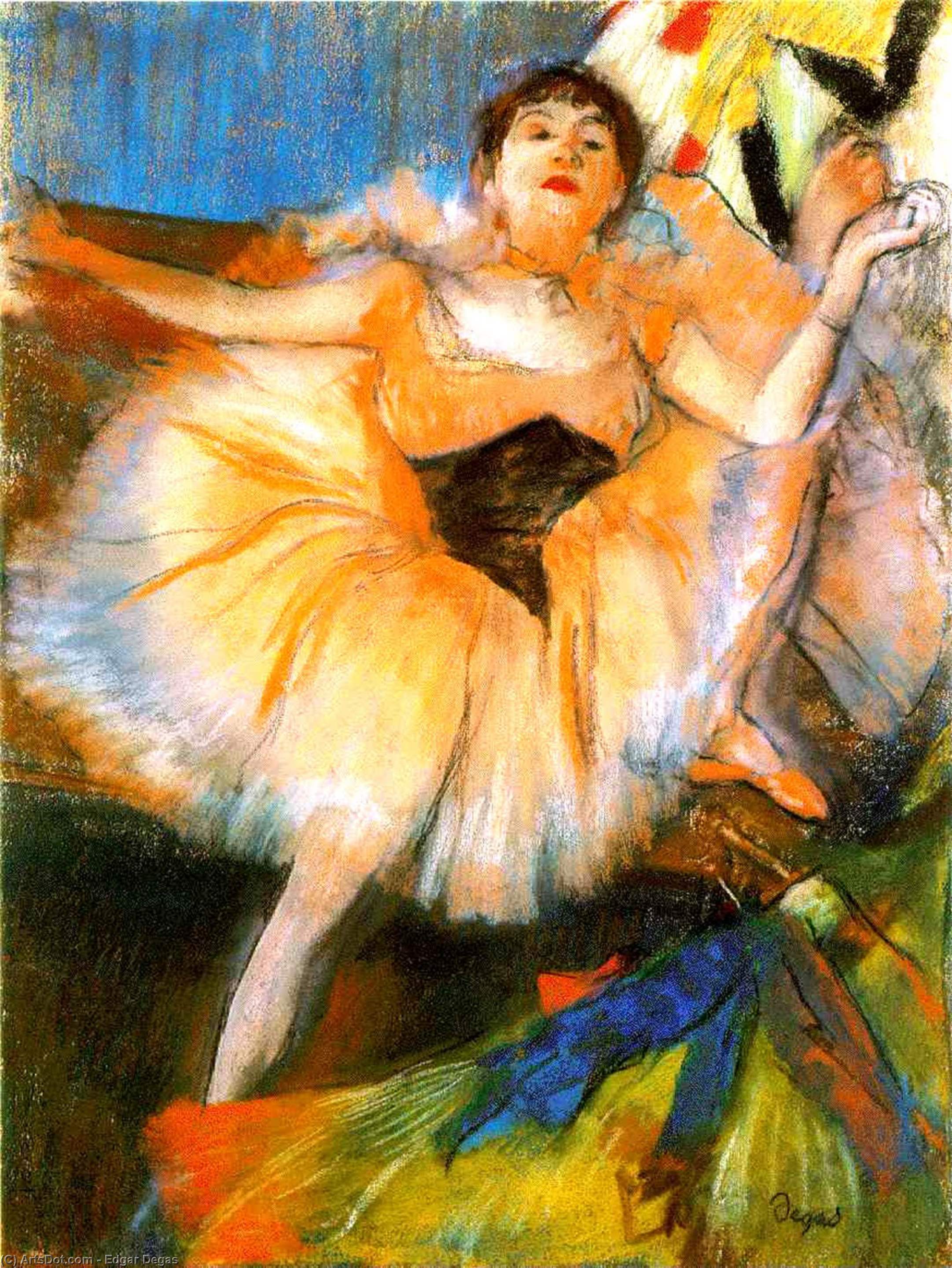
Seated Dancer
Rozměry reprodukce
Hilaire-Germain-Edgar deGa’s “Seated Dancer,” painted circa 1880, is more than a depiction of a ballerina; it's a profound meditation on movement, grace, and the fleeting nature of beauty. This pastel masterpiece captures a pivotal moment in a dancer’s performance, frozen in time with an almost unsettling stillness. The subject, a woman dressed in a vibrant yellow gown, embodies the spirit of the burgeoning ballet scene of the late 19th century – a world increasingly fascinated by the athleticism and artistry of female performers.
Despite being associated with Impressionism, deGa’s work is fundamentally rooted in realism. He wasn't interested in simply recording visual impressions; he sought to understand and portray the underlying structure of his subjects with unwavering accuracy. This dedication is evident in the precise rendering of the dancer’s anatomy – her outstretched arms, the curve of her spine, and the subtle tension in her muscles. The artist’s meticulous attention to detail elevates this work beyond a mere representation of a dance scene; it becomes a study in human form and movement.
DeGa's background—his bourgeois upbringing and early training at the Louvre—shaped his artistic sensibilities. He was deeply influenced by classical sculpture, particularly the works of Michelangelo, which informed his understanding of anatomy and composition. This influence is subtly reflected in the dancer’s poised posture and elegant lines.
The inclusion of two birds within the background adds a layer of symbolic richness to the painting. Birds have long been associated with freedom, grace, and spirituality – qualities that align perfectly with the dancer's performance. Their presence suggests an aspiration towards transcendence, elevating the scene beyond a simple depiction of a ballet dancer. The composition itself is carefully balanced, drawing the viewer’s eye to the central figure while utilizing negative space to create a sense of depth and movement.
"Seated Dancer" resonates with viewers through its ability to evoke a powerful sense of nostalgia and wonder. DeGa's masterful use of color and light creates an atmosphere of quiet contemplation, inviting us to reflect on the beauty and fragility of human expression. This work stands as a testament to deGa’s artistic genius – a timeless masterpiece that continues to captivate audiences today. A hand-painted reproduction offers a unique opportunity to bring this evocative image into your home or office, adding a touch of elegance and sophistication.

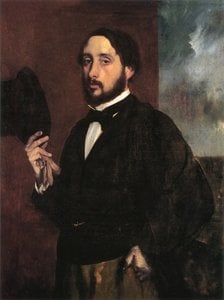
1834 - 1917 , Francie
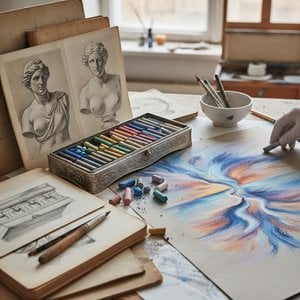
Explore the ethereal beauty of pastel art. Discover how Impressionist masters used soft hues and velvety textures to capture light. A professional guide for art enthusiasts seeking to understand, collect, and appreciate the delicate magic of this timeless medium.

Explore the ethereal beauty of Impressionist landscapes. Discover how masters like Monet captured fleeting light through color and texture, and learn to curate these timeless, luminous masterpieces for your home collection.

 Náhled
 Sdílet
 Sdílet
 Podrobnosti o díle

 Stáhnout
 Podobné položky
 Rentgenové snímky
 Slideshow

 Zobrazit více







 Skleněná varianta je dostupná pouze u rozměrů menších než 110 cm


