Biografie umělce
A Life Immersed in Movement
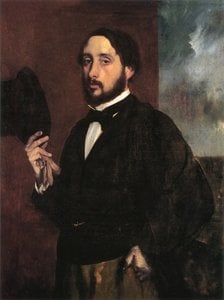
Edgar Degas, rodným jménem Hilaire Germain Edgar de Gas, se narodil v Paříži v roce 1834 a jeho život byl fascinující směsicí protikladů. Ačkoli je často zařazen mezi impresionisty – Monet, Renoir a další, kteří v pozdní 19. století revolucionalizovali malbu – aktivně se této kategorii vyhýbal, spíše se identifikoval jako realista. Tento závazek vycházel z jeho pečlivého pozorování světa kolem něj a oddanosti zobrazování ho s neochvějnou upřímností. Degasův raný život byl pohodlně buržoazní; jeho otec byl bankéř a matka pocházela z kreolské rodiny v Novém Orleans. Tento původ mu poskytl přístup k vzdělání a uměleckému tréninku, i když často mlátil na akademické omezení. Nejprve se přihlásil na Lycée Louis-le-Grand, ale jeho skutečné vzdělání začalo, když začal kopírovat díla v Louvru, zdokonaloval své dovednosti a zapálil si životlongou vášeň pro klasické umění. Nicméně Degasův cíl nebyl striktní dodržování tradice; byl to neustále zpochybňující a přehodnocovací proces uměleckých norem. Vlastnil nezávislý duch, který definoval jeho celou kariéru.
Beyond Impressionism: A Unique Artistic Vision
Zatímco současníci jako Monet pronásledovali mihotavé efekty světla venku, Degas převážně pracoval v rámci svých dílen, pečlivě sestavoval scény z pozorování a paměti. Jeho předmětem zájmu byla moderní podoba – odklon od historických nebo mytologických témat, která preferovali mnozí akademici. Najdi inspiraci v každodenních životech Pařížanů: pranátři, tanečníky kabaretu, klobouničky a především baleríny. Toto fascinování baletem definuje velkou část jeho díla. Degas nevytvořil jen krásné baleríny; zachycoval krutou realitu jejich povolání – nekonečné hodiny zkoušek, fyzickou námahu, krátké okamžiky elegance uprostřed tvrdé práce. Jeho kompozice jsou často nekonvenční, figurky zobrazuje neočekávanými způsoby a využívá asymetrické uspořádání, které vytváří pocit dynamiky a přítomnosti. Byl mistrem v zachycování pohybu, nikoli rozmazanými liniemi nebo mlhavými efekty, ale pečlivým pozorováním a přesným zobrazením tvaru. *Dancer, A Group of Dancers* a *Women Combing Their Hair* jsou příklady jeho oddanosti zobrazování lidského těla v pohybu a odhalování složitostí moderního života. Nebyl zájem o povrchní krásu; toužil po odhalení pravdy pod povrchem.
Influences and Artistic Development
Degasův umělecký vývoj byl utvářen rozmanitými vlivy. Jeho rané vzdělání kladlo důraz na klasické principy, zejména díla Jean-Auguste-Dominique Ingresa, jehož zdůraznění draftmanshipu a přesného tvaru zanechalo trvalý dojem. Nicméně Degas obdivoval i realisty, jako Gustave Courbet, kteří podněcovali akademickou konvenci a prosazovali zobrazování současného života. Klíčový okamžik v jeho vývoji přinesla jeho asociace s Camille Pissarro, vedoucím impresionistou, který mu představil další umělce a povzbuzoval ho k experimentování s novými technikami. Byl okouzlán japonskými rytinami – Ukiyo-e – které ovlivnily jeho použití asymetrických kompozic, zploštělých perspektiv a výrazných vzorů. Také přijmul fotografii, rozpoznávaje její potenciál pro studium pohybu a zachycení krátkých okamžiků v čase. Tato ochota integrovat různé vlivy do svého díla je to, co ho odlišuje a přispívá k jedinečné povaze jeho umění. Nebyl si jistý, že se bude držet pouze jednoho stylu; spíše se snažil kombinovat různé prvky a vytvořit něco zcela nového.
The Ballet as Central Theme
Degasův zájem o balet byl dominantní tématem v jeho umění po většinu jeho kariéry. Jeho pozorování baletních taneček v Pařížské opeře bylo hluboké a detailní, od zkoušek až po představení. Vytvořil tisíce skic a obrazů, zachycujících tanečníky v různých pózách a situacích – v šatnách, při rozcvičování, během přestávek a na jevišti. Jeho obrazy baletních taneček se odlišují od tradičních portrétů, protože se zaměřují na dynamiku pohybu, expresi a osobnosti tanečníků. Vytvořil ikonické díla jako *Dancer at the Barre*, *The Dying Swan* a *Rehearsal of the Ballet*. Jeho práce nebyly jen esteticky příjemné; snažil se zachytit skutečný život a námahu spojenou s baletem.
Legacy and Lasting Impact
Edgar Degas zemřel v Paříži v roce 1917, zanechávaje za sebou dílo, které stále fascinuje a inspiruje publikum po celém světě. Jeho inovativní přístup k kompozici, mistrovské draftmanship a neochvějné zobrazování moderního života měly hluboký dopad na průběh umělecké historie. Otevřel cestu budoucím generacím umělců, kteří se snažili překročit tradiční konvence a prozkoumat nové způsoby reprezentace světa kolem nich. Jeho vliv lze vidět ve dílech Pabla Picassa a Henriho Matisse, mezi jinými. Muzea po celém světě – včetně Musée d'Orsay a Musée de l’Orangerie v Paříži – vystavují významné sbírky jeho obrazů, pastelí, soch a ryteček, zajišťující, že jeho dědictví bude trvat pro budoucí generace. Degas nebyl jen malíř tanečníků nebo koněm; byl pozorným pozorovatelem lidské povahy, mistrem tvaru a pohybu a skutečným inovátorem, který přepsal možnosti umění.



 Náhled
 Koupit ručně malovaný obraz
 Sdílet
 Sdílet
 Podrobnosti o díle

 Stáhnout
 Podobné položky
 Rentgenové snímky
 Slideshow
 Stats
Stats


 Zobrazit více






































 Skleněná varianta je dostupná pouze u rozměrů menších než 110 cm