


Ručně malovaná olejná barva na plátně ve vašem zvoleném rozměru i s rámem, vyrobená našimi umělci na zakázku. ( Koupit tisk Koupit obrázek)





























Vyberte si z našich přednastavených velikostí, které odpovídají původním proporcím díla.

Můžete zadat vlastní rozměry pro konkrétní rám nebo prostor. Pokud se vámi vybraná velikost neshoduje s proporcemi původního obrazu, dílo buď ořízneme, nebo jej doplníme ručně malovanými prvky. Před zahájením výroby vám bude zaslán digitální náhled ke schválení.
Upozorňujeme, že náhled na obrazovce neodpovídá skutečnému ořezu ani rozšíření. Pouze digitální náhled přesně zobrazí finální kompozici.
Ačkoliv je možné zvolit vlastní velikost, pro zachování původních proporcí doporučujeme vybrat rozměr z předdefinovaného seznamu.
Celosvětová doprava () za 3–4 týdny namísto standardních 5 týdnů. (6 září). Bez kompromisů v kvalitě.


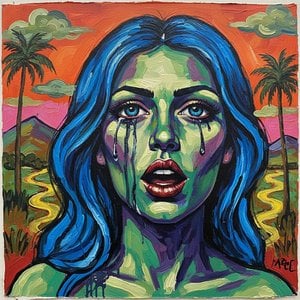
untitled (5211)
Rozměry reprodukce
“Untitled (5211)” by Henri Matisse is more than just a painting; it’s an invitation into a realm of vibrant hues and enigmatic emotion. Executed sometime between 1906 and 1907, this artwork exemplifies Matisse's signature style—Fauvism—a movement that championed unrestrained color as expressive force rather than merely representing reality.
The image depicts a woman’s head, rendered in a striking monochrome palette of black and white. However, the dominant element is undeniably her scarlet scarf, boldly positioned atop her head. This deliberate choice of color isn't accidental; it speaks to Matisse’s fascination with capturing psychological states through pigment. The scarf acts as a focal point, drawing the viewer’s eye and immediately establishing an atmosphere of intensity.
Matisse’s technique is characterized by loose brushstrokes and simplified forms—a departure from academic conventions that sought meticulous detail. He achieved this effect using tempera on canvas, applying paint in thick layers to create textural surfaces that convey movement and vibrancy despite the monochrome scheme. The artist skillfully captures the woman's facial expression – a gaze directed outwards with an unsettling stillness – hinting at unspoken thoughts and adding depth to the composition.
Born in Le Cateau-Cambrésis, France, Henri Matisse (1869–1954) initially pursued law but abandoned his legal ambitions after a serious illness. This pivotal moment redirected him toward painting, fueled by the encouragement of his mother and nurtured during convalescence. Influenced by Impressionism and Post-Impressionism, Matisse embraced Fauvism alongside André Derain and Maurice Denis, rejecting naturalistic representation in favor of emotive color.
The Fauvist movement arose as a reaction against the prevailing artistic trends of the time—particularly Impressionism’s focus on capturing fleeting moments of light. Matisse sought to liberate color from its descriptive role, believing it could convey emotion and psychological truth directly. “Untitled (5211)” embodies this ethos perfectly, prioritizing feeling over factual accuracy.
While the precise symbolism embedded within "Untitled (5211)" remains open to interpretation, the scarlet scarf undoubtedly carries connotations of passion, vitality, and perhaps even vulnerability. Matisse’s masterful use of monochrome contrasts powerfully against this bold color, amplifying its emotional impact.
The woman's gaze—a disconcerting stillness amidst a dynamic composition—suggests contemplation and introspection. It invites viewers to ponder the unspoken narratives residing beneath the surface of appearances. Ultimately, Matisse’s artwork transcends mere visual representation; it communicates an experience of feeling—a testament to his enduring legacy as one of the most influential artists of the twentieth century.
A high-quality reproduction of “Untitled (5211)” captures the essence of Matisse’s artistic vision. WahooArt offers meticulously crafted reproductions that faithfully reproduce the artwork's colors, textures, and subtleties, allowing collectors and interior designers alike to appreciate its beauty and significance.


1869 - 1954 , Francie
Embark on a journey through the vibrant world of Fauvism. Discover how masters like Henri Matisse revolutionized art through bold colors and raw emotion in this expert-led guide to one of modern art's most powerful movements.

 Náhled
 Sdílet
 Sdílet
 Podrobnosti o díle

 Stáhnout
 Podobné položky
 Rentgenové snímky
 Slideshow
 Zobrazit více







 Skleněná varianta je dostupná pouze u rozměrů menších než 110 cm


