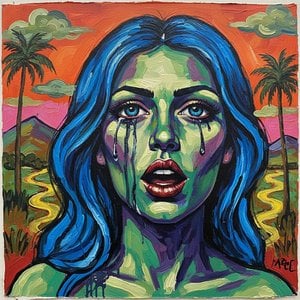
Život a cesta barvami: Svět Henriho Matisse
Henri Émile Benoît Matisse, narozený 31. prosince 1869 v malebném severofrancouzském městečku Le Cateau-Cambrésis, nebyl od útlého věku předurčen k životu ponořenému do světa pigmentů a forem. Po ukončení střední školy se v Paříži začal připravovat na právnickou kariéru, avšak jeho plány dramaticky změnily události roku 1889 – vážná apendicitida ho přinutila k dlouhému pobytu v posteli. V této nucené izolaci objevil skrytou vášeň pro malování, probuzenou jednoduchým darem od matky: sadou výtvarných potřeb. Nebyla to pouhá zábava; byl to zásadní zlomový bod, který ho odklonil od právnických spisů a nasměroval na cestu, kde se barva stala jeho jazykem a plátno domovem jeho vizí. Matisse, syn obchodníků s obilím z Bohain-en-Vermandois, se zdál být nepravděpodobným kandidátem na život bohémského umělce, ale semínko bylo zaseto, pečlivě pěstováno dobou rekonvalescence a rozvíjeno do celoživotní oddanosti. Studoval na Académie Julian a později na École Nationale des Beaux-Arts, kde pod vedením Williama-Adolpha Bouguereaua a Gustava Moreaua absorboval klasické techniky, které se staly základem jeho budoucích inovací. Jeho raná díla odrážela toto akademické vzdělání, prokazovala zručnost, ale postrádala výrazný hlas, který se brzy stal jeho poznávacím znakem.
Zrození Fauvismu a odvážné experimenty
Klíčový moment nastal v roce 1896 během návštěvy Belle-Île s australským malířem Johnem Russellem. Toto setkání se ukázalo jako transformační. Russell představil Matisse světu impresionismu a, co bylo ještě důležitější, emotivně nabitým plátnům Vincenta van Gogha. Dopad byl hluboký. Van Goghova expresivní práce s barvou otřásla dosavadní střídmou paletou Matisse, povzbuzovala ho k odvážnějšímu a subjektivnějšímu přístupu. Začal se vzdalovat zemitým tónům a přijímal odstíny, které rezonovaly s emocemi spíše než striktní reprezentací reality. Toto hledání vyvrcholilo vznikem Fauvismu kolem roku 1905 – hnutí, ve kterém se Matisse stal předním představitelem. Samotné jméno, znamenající „divoké bestie“, bylo původně hanlivé a kritikou uděleno skupině šokujících barevných a nerealistických obrazů vystavených v Salon d'Automne.
Matisse, společně s umělci jako André Derain a Maurice de Vlaminck, prosazoval intenzivní barvu jako nezávislý prvek vyjádření, zjednodušoval formy, aby zesílil její dopad. Obraz
The Gourds (1905) je příkladem tohoto stylu – exploze červené, zelené a žluté aplikované s volností, která popírala tradiční perspektivu a mimetickou přesnost. Mezi klíčové charakteristiky patřily intenzivně nasycené palety, zjednodušené tvary, expresivní štětcování a záměrné odmítání konvenčního realismu ve prospěch emocionální rezonance.
Zjemňování a dekorativní harmonie
Po počátečním zápalu Fauvismu prošel Matisseův styl subtilní, ale významnou evolucí. I když nikdy nezanechal svou lásku k barvě, jeho práce se stala rafinovanější, naklánějící se k dekorativní estetice, která kladla důraz na zploštělé formy a složité vzory. Zkoumal témata volného času, domácího života a lidské postavy v klidném prostředí a vytvářel kompozice, které působily harmonicky i emocionálně rezonantně. Stěhování do Nice na Francouzskou riviéru v roce 1917 dále ovlivnilo tento posun, vtisklo jeho práci pocit klidu a klasické rovnováhy. Začal se zaměřovat na vytváření prostředí – obrazů, soch a dekorativních předmětů – které obklopovaly diváka atmosférou krásy a poklidu. V tomto období experimentoval s různými médii, včetně keramiky a textilu, čímž rozšířil svou uměleckou vizi za hranice tradičního plátna. Netvořil jen scény; konstruoval světy navržené tak, aby vyvolaly specifickou emocionální odezvu.
Pozdní léta: Inovace skrze omezení
Jak zdravotní stav omezoval Matisseovu schopnost malovat konvenčním způsobem, pustil se do mimořádné nové kapitoly své umělecké cesty – tvorby koláží z barevného papíru, známých jako *découpages*. Tyto práce vznikly kolem roku 1947 ze skutečné potřeby. Připoután na invalidním vozíku nemohl fyzicky stát a malovat, ale stále mohl manipulovat s papírem a nůžkami. To, co začalo jako praktické řešení, se vyvinulo v průkopnickou uměleckou techniku. Maloval velké listy papíru jasnými barvami, pak je stříhal do tvarů – organických forem, listů, postav – a aranžoval je na plátně, vytvářející kompozice, které byly dynamické i klamně jednoduché. Tyto *découpages* nebyly pouhými náhradami malby; představovaly nový způsob myšlení o barvě, formě a kompozici. Pokračovaly v jeho celoživotním zkoumání těchto prvků a ukazovaly trvalou uměleckou vizi i tváří v tvář fyzickým omezením.
- Technika stříhání papíru mu umožnila dosáhnout čistoty formy a barvy, kterou bylo obtížné získat malbou.
- Tyto práce často odkazovaly na dřívější témata a motivy z jeho obrazů, ale prezentovaly je svěžím a inovativním způsobem.
- Ukázaly jeho schopnost se přizpůsobovat a vyvíjet jako umělec po celou svou kariéru.
Trvalý odkaz: Matisseův vliv na moderní umění
Henri Matisse zemřel v Nice v roce 1954, zanechávaje za sebou dílo, které neustále inspiruje a okouzluje publikum po celém světě. Jeho dopad na umělecký svět je nezpochybnitelný; zpochybnil konvenční představy o reprezentaci, prosazoval expresivní sílu barvy a připravil cestu budoucím generacím umělců. Často srovnáván s Pablem Picassem jako jeden z nejvlivnějších představitelů umění 20. století, Matisse zásadně formoval modernismus. Jeho odkaz přesahuje samotná umělecká díla – zahrnuje filozofii oslavující radost, krásu a transformační potenciál barvy. Netvořil jen to, co viděl; vytvářel emocionální zážitek pro diváka a zval ho, aby sdílel jeho vizi světa zalitého světlem a živými odstíny. Vliv
Matisse je patrný v nesčetných dílech umělců napříč různými obory, čímž si upevnil pozici skutečného mistra moderního umění – malíře, který se odvážil vidět svět ne takový, jaký je, ale takový, jaký by mohl být, plný barvy, harmonie a nekonečných možností.



 Náhled
 Koupit ručně malovaný obraz
 Sdílet
 Sdílet
 Podrobnosti o díle

 Stáhnout
 Podobné položky
 Rentgenové snímky
 Slideshow
 Statistiky

 Zobrazit více






































 Skleněná varianta je dostupná pouze u rozměrů menších než 110 cm