


Giclée nebo plátěný tisk muzeální kvality s rychlou výrobou a flexibilními možnostmi povrchové úpravy. ( Koupit ručně malovaný obraz Koupit obrázek)





























Vyberte si z našich přednastavených velikostí, které odpovídají původním proporcím díla.

Můžete zadat vlastní rozměry tak, aby výtvor odpovídal konkrétnímu rámu nebo prostoru. Pokud zvolená velikost nebude odpovídat poměru stran původního obrazu, dílo buď ořížeme, nebo obraz rozšíříme pomocí zrcadlového efektu či jednobarevného okraje. Před zahájením výroby vám bude zaslán digitální náhled k schválení.
Mějte prosím na paměti, že náhled na obrazovce neodráží skutečné oříznutí nebo rozšíření. Pouze digitální náhled přesně zobrazí finální kompozici.
Ačkoliv jsou k dispozici i vlastní rozměry, pro zachování původních proporcí doporučujeme vybrat si rozměr z předdefinovaného seznamu.
Celosvětové doručení () do 2 týdnů namísto standardních 4/5 týdnů. (7 září)


the dream
Rozměry reprodukce
Henri Matisse’s “The Dream,” painted circa 1940, is more than just a depiction of repose; it's an embodiment of Fauvist principles distilled into a single, arresting image. This artwork transports viewers to a realm where color reigns supreme—a deliberate rejection of Impressionistic subtlety in favor of expressive hues that prioritize emotional impact over precise representation.
Born in Le Cateau-Cambrésis, France, Henri Émile Benoît Matisse (1869-1954) embarked on a legal career initially, but fate intervened when an appendicitis attack redirected him toward the liberating force of painting. Influenced by Impressionist masters like Monet and Renoir, yet profoundly dissatisfied with their muted palettes, Matisse spearheaded Fauvism—a movement that championed unrestrained color as its primary expressive tool.
The painting’s dominant red background serves as a canvas for the woman’s figure, rendered in shades of ochre and pale pink. Matisse employed loose brushstrokes—characteristic of Fauvist style—to convey movement and vibrancy without resorting to meticulous detail. The careful placement of the handbag beside the sleeping woman adds a touch of realism, grounding the fantastical element of the dreamscape. Notably, a bird perched atop the left shoulder subtly introduces an element of observation and perhaps symbolizes hope or vigilance.
"The Dream" speaks to themes of introspection and serenity—a desire to escape into a world untouched by anxieties. Matisse’s masterful simplification of form contributes to this effect, allowing the color itself to dominate the narrative. The woman's posture exudes comfort and vulnerability, inviting contemplation on the subconscious mind and the restorative power of sleep.
Matisse’s groundbreaking approach to color irrevocably altered the course of modern art. His influence can be seen in subsequent generations of artists who embraced bold hues and expressive brushwork, solidifying his position as one of the most celebrated painters of the 20th century. Reproductions of “The Dream” offer a captivating glimpse into Matisse’s artistic genius—a timeless testament to the transformative potential of color.


1869 - 1954 , Francie
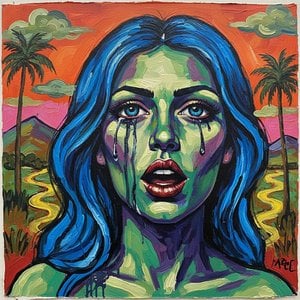
Embark on a journey through the vibrant world of Fauvism. Discover how masters like Henri Matisse revolutionized art through bold colors and raw emotion in this expert-led guide to one of modern art's most powerful movements.

 Náhled
 Sdílet
 Sdílet
 Podrobnosti o díle

 Stáhnout
 Podobné položky
 Rentgenové snímky
 Slideshow

 Zobrazit více







 Skleněná varianta je dostupná pouze u rozměrů menších než 110 cm


