


Giclée nebo plátěný tisk muzeální kvality s rychlou výrobou a flexibilními možnostmi povrchové úpravy. ( Koupit ručně malovaný obraz Koupit obrázek)





























Vyberte si z našich přednastavených velikostí, které odpovídají původním proporcím díla.

Můžete zadat vlastní rozměry tak, aby výtvor odpovídal konkrétnímu rámu nebo prostoru. Pokud zvolená velikost nebude odpovídat poměru stran původního obrazu, dílo buď ořížeme, nebo obraz rozšíříme pomocí zrcadlového efektu či jednobarevného okraje. Před zahájením výroby vám bude zaslán digitální náhled k schválení.
Mějte prosím na paměti, že náhled na obrazovce neodráží skutečné oříznutí nebo rozšíření. Pouze digitální náhled přesně zobrazí finální kompozici.
Ačkoliv jsou k dispozici i vlastní rozměry, pro zachování původních proporcí doporučujeme vybrat si rozměr z předdefinovaného seznamu.
Celosvětové doručení () do 2 týdnů namísto standardních 4/5 týdnů. (7 září)


Still Life (11)
Rozměry reprodukce
Henri Matisse's “Still Life (11)” stands as a testament to the transformative power of color within Cubist principles. Painted in 1905, this artwork isn’t merely an arrangement of objects; it’s a deliberate exploration of perception and emotion—a cornerstone of Matisse’s contribution to the burgeoning avant-garde movement.
The painting presents a deceptively simple tableau: a bottle dominates the right side, flanked by two apples – one positioned centrally and another slightly to its left. Beneath rests a bowl, anchoring the scene at the top-left corner, while a cup occupies space in the middle ground. Complementing these forms are an orange and a banana strategically placed on the table’s edge, creating visual balance.
“Still Life (11)” emerged during Matisse's pivotal period as a leader of Fauvist art—a movement characterized by unrestrained use of color, rejecting naturalistic representation in favor of expressive hues. Influenced by Symbolist painters like Gustave Moreau and Edvard Munch, Matisse sought to convey emotion directly through pigment, bypassing the conventions of academic painting.
The deliberate selection of objects—the bottle, apples, bowl, cup, orange, banana—holds symbolic significance beyond their visual appeal. They represent not just tangible items but also concepts of ripeness, abundance, and domestic tranquility. Matisse’s masterful manipulation of color imbues the scene with warmth and vibrancy, inviting contemplation on beauty and sensory experience. As evidenced by reproductions at institutions like The National Gallery of Art, “Still Life (11)” continues to inspire awe and admiration for its innovative aesthetic.
Like ‘The Packet of Tobacco,’ Matisse’s exploration into geometric abstraction and color theory solidified his legacy as one of the most influential artists of the 20th century. You can find more information about Henri Matisse's artistic journey at Henri Matisse.


1869 - 1954 , Francie
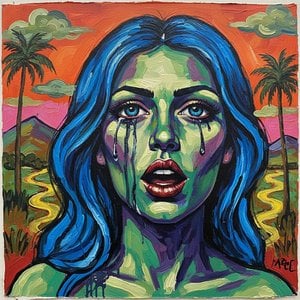
Embark on a journey through the vibrant world of Fauvism. Discover how masters like Henri Matisse revolutionized art through bold colors and raw emotion in this expert-led guide to one of modern art's most powerful movements.

 Náhled
 Sdílet
 Sdílet
 Podrobnosti o díle

 Stáhnout
 Podobné položky
 Rentgenové snímky
 Slideshow
 Zobrazit více







 Skleněná varianta je dostupná pouze u rozměrů menších než 110 cm


