


 Acrylic On CanvasWallArtFauvist Expressionism
 1950
1950 20.0 x 12.0 cm
Giclée nebo plátěný tisk muzeální kvality s rychlou výrobou a flexibilními možnostmi povrchové úpravy. ( Koupit ručně malovaný obraz Koupit obrázek)





























Vyberte si z našich přednastavených velikostí, které odpovídají původním proporcím díla.

Můžete zadat vlastní rozměry tak, aby výtvor odpovídal konkrétnímu rámu nebo prostoru. Pokud zvolená velikost nebude odpovídat poměru stran původního obrazu, dílo buď ořížeme, nebo obraz rozšíříme pomocí zrcadlového efektu či jednobarevného okraje. Před zahájením výroby vám bude zaslán digitální náhled k schválení.
Mějte prosím na paměti, že náhled na obrazovce neodráží skutečné oříznutí nebo rozšíření. Pouze digitální náhled přesně zobrazí finální kompozici.
Ačkoliv jsou k dispozici i vlastní rozměry, pro zachování původních proporcí doporučujeme vybrat si rozměr z předdefinovaného seznamu.
Celosvětové doručení () do 2 týdnů namísto standardních 4/5 týdnů. (7 září)


Creole Dancer
Rozměry reprodukce
Henri Matisse's “Creole Dancer,” completed in 1950, stands as a testament to the enduring power of Fauvist aesthetics—a movement that championed unrestrained color and simplified forms as radical departures from Impressionism. This captivating gouache painting on cut paper resides within the Musée Matisse in Nice, offering visitors an intimate glimpse into Matisse’s artistic vision during his prolific later years.
Born in 1869 in Le Cateau-Cambrésis, Henri Émile Benoît Matisse initially pursued a legal career before discovering the transformative influence of painting. Following an illness that sidelined him from law, he embraced art with fervor—a passion nurtured by his mother’s generous gift of artistic supplies. This serendipitous encounter ignited a lifelong dedication to color and form, propelling him toward a path that would redefine modern art.
Matisse's Fauvist style wasn’t merely about applying pigment; it was about rejecting academic conventions in favor of emotional expression. Artists like Matisse deliberately eschewed naturalistic representation, prioritizing vibrant hues—often jarringly juxtaposed—to convey mood and feeling directly to the viewer. “Creole Dancer” exemplifies this ethos perfectly, abandoning photographic accuracy for a bold declaration of color.
The painting’s palette is dominated by reds, blues, and yellows – colors deliberately chosen not for their descriptive qualities but for their emotive impact. Matisse skillfully layered gouache onto cut paper, creating a textured surface that enhances the vibrancy of the hues. The artist's meticulous attention to detail—particularly in capturing the delicate folds of the dancer’s dress and the luminous glow of the flowers—demonstrates his mastery of technique.
"Creole Dancer" transcends mere visual beauty; it carries symbolic weight. The dancer herself embodies grace, movement, and vitality – qualities Matisse sought to convey through reductive simplification. The flowers adorning her head symbolize femininity, joy, and perhaps even a connection to the natural world. Scattered stars contribute to an ethereal atmosphere, hinting at dreams and aspirations.
Ultimately, “Creole Dancer” succeeds in capturing a moment of serene contemplation amidst exuberant color. Matisse’s masterful use of pigment and form invites viewers into a realm where emotion triumphs over representation. It's a painting that speaks to the fundamental human desire for beauty and harmony—a timeless masterpiece that continues to inspire admiration and intrigue.


1869 - 1954 , Francie
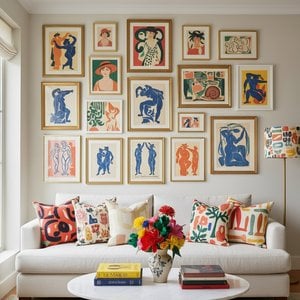
Prozkoumejte 25 ikonických děl Henri Matisse – mistra barev a fauvismu. Objevte příběhy za slavnými obrazy, techniky a inspiraci pro váš interiér. Reprodukce obrazů nejvyšší kvality na WahooArt.com.
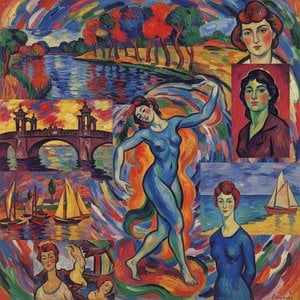
Prozkoumejte 10 ikonických děl fauvismu od Matisse, Deraina a dalších. Objevte příběhy za expresionistickými barvami a revolučním uměleckým stylem. Najděte inspiraci pro váš interiér s reprodukcemi nejvyšší kvality na WahooArt.com.
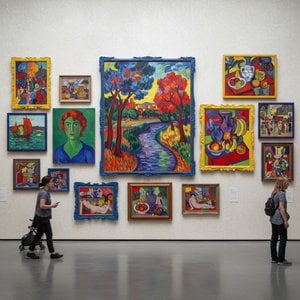
Prozkoumejte 10 ikonických děl fauvismu od Matisse, Deraina a dalších. Objevte příběhy za expresivními barvami a revolučním uměleckým stylem. Reprodukce obrazů nejvyšší kvality na WahooArt.cz – inspirace pro váš interiér!

Prozkoumejte 10 ikonických děl abstraktního expresionismu od Pollocka, Rothka a dalších. Objevte příběhy za obrazy, techniky a barevné palety tohoto revolučního uměleckého hnutí. Reprodukce obrazů s WahooArt.com – luxusní dekorace pro váš interiér. Prozkoumejte celou kolekci online!

Prozkoumejte 25 ikonických děl Wassily Kandinského – průkopníka abstraktního umění a expresionismu. Objevte příběhy za barevnými kompozicemi, Bauhaus styl a inspirujte se pro váš interiér s reprodukcemi nejvyšší kvality na WahooArt.com.

 Náhled
 Sdílet
 Sdílet
 Podrobnosti o díle

 Stáhnout
 Podobné položky
 Rentgenové snímky
 Slideshow
 Zobrazit více







 Skleněná varianta je dostupná pouze u rozměrů menších než 110 cm


