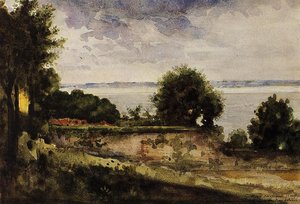
A Dream Weaver of Symbolism: The Life and Art of Gustave Moreau
Gustave Moreau, jméno synonymum s éterickou krásou a záhadnými hloubkami symbolistického malířství, se z 19. století v Paříži vynoсил jako jedinečný umělecký hlas. Narodil se roku 1826 do bohaté buržoazní rodiny – jeho otec architekt a archivář – a jeho rané dětství bylo zakořeněno intelektuální zvědavostí a estetickým citlivostem. Už v mladém věku projevoval mimořádný talent kreslení, který byl podpořen tradičním akademickým vzděláním na École des Beaux-Arts pod vedením osobností jako François-Édouard Picot. Nicméně Moreauův umělecký směr se odlišil od převládajících realistických a impresionistických proudů jeho doby. Nebyl zván k zachycování mihotavých okamžiků nebo objektivní reality; spíše toužil po odemykání skrytých říší mýtů, náboženství a lidské psychiky prostřednictvím hluboce osobního a symbolického vizuálního jazyka. Jeho cesta byla cestou vnitřního zkoumání, přetváření subjektivních emocí a duchovních touh po smyslu na plátno s obsesivní pozorností k detailu a živou, často opulentní paletu barev.
The Forge of Imagination: Influences and Artistic Development
Moreauův umělecký vývoj nebyl zrozen v prázdnotě. Zatímco odmítal dominantní trendy své doby, čerpal inspiraci ze široké škály zdrojů. Dramatické použití barev a exotické motivy nalezené ve dílech Eugena Delacroix hluboce rezonovaly s ním, zapálily mu vášeň pro vyprávěcí malířství nabité emocionální intenzitou. Vděčil si také vliv mistrů Renesance, jako byli Michelangelo a Leonardo da Vinci, obdivoval jejich mistrovství v kompozici, anatomii a psychologické hloubce. Přesto Moreau nebyl jen kopírován těmito umělci; syntetizoval jejich vlivy do něčeho zcela nového. Jeho cesty do Itálie v 50. letech 19. století se ukázaly jako klíčové, protože ho ponořily do umění antiky a Renesance, poskytly mu bohatství motivů a stylistických vod, které by obývaly jeho budoucí díla. Pečlivě kopíroval staré malby, ne jako cvičení v replikaci, ale spíše s cílem absorbovat jejich techniku a odhalit jejich tajemství. Tato oddanost řemeslu, kombinovaná s jeho rostoucím zájmem o mytologii a literaturu, položila základ pro jeho jedinečný umělecký pohled.
A World of Symbols: Themes and Techniques
Moreauovy malby nejsou jen ilustrace mýtů nebo biblických příběhů; jsou složité alegorie, které vybízejí k zamyšlení a interpretaci. Hluboce se ponořil do příběhů jako těch Salome, Orfeova, Jupiter a Semele a mnoha dalších, nikoli aby je doslova vyprávěl, ale aby prozkoumal jejich podkladové psychologické a duchovní pravdy. Jeho plátna jsou přeplněná symbolickou obrazotvorností – hadi reprezentující pokušení, drahokamy symbolizující pozemské touhy a postavy ztělesňující abstraktní koncepty jako smutek, ztrátu nebo uměleckou inspiraci. Mistrně vytvářel éterickou atmosféru prostřednictvím složitého detailu, bohatých textur a často znepokojivé juxtaposice světla a stínu. Moreauova technika se vyznačovala pečlivým vrstvením barvy, vytvářející povrchy, které zářivě září iridiscentními barvami a evokují pocit nadpřirozeného krásy. Jeho použití zlaté folie dále zvýraznilo tento efekt, dodalo jeho dílům bizantský nádech, který zdůrazňoval jejich duchovní dimenzi. Nebyl obsažen v zachycení realistických textur nebo perspektiv; spíše upřednostnil expresivní sílu barvy a tvaru k vyjádření nálady a významu.
Legacy and Influence: The Enduring Power of Symbolism
Ačkoli byl zpočátku přijat smíšeně, Moreau se stal klíčovou postavou rozvíjejícího se symbolistického hnutí během 90. let 19. století. Na rozdíl od některých svých současníků, kteří aktivně usilovali o veřejnou pozornost, zůstal trochu rešerší, raději pracoval nezávisle a vyhýbal se uměleckým debatám. Nicméně jeho vliv byl nepopiratelný. V roce 1893 přijmul profesuru na École des Beaux-Arts, kde hluboce ovlivnil generace umělců, včetně Henriho Matisse a Georgea Rouaulta. Povzbuzoval své studenty, aby přijali představivost, symbolismus a individuální vyjádření, naléhal je, aby se osvobodili od konvenčních uměleckých norem. I když Symbolismus nakonec ztratil popularitu po Moreauově smrti v roce 1898, jeho dílo zažilo významné přeznání ve druhé polovině 20. století. Dnes je široce považován za jednoho z nejvýznamnějších představitelů tohoto hnutí a předchůdce moderního umění. Musée Gustave Moreau, umístěné v jeho bývalém ateliéru a domě v Paříži, slouží jako svědectví o jeho trvalém dědictví – útočištěm, kde se návštěvníci mohou ponořit do okouzlujícího světa tohoto výjimečného umělce. Jeho malby nadále rezonují s publikem dnes, nabízejí pohledy do hlubin lidské duše a připomínají nám sílu umění překonávat hranice reality.
Notable Works
- Salome Dancing before Herod: Možná jeho nejznámější dílo, toto malířství ukazuje Moreauovu opulentní styl a fascinaci biblickými příběhy.
- Jupiter and Semele: Dramatické zobrazení řeckého mytu, které demonstruje Moreauovo mistrovské ovládání kompozice a barvy.
- Orpheus: Moreau vytvořil několik obrazů, které prozkoumávají mytologii Orfeova, odrážejí témata ztráty, smutku a umělecké inspirace.
- The Apparition: Ukazuje jeho dovednost vytvářet éterické a nadpřirozené scény.
- Desdemona: Patzně pro Shakespeareovu tragickou hrdinku.



 Zobrazit v interiéru
 Přepnout na tiskové verze
 Odeslat
 Sdílet
 Podrobnosti
 Průvodce

 Stáhnout obrázek
 Podobné kousky
 Rentgenové snímky
 Slideshow
 Statistiky
 Přečíst si více