


Giclée nebo plátěný tisk muzeální kvality s rychlou výrobou a flexibilními možnostmi povrchové úpravy. ( Koupit ručně malovaný obraz Koupit obrázek)





























Vyberte si z našich přednastavených velikostí, které odpovídají původním proporcím díla.

Můžete zadat vlastní rozměry tak, aby výtvor odpovídal konkrétnímu rámu nebo prostoru. Pokud zvolená velikost nebude odpovídat poměru stran původního obrazu, dílo buď ořížeme, nebo obraz rozšíříme pomocí zrcadlového efektu či jednobarevného okraje. Před zahájením výroby vám bude zaslán digitální náhled k schválení.
Mějte prosím na paměti, že náhled na obrazovce neodráží skutečné oříznutí nebo rozšíření. Pouze digitální náhled přesně zobrazí finální kompozici.
Ačkoliv jsou k dispozici i vlastní rozměry, pro zachování původních proporcí doporučujeme vybrat si rozměr z předdefinovaného seznamu.
Celosvětové doručení () do 2 týdnů namísto standardních 4/5 týdnů. (6 září)


Sleep
Rozměry reprodukce
Gustave Courbet’s “Sleep,” completed in 1866, stands as a cornerstone of Realism—a movement that vehemently rejected Romantic idealism and championed an unflinching portrayal of the observable world. More than just a depiction of two women resting peacefully together, this painting embodies Courbet's profound conviction that art should reflect the realities of everyday life, challenging the conventions of its era.
Painted during a period marked by social unrest and artistic experimentation, “Sleep” reflects Courbet’s engagement with contemporary debates surrounding artistic freedom and societal representation. While acknowledging influences from Romantic artists like Delacroix and Géricault—particularly in their dramatic use of light and color—Courbet decisively distanced himself from Romantic sentimentality. He sought to depict the human condition without embellishment, mirroring the spirit of the burgeoning Realist movement.
"Sleep" transcends mere visual representation; it speaks to themes of vulnerability, intimacy, and the quiet beauty of domestic life. The positioning of the women—one leaning against the other—suggests a connection rooted in mutual comfort and support. Courbet’s masterful rendering captures not just physical repose but also an emotional stillness that invites contemplation. It's a painting that reminds us to appreciate the simple pleasures of existence and to find solace in moments of quiet reflection – a testament to Courbet’s enduring legacy as one of art history’s most uncompromising voices.


1819 - 1877 , Francie
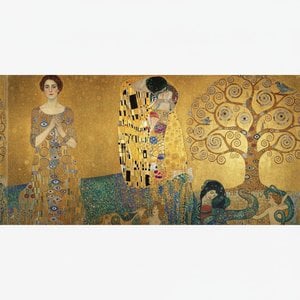
Prozkoumejte 25 ikonických děl Gustava Klimta! Objevte příběhy za Zlatou fází, Secesí a slavnými portréty. Luxusní reprodukce obrazů pro váš interiér na WahooArt.com – inspirace a umění pro váš domov.

Explore 10 defining masterpieces of Romantic Realism! Discover Courbet, Millet & Daumier's powerful paintings—capturing emotion and social realities. Find museum-quality reproductions for your home at WahooArt.com.

Explore the revolutionary art of Gustave Courbet, pioneer of Realism. Discover his iconic paintings, social commentary, and lasting impact on 19th-century French art history. Expert analysis & insights.

Objevte 10 ikonických děl realismu od mistrů jako Courbet a Manet. Prozkoumejte příběhy, techniky a emoce tohoto revolučního uměleckého směru. Reprodukce obrazů nejvyšší kvality na WahooArt.cz – inspirace pro váš interiér!

Prozkoumejte 10 ikonických děl realismu od Courbeta po Maneta. Objevte příběhy slavných malířů, techniky a hluboký význam těchto uměleckých skvostů. Najděte perfektní reprodukci obrazu pro váš interiér na WahooArt.cz

 Náhled
 Sdílet
 Sdílet
 Podrobnosti o díle

 Stáhnout
 Podobné položky
 Rentgenové snímky
 Slideshow


 Zobrazit více







 Skleněná varianta je dostupná pouze u rozměrů menších než 110 cm


