BEZPLATNÉ UMĚLECKÉ PORADENSTVÍ


x


 Objednat reprodukci Koupit digitální obrázek
 Sdílet
 Podrobnosti
 Přidat do oblíbených
 Stáhnout
 Podobné položky
 Rentgenové snímky
 Slideshow
Giclée nebo plátěný tisk muzeální kvality s rychlou výrobou a flexibilními možnostmi povrchové úpravy.





























Vyberte si z našich přednastavených velikostí, které odpovídají původním proporcím díla.

Můžete zadat vlastní rozměry tak, aby výtvor odpovídal konkrétnímu rámu nebo prostoru. Pokud zvolená velikost nebude odpovídat poměru stran původního obrazu, dílo buď ořížeme, nebo obraz rozšíříme pomocí zrcadlového efektu či jednobarevného okraje. Před zahájením výroby vám bude zaslán digitální náhled k schválení.
Mějte prosím na paměti, že náhled na obrazovce neodráží skutečné oříznutí nebo rozšíření. Pouze digitální náhled přesně zobrazí finální kompozici.
Ačkoliv jsou k dispozici i vlastní rozměry, pro zachování původních proporcí doporučujeme vybrat si rozměr z předdefinovaného seznamu.
Celosvětové doručení () do 2 týdnů namísto standardních 4/5 týdnů. (5 červenec)


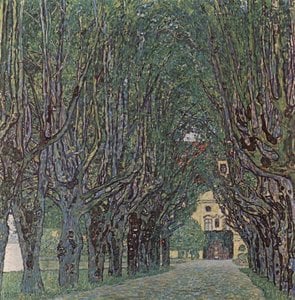
Pole maků
Rozměry reprodukce
Gustav Klimt's "Poppy Field," painted in 1907, isn’t merely a landscape; it’s an immersion into the artist’s deeply personal and symbolic world. This captivating work transcends the simple depiction of flowers, offering instead a glimpse into Klimt’s fascination with dreams, imagination, and the very essence of artistic creation. The painting immediately draws the eye with its vibrant palette – a bold interplay of fiery reds and lush greens that seem to pulse with life. Yet, beneath this initial visual impact lies a complex web of symbolism and technique, revealing Klimt's masterful control over color, texture, and composition.
Klimt’s approach here is strikingly innovative for the time. He deliberately moves away from the dense, atmospheric backgrounds favored by many of his contemporaries, opting instead for a remarkably clear and defined horizon line. This creates an immediate sense of depth, drawing the viewer into the heart of the poppy field – a space that feels both expansive and intimate. The trees, rendered with subtle gradations of green, act as anchors, grounding the scene while simultaneously receding into the distance, reinforcing this illusion of perspective.
A closer examination reveals Klimt’s masterful use of pointillist techniques – a method he adopted from French artists like Georges Seurat and Paul Signac. Rather than applying paint directly to the canvas, he employed tiny dabs of color, meticulously arranged to create an overall impression of tone and hue. This technique is particularly evident in the rendering of the poppies themselves, where individual dots of red coalesce into a vibrant, almost luminous field. It’s as if Klimt is capturing not just the appearance of the flowers, but their very essence – their fleeting beauty and intoxicating fragrance.
However, Klimt doesn't simply mimic Seurat; he imbues his pointillism with a distinctly emotional quality. The colors aren’t blended or mixed; they remain separate, creating a shimmering effect that seems to vibrate with energy. This deliberate fragmentation of color mirrors the fragmented nature of dreams and memories – themes frequently explored in Klimt’s oeuvre. The juxtaposition of red and green is particularly noteworthy, representing not just the natural world but also a symbolic tension between passion and tranquility.
Beyond its technical brilliance, “Poppy Field” is rich in symbolism. The poppies themselves are potent emblems of dreams, imagination, and creativity – concepts deeply intertwined with Klimt’s artistic practice. They represent a gateway to the subconscious, inviting the viewer to lose themselves within the painting's vibrant world.
The trees, recurring motifs throughout Klimt’s landscapes, symbolize stability, growth, and connection to the earth. Their presence provides a grounding element, anchoring the dreamlike quality of the poppy field. Furthermore, the two birds subtly incorporated into the scene represent freedom, joy, and perhaps even the fleeting nature of beauty itself. Klimt was deeply interested in exploring the relationship between art and life, and “Poppy Field” can be interpreted as a visual meditation on this very connection.
Gustav Klimt’s "Poppy Field" stands as a testament to his unique artistic vision – a synthesis of meticulous technique, evocative symbolism, and profound emotional depth. Today, through WahooArt.com and similar platforms, art lovers can experience the full splendor of this masterpiece through meticulously crafted hand-painted oil reproduction. These reproductions capture not only the painting’s vibrant colors and intricate details but also its underlying spirit and emotional resonance.
Whether you're a seasoned collector or simply seeking to infuse your space with beauty, Klimt’s “Poppy Field” offers an unparalleled opportunity to connect with one of the most influential artists of the 20th century. Explore the full range of Klimt reproductions available at WahooArt.com and discover how this timeless masterpiece can transform your surroundings.


1862 - 1918 , Rakousko

Discover the revolutionary Vienna Secession art movement! Explore Klimt, Olbrich & more. Learn about its history, characteristics & lasting influence on modern art. High-quality reproductions available.

Explore the captivating world of Gustav Klimt with WahooArt. Discover his iconic paintings, the Vienna Secession movement, & enduring legacy. High-quality reproductions available.
Prozkoumejte 25 ikonických děl Gustava Klimta! Objevte příběhy za Zlatou fází, Secesí a slavnými portréty. Luxusní reprodukce obrazů pro váš interiér na WahooArt.com – inspirace a umění pro váš domov.

Objevte 10 ikonických děl secese od Muchy, Klimta a dalších. Ponořte se do příběhů umění, technik a barev tohoto fascinujícího hnutí. Reprodukce obrazů v muzeální kvalitě na WahooArt.com! Prozkoumejte celou kolekci online.
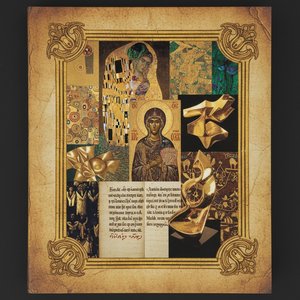
Explore the rich history of gold in art! Discover symbolism, techniques & cultural significance from ancient civilizations to Klimt's masterpieces. Expert insights for collectors at WahooArt.


Buďte na tahu s nejnovějšími novinkami ze světa umění, exkluzivními nabídkami a inspirativními nápady na dekoraci.
Sdělte nám více o svém projektu a naši odborníci na umění vám připraví 3 personalizované návrhy uměleckých děl.
Nechť pro vás vybereme 3 možnosti – zdarma!
 Sdílet


 Zobrazit více







 Skleněná varianta je dostupná pouze u rozměrů menších než 110 cm