Raný život a umělecké základy
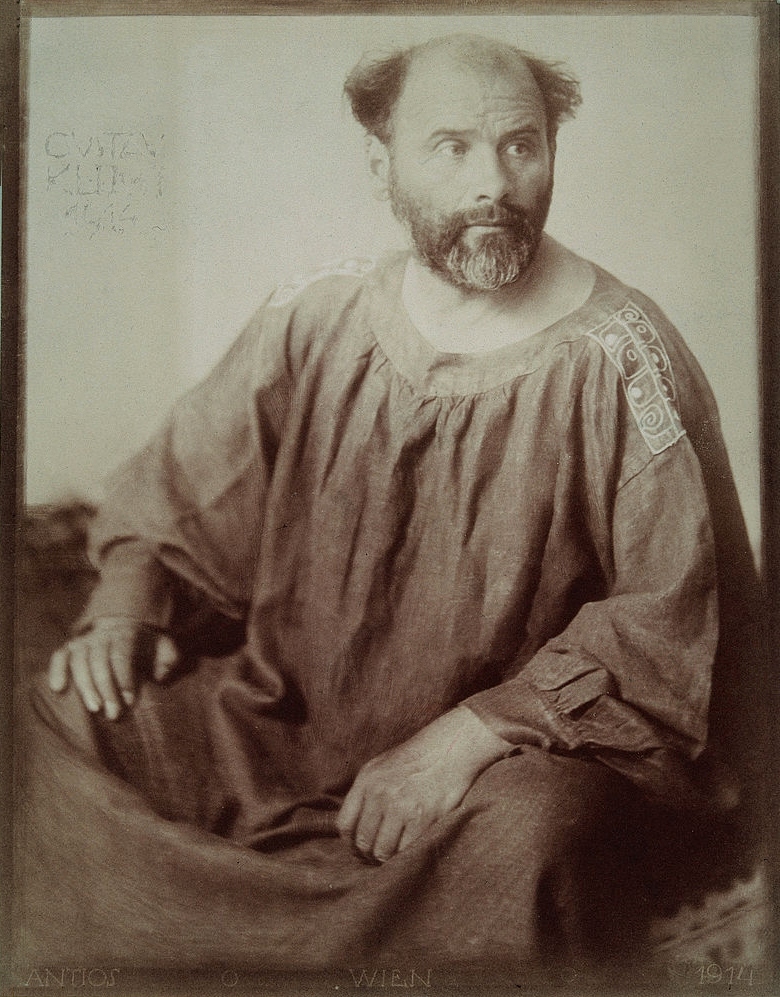
Gustav Klimt, narozený 14. července 1862 v Baumgartenu nedaleko Vídně, pocházel z rodiny s uměleckými sklony, ale i finančními problémy. Jeho otec, Ernst Klimt, byl zlatník a rytec – povolání, které nenápadně, ale hluboce ovlivnilo estetické cítění mladého Gustava. Zaujetí pro zlaté lístky, precizní detaily a celkovou okázalost se staly podvědomým základem jeho budoucí tvorby. Rodinné potíže vedly k častým stěhováním ve Vídni, což možná v Klimtovi posílilo schopnost pozorování okolního světa a citlivost k lidským emocím. Již jako dítě projevoval výjimečný talent kreslení, podporovaný otcovou profesí a vrozenými nadáními. V roce 1876 vstoupil na Vídeňskou školu uměleckých řemesel (Kunstgewerbeschule), kde se začal formálně vzdělávat v architektonické malbě pod vedením Ferdinanda Laufbergera. Získal tak solidní technický základ, ale zároveň byl vystaven převládajícím akademickým stylům – stylům, které později zpochybnil a překonal. Právě zde navázal důležité umělecké partnerství se svým bratrem Ernstem a Franzem von Matschem, spolupráce, která mu zajistila první zakázky na dekorativní malby a stropy, čímž položila základy jeho budoucího úspěchu.
Vzestup Vídeňské secese
V 90. letech 19. století byl Klimt stále více znechucen konzervativním uměleckým establishmentem ve Vídni. Toužil po větší tvůrčí svobodě, prostoru, kde by mohla vzkvétat inovace bez omezení tradice. Tato touha vyvrcholila vznikem Vídeňské secese v roce 1897 – zásadního okamžiku v rakouské historii umění. Klimt byl zvolen jejím prvním prezidentem a stal se vůdčí osobností hnutí, které usilovalo o odklon od rigidních akademických norem a přijetí nových uměleckých proudů šířících se Evropou – Art Nouveau, Symbolismu a Japonismu. Vlastní výstavní budova Secese, navržená Josephem Mariou Olbrichem, se stala symbolem tohoto vzpoury, chrámem zasvěceným modernímu umění. Klimtova tvorba byla ústředním prvkem etosu Secese, ztělesňovala odmítání konvenční estetiky a přijímání dekorativních prvků, výrazných barev a symbolické obraznosti. Jeho obrazy začaly zkoumat témata lásky, smrti a sexuality s nebývalou otevřeností, což narušovalo společenské normy a vyvolávalo obdiv i pobouření.
Zlatá fáze a umělecká zralost
Kolem roku 1900 vstoupil Klimt do období známého jako jeho „zlatá fáze“, charakterizovaného bohatým použitím zlatých lístků inspirovaných byzantskými mozaikami a středověkými iluminovanými rukopisy. Tato technika proměnila jeho obrazy v třpytivé, mimosvětské vize plné duchovní hloubky a smyslného půvabu.
Polibek (1907-1908), možná jeho nejznámější dílo, je toho příkladem – pár sevřený v objetí, zahalený zlatou aurou, jejich těla zdobená složitými vzory. V tomto období Klimt vytvořil sérii úchvatných portrétů, včetně *Portrét Adély Bloch-Bauer I* (1907), který prokázal jeho schopnost zachytit nejen fyzickou podobu, ale i psychologickou komplexitu svých modelů. Stále více stíral hranice mezi malbou a ornamentem, integruje dekorativní prvky do svých kompozic a vytváří harmonickou fúzi formy a obsahu. Vliv japonského umění – Japonismu – byl zvláště patrný v jeho zploštělé perspektivě, důrazu na linii a používání dekorativních vzorů.
Kontroverze, inspirace a trvalý odkaz
Klimtova kariéra nebyla bez kontroverzí. V roce 1900 obdržel prestižní zakázku na malbu stropních fresek do Velké síně Vídeňské univerzity, představující Filosofii, Jurisprudenci a Teologii. Tyto práce – zejména *Filosofie* – však byly konzervativními kritiky považovány za provokativní a dokonce pornografické, což vedlo k veřejnému rozhořčení a nakonec Klimta přimělo odmítnout další veřejné zakázky. Tato událost znamenala zlomový bod v jeho kariéře, který ho nasměroval k soukromým patronům a umožnil mu větší tvůrčí svobodu. Během svého života byl Klimt ovlivněn rozmanitými umělci a styly – od historických maleb Hanse Makarta po dekorativní umění Byzance a Japonska. Inspiraci čerpal i ze Symbolistického hnutí, zkoumal témata mytologie, alegorie a podvědomí. Gustav Klimt pilně maloval až do své smrti 6. února 1918 na následky mrtvice během pandemie španělské chřipky. Jeho pozdější práce zkoumaly abstraktnější formy a krajiny, což dokládá jeho neustálý umělecký vývoj. Nyní je uznáván jako jedna z nejvýznamnějších postav rakouské historie umění, přední představitel Vídeňské secese a trvalý symbol elegance Art Nouveau.
Jeho obrazy dosahují na aukcích vysokých cen a jeho vliv stále rezonuje v současném umění a designu.
Klíčové charakteristiky a umělecký styl
- Symbolismus: Klimtova tvorba je hluboce symbolická, často zkoumá témata lásky, smrti, sexuality a lidské existence.
- Art Nouveau: Byl předním představitelem Art Nouveau, charakterizovaného organickými liniemi, dekorativními vzory a důrazem na krásu.
- Zlatá fáze: Jeho použití zlatých lístků vytvořilo třpytivé, okázalé povrchy, které se staly jeho typickým stylem.
- Dekorativní prvky: Klimt integroval dekorativní prvky do svých kompozic a stíral hranice mezi malbou a ornamentem.
- Ženská postava: Ženské tělo bylo ústředním tématem jeho tvorby, často zobrazeno se smyslností a psychologickou hloubkou.



 Náhled
 Koupit ručně malovaný obraz
 Sdílet
 Sdílet
 Podrobnosti o díle

 Stáhnout
 Podobné položky
 Rentgenové snímky
 Slideshow
 Statistiky

 Zobrazit více






































 Skleněná varianta je dostupná pouze u rozměrů menších než 110 cm