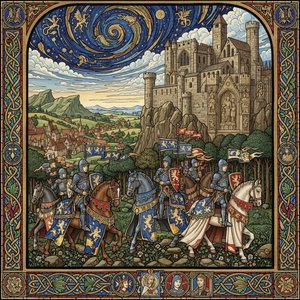
Villard de Honnecourt: Skicová kniha architekta a úsvit renesančního designu
Villard de Honnecourt, postava zahalená v fascinující tajemnosti, stojí jako jeden z nejvýznamnějších, a přesto nejzáhadnějších umělců třináctého století ve Francii. Narodil se kolem roku 1230 v Picardii – regionu proslulém svou uměleckou vitalitou v této době – a Villardovo dědictví spočívá téměř výhradně v jeho neuvěřitelné „skicové knize“, neboli
albumu, který je dnes uložen ve Francouzské národní knihovně v Paříži. Tento pečlivě vytvořený rukopis, obsahující přibližně 250 kreseb a návrhů pokrývajících dechberoucí škálu témat – od architektonických plánů a mechanických zařízení až po zobrazení lidských postav a zvířecích forem – nabízí bezprecedentní pohled do mysli skutečně inovativního umělce a inženýra. Jeho život zůstává z velké části nedokumentován, což jen prohlubuje záhradu obklopující tuto klíčovou postavu evropské dějin umění.
Tato dochovaná skicová kniha odhaluje muže hluboce ponořeného jak do starobylých znalostí, tak do tehdejších praktik. Věří se, že Villard nebyl pouhým řemeslníkem, ale disponoval sofistikovaným pochopením geometrie, proporcí a konstrukčních technik – principů zakořeněných v klasické antice, avšak mistrně přizpůsobených jeho době. Rukopis je fascinující fúzí těchto vlivů, která spojuje detailní instrukce s uměleckými vyobrazeními, což naznačuje, že šlo o praktickou příručku určenou k vedení stavitelů a řemeslníků. Rané interpretace často vnímaly Villarda jako prostého architekta, ale nedávný vědecký výzkum naznačuje mnohem nuancejší roli: zkušeného inženýra, možná dokonce agenta pověřeného získáváním relikvií pro náboženské instituce, který využíval svůj umělamak k dokumentaci a šíření poznatků. Zmínka o kresbách zachycujících Maďarsko, kde strávil „mnoho dní“, naznačuje možnou diplomatickou nebo administrativní činnost vykonávanou během jeho cest.
Samotná skicová kniha je neobvyklým artefaktem – sbírkou pergamenových listů svázaných poněkud náhodným způsobem, což možná odráží způsob, jakým ji sám Villard nebo pozdější písař sestavil. Její obsah je překvapivě rozmanitý a představuje umělce, který se stejně přirozeně pohyboval při navrhování tyčících se gotických katedrál, složitých mechanických zařízení (včetně fascinujícího návrhu vodoměru) i detailních studií lidské anatomie a zvířecích forem. Kresby prokazují bystré pozorovatelské oko a mistrovství perspektivy – dovednost, která se v následujících staletích stala stále důležitější. Zvláště zajímavý je Villardův nárok, že mnohé ze svých kreseb provedl „z živého“ (
al vif), což naznačuje uměleckou praxi neobvyklou pro danou éru a naznačuje úroveň přímého pozorování a zapojení do světa kolem něj.
Architektonické vlivy a gotický styl
Villardova práce je neoddělitelně spjata s rostoucím hnutím gotické architektury, která během 13. století transformovala Evropu. Skicová kniha obsahuje detailní kresby významných katedrál, včetně věží západní fasády katedrály v Laonu a polokružných kapliček i hlavní lodi katedrály v Reims – struktur, které ztělesňují tyčící se výšky, složitou ornamentiku a inovativní strukturní řešení charakteristická pro gotický design. Tyto kresby nejsou pouhými kopiemi; prokazují hluboké porozumění principům, které tyto velkolepé stavby tvoří – využití špičatých oblouků, žlábkových klenb, letajících pilířů a vitráží – a odrážejí Villardovu touhu tyto inovace dokumentovat a replikovat. Jeho pečlivá pozornost k detailu, zejména při zobrazení architektonických prvků, odhaluje hlubokou úctu k kráse a komplexnosti gotické architektury.
Za hranice architektury: Mechanické návrhy a umělecké techniky
Ačkoliv jsou jeho architektonické kresby bezpochyby nejslavnějším aspektem Villardovy tvorby, skicová kniha obsahuje také bohatství návrhů pro mechanická zařízení – svědectví o jeho vynalézavém duchu a inženýrských schopnostech. Patří sem plány pro vodní hodiny, kladky, páky a další geniální mechanismy, které ukazují praktické porozumění mechanice a touhu zlepšit každodenní život. Kromě toho je skicová kniha naplněna studiemi lidských a zvířecích postav, které demonstrují Villardovo mistrovství anatomie a schopnost vykreslit realistické formy. Do díla zahrnul i detailní pokyny k technikám vytváření dekorativních vzorů, mozaik a dalších uměleckých zdobností – což představovalo cenný zdroj pro řemeslníky po celé Evropě.
Historický význam a odkaz
Villard de Honnecourtovo dědictví nespočívá v grandiózních monumentech nebo oslavovaných mistrovských dílech, ale spíše v jeho neuvěřitelné skicové knize – unikátním dokumentu, který nabízí bezprecedentní vhled do intelektuálního a uměleckého světa 13. století ve Francii. Představuje klíčovou postavu, která překlenula propast mezi středověřím řemeslné výroby a renesanční inovací. Jeho pečlivá dokumentace architektonických technik, mechanických návrhů a uměleckých postupů sloužila jako cenný zdroj pro generace řemeslníků a inženýrů. Samotná skicová kniha je považována za jeden z nejdůležitějších dochovaných příkladů rané ilustrace rukopisů, který demonstruje úroveň technických dovedností a umělecké sofistikovanosti, která se v tehdejší tvorbě jen zřídka objevovala. Vliv Villarda lze dohledat u pozdějších umělců a architektů, kteří čerpali inspiraci z jeho návrhů a technik, čímž přispěli k dalšímu rozvoji gotické architektury a šíření renesančních idejí po celé Evropě. Jeho dílo slouží jako připomínka, že inovace často nevznikají z velkolejších prohlášení nebo revolučních teorií, ale z tiché oddanosti zručných řemeslníků, kteří pečlivě dokumentují své řemeslo.
Další zdroje



 Zobrazit v interiéru
 Přepnout na tiskové verze
 Odeslat
 Sdílet
 Podrobnosti
 Průvodce

 Stáhnout obrázek
 Podobné kousky
 Rentgenové snímky
 Slideshow
 Statistiky


 Přečíst si více






































 Skleněná varianta je dostupná pouze u rozměrů menších než 110 cm