Náhled v interiéru Náhled v AR Přepnout na tisk Přepnout na digitální obraz Sdílet
Podrobnosti o díle Průvodce Přidat do oblíbených Stáhnout Podobné položky Rentgenové snímky Slideshow Q&A Statistiky

Útěk Judášova Hand-painted oil painting reproduction

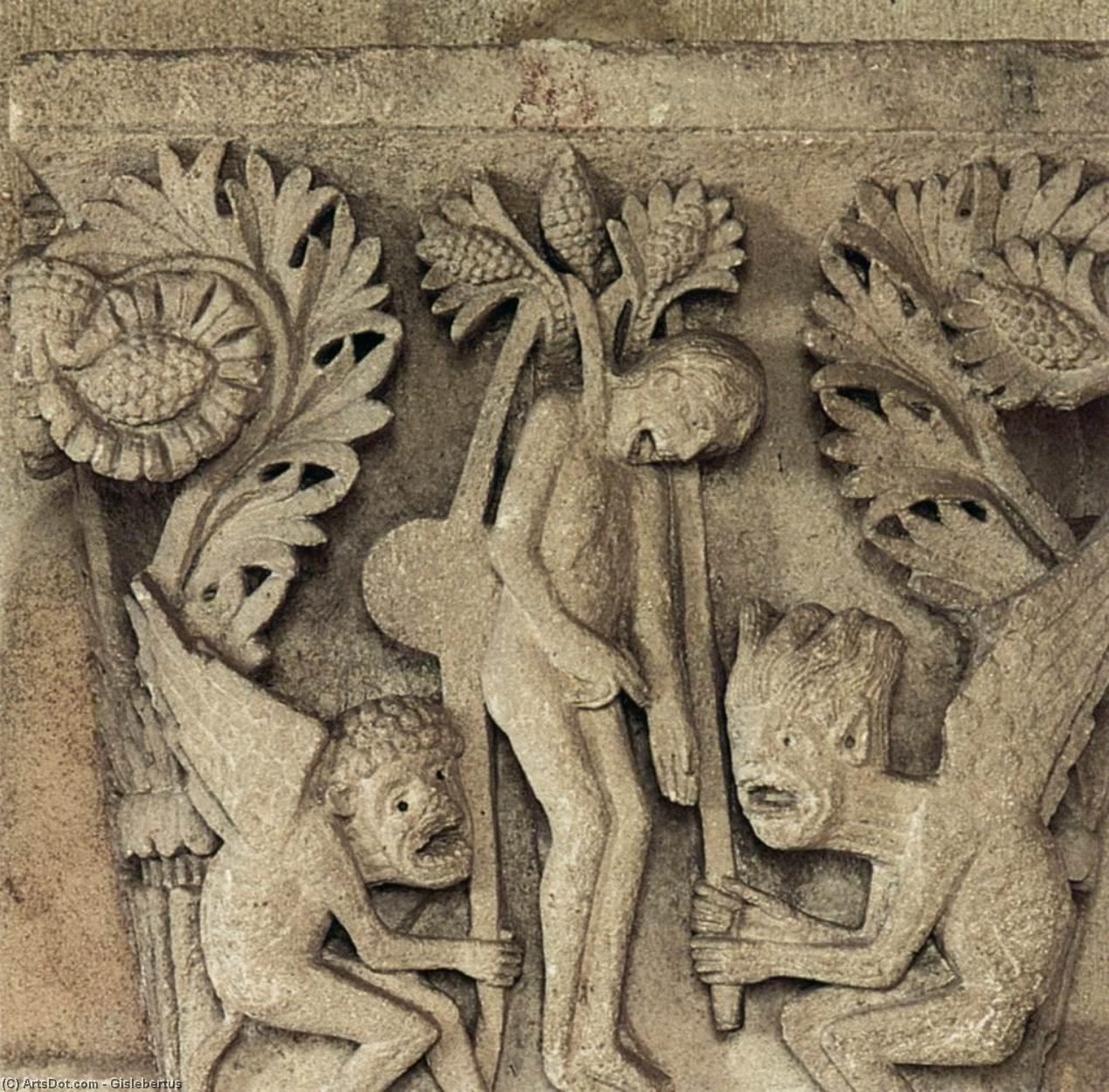
Výrazná románská socha Gislebertuse zobrazující samotování Judáše na stromě – ikonický obraz z biblického příběhu o zradě Krista a působivé vyjádření lidské bolesti.

Discover Gislebertus: French Romanesque sculptor of Autun Cathedral's stunning tympanums & Eve sculpture. Explore his biblical themes & influence on Gothic art.

Ručně malovaná olejová reprodukce

Rukou malované olejné plátno v libovolném rozměru i s rámem, vyrobené našimi umělci na zakázku. ( Přepnout na tisk Přepnout na digitální obraz)

Corner sample of the P118B picture frame: tvarovaný polystyren, 5 cm wide and 3 cm thick
P118B Kč10
Corner sample of the P118H picture frame: tvarovaný polystyren, 5 cm wide and 3 cm thick
P118H Kč10
Corner sample of the P118W picture frame: tvarovaný polystyren, 5 cm wide and 3 cm thick
P118W Kč10
Corner sample of the P438Z picture frame: tvarovaný polystyren, 5.5 cm wide and 3.5 cm thick
P438Z Kč10
Corner sample of the P508JH picture frame: tvarovaný polystyren, 7 cm wide and 3.5 cm thick
P508JH Kč12
Corner sample of the P508YH picture frame: tvarovaný polystyren, 7 cm wide and 3.5 cm thick
P508YH Kč12
Corner sample of the P805H picture frame: tvarovaný polystyren, 5 cm wide and 3.5 cm thick
P805H Kč10
Corner sample of the P805Z picture frame: tvarovaný polystyren, 5 cm wide and 3.5 cm thick
P805Z Kč10
Corner sample of the P919BZ picture frame: tvarovaný polystyren, 7 cm wide and 3.5 cm thick
P919BZ Kč10
Corner sample of the P919G picture frame: tvarovaný polystyren, 7 cm wide and 3.5 cm thick
P919G Kč10
Corner sample of the P919XJ picture frame: tvarovaný polystyren, 7 cm wide and 3.5 cm thick
P919XJ Kč10
Corner sample of the P959ZH picture frame: tvarovaný polystyren, 5 cm wide and 3 cm thick
P959ZH Kč10
Corner sample of the P968JZ picture frame: tvarovaný polystyren, 6 cm wide and 4 cm thick
P968JZ Kč12
Corner sample of the W106C picture frame: masivní dřevo, 5 cm wide and 3 cm thick
W106C Kč8
Corner sample of the W218G picture frame: masivní dřevo, 5 cm wide and 3 cm thick
W218G Kč10
Corner sample of the W218JH picture frame: masivní dřevo, 5 cm wide and 3 cm thick
W218JH Kč8
Corner sample of the W218Y picture frame: masivní dřevo, 5 cm wide and 3 cm thick
W218Y Kč10
Corner sample of the W307PJ picture frame: masivní dřevo, 6 cm wide and 3 cm thick
W307PJ Kč10
Corner sample of the W316G picture frame: masivní dřevo, 6 cm wide and 3 cm thick
W316G Kč10
Corner sample of the W316PJ picture frame: masivní dřevo, 6 cm wide and 3 cm thick
W316PJ Kč8
Corner sample of the W316Y picture frame: masivní dřevo, 6 cm wide and 3 cm thick
W316Y Kč10
Corner sample of the W398PJ picture frame: masivní dřevo, 5 cm wide and 3 cm thick
W398PJ Kč8
Corner sample of the W4111J picture frame: masivní dřevo, 6.5 cm wide and 3.5 cm thick
W4111J Kč10
Corner sample of the W500HY picture frame: masivní dřevo, 7 cm wide and 5 cm thick
W500HY Kč15
Corner sample of the W500JH picture frame: masivní dřevo, 7 cm wide and 5 cm thick
W500JH Kč15
Corner sample of the W692G picture frame: masivní dřevo, 8 cm wide and 4 cm thick
W692G Kč12
Corner sample of the W849H picture frame: masivní dřevo, 5 cm wide and 3 cm thick
W849H Kč8
Corner sample of the W940BG picture frame: masivní dřevo, 7.5 cm wide and 4.5 cm thick
W940BG Kč15
Corner sample of the W953PJ picture frame: masivní dřevo, 6 cm wide and 3.5 cm thick
W953PJ Kč8

Standardní velikost
na zakázku
CM
INCH

Vyberte si z našich přednastavených velikostí, které odpovídají původním proporcím díla.

šířka
výška

Zadejte šířku a výšku, které potřebujete pro váš rám nebo stěnu. Protože se jedná o ruční malbu, při výběru jiného formátu může umělec kolem obrazu domalovat o něco více, nebo jej mírně oříznout — rozhodnete si vy. Před zahájením malby vám zašleme digitální náhled ke schválení. Obraz zobrazený na této stránce neodpovídá skutečnému výsledku — pouze digitální náhled jej zobrazuje.

Příklady možných změn: nahrazení obličeje fotografií zákazníka; přidání domácího mazlíčka (např. nahrazení kočky psem); vložení skrytého vzkazu do pozadí; změna krajiny nebo prvků v pozadí.
Po přijetí objednávky vám tým WahooArt.com zašle e-mail s pokyny a poskytne náhledovou verzi.

Celosvětová doprava () za 3–4 týdny namísto standardních 5 týdnů. (31 říjen). Bez kompromisů v kvalitě.

Zdarma celosvětová expresní doprava
Vysoce kvalitní lněné plátno
Kompletní pojištění přepravy
Záruka vrácení celního poplatku
Záruka věrného barevného souladu
100dení lhůta pro vrácení zboží (pouze při vadách výroby)
100% záruka vrácení peněz
Sleva při více objednávkách

Celková cena

Kč 5908

Útěk Judášova

Technika reprodukce

Rozměry reprodukce

-

Celková cena za vybrané možnosti reprodukcí

Kč 5908

Rychlé informace

  • Subject or theme: Betrayal of Christ
  • Movement: Romanesque
  • Year: 1120s
  • Artist: Gislebertus
  • Artistic style: Didactic storytelling

Gislebertus: The Sculptor of Autun Cathedral’s Divine Vision

Gislebertus, a name resonating with stone and imbued with centuries of artistic legacy, stands as one of the most remarkable figures within Romanesque sculpture – specifically celebrated for his monumental contribution to Saint Lazare Cathedral in Autun, France. Born around 1120, Gislebertus emerged from Burgundy’s vibrant artistic milieu during a period profoundly shaped by unwavering religious devotion and ambitious architectural aspirations. Biographical details remain elusive, yet scholarly consensus points to Cluny Abbey as the crucible of his formative training; this immersive experience instilled in him an unparalleled understanding of biblical narratives and translated into sculptural works characterized by profound didactic intent – conveying sacred stories with breathtaking visual clarity.

A Masterpiece Born from Faith: The Cathedral Portal Tympanum

The centerpiece of Gislebertus’s oeuvre is undoubtedly the tympanum adorning Saint Lazare’s main portal, depicting “The Suicide of Judas.” Completed sometime between 1120 and 1135, this sculpture transcends mere representation; it embodies a visceral reaction to one of Christianity's most poignant episodes. The scene captures Judas hanging from a tree – a dramatic tableau rendered with meticulous detail and imbued with palpable emotion. Surrounding him are figures embodying both human suffering and divine judgment, meticulously sculpted in limestone. Two demonic entities flank Judas, actively assisting his fatal act, symbolizing the seductive influence of evil that led to Christ’s betrayal. Yet, amidst this depiction of despair, a triangular composition establishes a harmonious balance—a deliberate gesture reflecting humanity's anguish confronted by God’s inescapable justice.

Technique and Style: Romanesque Sculpture at Its Finest

Gislebertus’s sculptural style exemplifies the hallmarks of Romanesque art – characterized by powerful forms, stylized drapery, and an emphasis on conveying spiritual meaning rather than naturalistic realism. The limestone used for the tympanum was painstakingly carved with exceptional precision, utilizing techniques honed during his Cluny Abbey apprenticeship. Notice the deliberate flattening of drapery folds—a stylistic convention designed to maximize visual impact and prioritize symbolic representation over anatomical accuracy. The sculptor’s mastery is evident in the expressive faces of the figures, conveying anguish and terror – emotions deliberately heightened to elicit contemplation and provoke spiritual reflection.

Historical Context: Cluny Abbey and the Rise of Gothic

Gislebertus's work represents a pivotal moment in European art history—a bridge between Byzantine grandeur and the burgeoning stylistic innovations of the Gothic era. Saint Lazare Cathedral, conceived during the reign of Hugh Capet, embodies this transitional period, reflecting both Romanesque solidity and nascent Gothic aspiration for height and luminosity. Gislebertus’s sculpture served as a powerful visual sermon to pilgrims arriving at the cathedral, reinforcing Christian dogma and inspiring awe—a testament to the enduring power of art to communicate spiritual truths across time. The original capitals were removed and are on display in the Musée Rolin near to the Cathedral.

Symbolism: Darkness Versus Light – A Reflection of Divine Justice

The composition’s triangular structure is laden with symbolic significance, mirroring the Christian understanding of God's justice—a force confronting human wickedness. The demonic figures represent temptation and evil, actively aiding Judas in his transgression against Christ. Simultaneously, the anguished expressions of the figures convey humanity’s vulnerability before divine wrath – prompting viewers to contemplate their own moral responsibility. Gislebertus’s masterful portrayal encapsulates the spiritual essence of the biblical narrative—a timeless reminder of faith, repentance, and redemption.
  • Artist: Gislebertus
  • Date: 1120-1135
  • Medium: Limestone
  • Location: Saint Lazare Cathedral, Autun

Otázky a odpovědi

V jakém formátu je dílo „Útěk Judášova"?

Formát díla „Útěk Judášova“ je Čtverec. Tato informace vám pomůže při plánování umístění reprodukce.

Jak mohu získat digitální kopii díla „Útěk Judášova“ od Gislebertus?

Digitální obraz díla „Útěk Judášova“ od Gislebertus si můžete zakoupit na jeho stránce pro digitální objednávky Digitální snímek: stažení digitálního obrazu ve vysokém rozlišení.

Jakou převládající barvu má dílo „Útěk Judášova“ od Gislebertus?

Dominantní barvou díla „Útěk Judášova“ od Gislebertus je Růžově hnědá (#b7a788).


Biografie umělce

Gislebertus: The Sculptor of Autun Cathedral’s Divine Vision

Gislebertus, a name etched in stone and whispered through the centuries, stands as one of the most remarkable figures of Romanesque sculpture. Specifically celebrated for his profound contribution to Saint Lazare Cathedral in Autym, France, he emerged from the fertile artistic landscape of Burgundy during a period profoundly shaped by religious fervor and burgeoning architectural ambition. Born sometime around 1120, Gislebertus lived through an era where art served as the primary language of the faithful. While biographical details remain scarce, scholars believe he was trained at Cluny Abbey, arguably the epicenter of European monastic art and intellectual life at the time. This formative experience instilled in him a deep understanding of biblical narratives and imbued his work with an unwavering devotion to Christian themes.

His initial role at Cluny involved assisting the master sculptor, cementing his position within a tradition prioritizing didactic storytelling—conveying moral lessons through visual representation. The cathedral’s ambitious project demanded exceptional skill, and Gislebertus quickly established himself as a pivotal talent. Recognizing the importance of providing solace to pilgrims afflicted with leprosy—a prevalent ailment during the 12th century—the Abbey envisioned Saint Lazare as more than just a place of worship; it was intended as a sanctuary for the marginalized. This vision profoundly impacted Gislebertus’ artistic sensibilities, prompting him to create reliefs that resonated with compassion and hope, featuring imagery designed to uplift those facing immense suffering.

Mastery of Emotion and Narrative Relief

The true genius of Gislebertus lies in his ability to translate complex theological concepts into visceral, physical forms. His work at Autun is characterized by a dramatic use of line and shadow that breathes life into the cold stone. In masterpieces such as the Suicide of Judas, created around 1120-30, he captures the raw horror and despair associated with treason. Through the depiction of hanging figures and menacing demonic entities, Gisleberus showcases an exceptional skill in capturing human psychological torment, a hallmark of the Romanesque style that pushes the boundaries of medieval expression.

Beyond the scenes of tragedy, his work also celebrates the spiritual journey of the faithful. In his Pilgrims relief, one can observe a powerful depiction of devotion, where strong lines and dramatic shadows emphasize the physical and spiritual weight of the pilgrimage. This ability to oscillate between the terrifying aspects of divine judgment and the quiet strength of religious perseverance makes his oeuvre uniquely captivating. His sculptures do not merely decorate a building; they act as a window into the medieval soul, inviting the viewer to contemplate the eternal struggle between good and evil.

Legacy and Historical Significance

The artistic development of Gislebertus represents a crucial bridge in the evolution of European art. While his roots are firmly planted in the Romanesque tradition of Cluny, his expressive power and narrative complexity hint at the burgeoning naturalism that would later define Gothic art. His work on the Dream of the Magi further demonstrates this sophisticated approach to storytelling, blending historical reverence with a sense of wonder.

The enduring significance of Gislebertus can be summarized through several key contributions:

  • Narrative Innovation: He transformed architectural elements like tympanums into complex, readable storybooks for the illiterate masses.
  • Emotional Depth: He moved beyond static iconography to introduce psychological depth and human emotion into stone sculpture.
  • Cluniac Influence: He carried the high intellectual and spiritual standards of Cluny Abbey into the public sphere of cathedral architecture.
  • Architectural Integration: His ability to harmonize intricate sculptural detail with the massive, heavy forms of Romanesque architecture remains a pinnacle of medieval craftsmanship.

Today, the works of Gislebertus remain some of the most studied and revered examples of 12th-century art. He remains a master whose hands, though long since returned to dust, continue to speak through the enduring stone of Autun, reminding us of a time when art was the ultimate vessel for the divine.

Gislebertus

Gislebertus

1120 - 1135 , France

Rychlé informace o umělci

  • Full Name: Gislebertus
  • Nationality: French
  • Date Of Birth: 1120
  • Date Of Death: 1135
  • Place Of Birth: France
  • Notable Artworks:
    • Pilgrims
    • Last Judgment (detail)
    • Dream of the Magi
  • Artistic Movement Or Style: Romanesque Sculpture
  • Artists Who Influenced This Artist: ['Cluny School']
  • Artists Or Movements Influenced By This Artist: ['Gothic Style']
Prozkoumejte umělecká díla uspořádaná podle témat, stylů a charakteristik.